
 Edited by Samuel Mountjoy
How to Pay a Credit Card Bill
Edited by Samuel Mountjoy
Quick Answer
You can pay a credit card bill online, by phone, by mail or in person (if the issuer allows it). Paying online through an issuer’s app or secure portal is likely the fastest, safest and most convenient option.

You can pay a credit card bill online, by phone, by mail or, in some cases, in person. Paying online is the best option for most people because it's fast, secure and gives you the opportunity to set up automatic payments. Automating credit card payments can help ensure you pay every credit card bill on time, which is one of the top contributors to a good credit score.
Here's how to pay a credit card bill.
Online Payments
Through their apps or online portals, credit card issuers offer autopay, which automatically debits your bank account to make a bill payment. You can set up recurring monthly payments for your credit card's minimum payment, statement balance or a custom amount every month. You can make one-time payments online, without setting up autopay. But automatic transfers are a more foolproof way to avoid missed payments.
Pros
-
Less likely to miss a payment: If you choose an automatic payment option, your bill will be paid on time as long as there's cash in the appropriate account. This is a crucial way to build and maintain a good credit, since payment history is the biggest single factor in your credit score.
-
Multiple setup options: You can sign up for autopay through the credit card issuer or through your bank or credit union by using their online bill pay feature.
-
Speed: Online payments post faster than mailed payments, and may also be faster than phone payments since they require only a few quick steps in an app or online portal. Speed is key when you want to avoid late payments and their associated fees.
-
Convenience: By paying online, you save on postage and you can avoid writing checks or calling your creditor. You can also make payments on the go or while you're traveling, as long as you have internet access.
Cons
-
Potential overdrafts: If you don't have enough cash in your connected bank account when an automatic payment goes through, it could cause an overdraft. Depending on your bank, that could lead to fees of $15 to $37 per transaction—and you may incur multiple fees in one day if you try to make several purchases or pay more bills while the account is empty.
-
Additional fees if your bank account is overdrawn: In addition to overdraft fees, you may also have to pay nonsufficient funds fees to the bank or returned payment fees to the credit card issuer if your bank account didn't have enough funds to cover the credit card bill.
-
Must be updated if your budget changes: Let's say you've scheduled an automatic payment of your full statement balance each month, and during a month when your budget is tight you'd like to pay just $100 instead. You'll need to proactively make that change in your account beforehand.
Best credit cards of 2026
Compare cards from our partners with intro bonuses, cash back or points offers, and annual fees as low as $0.
Offers from our partners
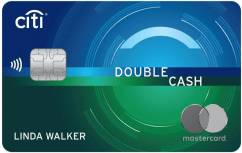
Citi Double Cash® Card
Intro APR:0% for 18 months on Balance Transfers
Ongoing APR:17.49% - 27.49% (Variable)
Rewards:2% (cash back)
Annual Fee:$0
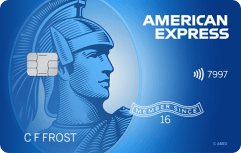
Blue Cash Everyday® Card from American Express
Intro bonus:As High As $200 Cash Back. Find Out Your Offer.
Intro APR:0% on Purchases and Balance Transfers for 15 months
Ongoing APR:19.49%-28.49% Variable
Rewards:1% - 3% (cash back)
Annual Fee:$0
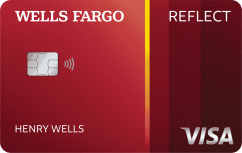
Wells Fargo Reflect® Card
Intro APR:0% intro APR for 21 months from account opening on purchases and qualifying balance transfers
Ongoing APR:17.49%, 23.99%, or 28.24% Variable APR
Rewards:N/A*
Annual Fee:$0
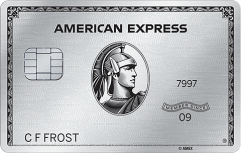
American Express Platinum Card®
Intro bonus:As high as 175,000 points. Find out your offer.
Ongoing APR:See Pay Over Time APR
Rewards:1x - 5x (Points per dollar)
Annual Fee:$895
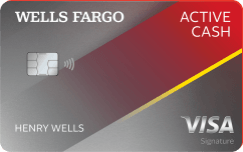
Wells Fargo Active Cash® Card
Intro bonus:$200
Intro APR:0% intro APR for 12 months from account opening on purchases and qualifying balance transfers
Ongoing APR:18.49%, 24.49%, or 28.49% Variable APR
Rewards:2% (Cash Rewards)
Annual Fee:$0
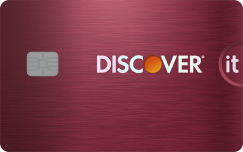
Discover it® Cash Back
Intro bonus:Cashback Match™
Intro APR:0% intro APR for 15 months on Purchases and Balance Transfers
Ongoing APR:17.49% - 26.49% Variable APR
Rewards:1% - 5% (cash back)
Annual Fee:$0
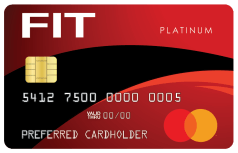
FIT™ Platinum Mastercard® - $400 Credit Limit
Ongoing APR:35.90% Fixed
Rewards:N/A*
Annual Fee:$99 first year; $125 thereafter
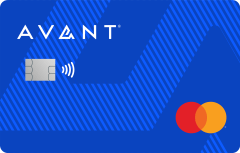
Avant® Cashback Rewards Mastercard®
Ongoing APR:29.99%*
Rewards:2% (cash back)
Annual Fee:$0*

The opensky® Secured Visa® Credit Card
Ongoing APR:23.89% Variable
Rewards:10% (cash back)
Annual Fee:$35
Credit One Bank American Express® Card for Rebuilding Credit
Ongoing APR:29.74% Variable
Rewards:1% (cash back)
Annual Fee:$75 First year. $99 thereafter, billed monthly at $8.25
Blue Cash Preferred® Card from American Express
Intro bonus:As High As $300 Cash Back. Find Out Your Offer.
Intro APR:0% on Purchases and Balance Transfers for 12 months
Ongoing APR:19.49%-28.49% Variable
Rewards:1% - 6% (cash back)
Annual Fee:$0 intro annual fee for the first year, then $95.
American Airlines AAdvantage® MileUp® Card
Intro APR:0% for 15 months on Balance Transfers
Ongoing APR:19.49% - 29.49% (Variable)
Rewards:2x (Miles per dollar)
Annual Fee:$0
Costco Anywhere Visa® Card by Citi
Ongoing APR:18.74% - 26.74% (Variable)
Rewards:1% - 5% (cash back)
Annual Fee:$0
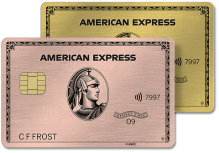
American Express® Gold Card
Intro bonus:As high as 100,000 points. Find out your offer.
Ongoing APR:See Pay Over Time APR
Rewards:1x - 4x (Points per dollar)
Annual Fee:$325
Avant® Cashback Rewards Mastercard®
Ongoing APR:35.99%*
Rewards:1% (cash back)
Annual Fee:$75*
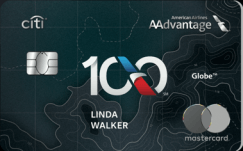
Citi® / AAdvantage® Globe™ Mastercard®
Ongoing APR:19.49% - 29.49% (Variable)
Rewards:1x - 6x (Miles per dollar)
Annual Fee:$350
Avant® Cashback Rewards Mastercard®
Ongoing APR:35.99%*
Rewards:1% (cash back)
Annual Fee:$39*
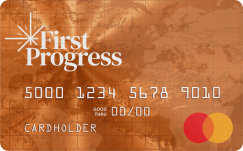
First Progress Select Secured Mastercard® Cash Back Rewards
Ongoing APR:17.49% Variable
Rewards:1% - 10% (cash back)
Annual Fee:$39
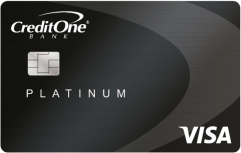
Credit One Bank® Platinum Visa®
Ongoing APR:29.74% Variable
Rewards:1% (cash back)
Annual Fee:$39

Credit One Bank® Wander® American Express® with Dining, Gas & Travel Rewards
Ongoing APR:29.74% Variable
Rewards:1% - 10% (cash back)
Annual Fee:$95
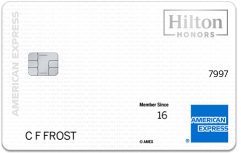
Hilton Honors American Express Card
Intro bonus:70,000 Points
Ongoing APR:19.49%-28.49% Variable
Rewards:3x - 7x (Points per dollar)
Annual Fee:$0
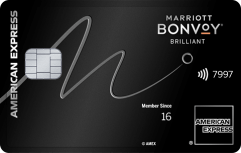
Marriott Bonvoy Brilliant® American Express® Card
Intro bonus:200,000 Points
Ongoing APR:19.49%-28.49% Variable
Rewards:2x - 6x (Points per dollar)
Annual Fee:$650

Discover it® Miles
Intro bonus:Discover Match®
Intro APR:0% intro APR for 15 months on Purchases and Balance Transfers
Ongoing APR:17.49% - 26.49% Variable APR
Rewards:1.5x (Miles per dollar)
Annual Fee:$0
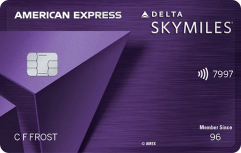
Delta SkyMiles® Reserve American Express Card
Intro bonus:As High As 100,000 Bonus Miles. Find Out Your Offer.
Ongoing APR:19.49%-28.49% Variable
Rewards:1x - 3x (Miles per dollar)
Annual Fee:$650
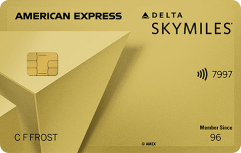
Delta SkyMiles® Gold American Express Card
Intro bonus:As High As 80,000 Bonus Miles. Find Out Your Offer.
Ongoing APR:19.49%-28.49% Variable
Rewards:1x - 2x (Miles per dollar)
Annual Fee:$0 introductory annual fee for the first year, then $150.
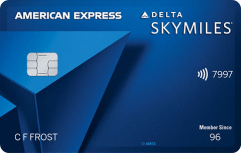
Delta SkyMiles® Blue American Express Card
Intro bonus:10,000 Miles
Ongoing APR:19.49%-28.49% Variable
Rewards:1x - 2x (Miles per dollar)
Annual Fee:$0
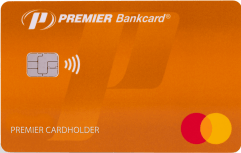
PREMIER Bankcard® Mastercard® Credit Card
Ongoing APR:See Rates & Fees
Rewards:N/A*
Annual Fee:See Rates & Fees
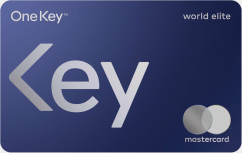
One Key™ Card
Intro bonus:$300
Ongoing APR:18.49%, 23.49%, or 28.49% Variable APR
Rewards:1.5x - 3x (Points per dollar)
Annual Fee:$0
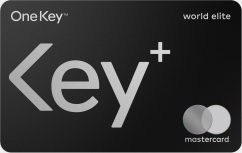
One Key+™ Card
Intro bonus:$350
Ongoing APR:18.49%, 23.49%, or 28.49% Variable APR
Rewards:2x - 3x (Points per dollar)
Annual Fee:$99
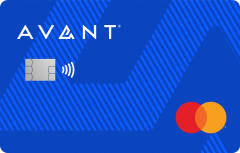
Avant® Cashback Rewards Mastercard®
Ongoing APR:35.99%*
Rewards:1% (cash back)
Annual Fee:$0*
See all our best credit cards for 2026.
Paying by Phone
You can pay your bill by phone by calling the customer service number on the back of your credit card. You'll also likely be able to check your current balance and statement balance—or the amount due this billing cycle—by phone.
Pros
-
No internet access required: If you can't get to or would rather not use a computer or smartphone, paying by phone doesn't require any technology or knowledge of your credit card issuer's address. All you need is your credit card company's customer service number, found on the back of your card, and your bank details.
-
Faster than paying by mail: Paying by phone requires a few extra steps compared to paying online or via your credit card company's app. But it's faster than paying by mail, since you'll need to leave lots of time for a mailed payment to reach the issuer before the due date.
Cons
-
Less safe than paying online: Depending on your credit card company's customer service setup, you may have to read aloud personal details to a representative to pay a bill. That makes it possible for others to hear and collect your details, putting you at risk of identity theft.
-
Higher likelihood of missing a payment: It can be tough to remember when your credit card bill is due. Paying by phone requires you to keep close track of your due dates, especially if you have multiple cards, and take the time to pay each bill.
Paying by Mail
It's possible to pay a creditor by waiting until the credit card company sends you a statement and mailing in a check or money order with the included form. According to the Consumer Financial Protection Bureau, your bill must be paid by 5 p.m. in the time zone on your credit card statement on the due date. If your due date falls on a weekend or holiday, your payment is due the next day. If you pay by mail, pay early to leave time for possible delays in delivery or processing.
Pros
-
No tech required: Since the advent of more technologically advanced payment methods, it's hard to recommend paying by mail. But it may be more straightforward and less overwhelming if you're not tech savvy, as all it requires is waiting for a bill to arrive and sending in a check or money order.
Cons
-
Delays could make your payment late: When paying by mail, the credit card company will determine whether your payment is late by looking at its arrival date, not the date it was postmarked. If there are mail delays or errors, such as an incorrect address, you could end up with a late payment and a negative mark on your credit score.
-
Potential for fraud or theft: Mailing a check opens you up to check fraud, such as check washing or theft, and identity theft, since checks include personal information. The U.S. Postal Service recommends sending sensitive mail directly from a post office or your workplace, or giving it to a mail carrier, for better security.
Paying in Person
You may be able to pay your bill in person if you have a store credit card or if you go to a branch of the bank that issued your card.
Pros
-
Highly secure: Paying in person eliminates the risk that a mailed check could get stolen or delayed, and it may even be more secure than paying online if you only have access to a public Wi-Fi network.
-
Convenient for frequent visitors: If you can pay at a bank or store where you go often, you can make payments regularly without having to go out of your way to do so by other means.
Cons
-
No automatic payment option: It bears repeating that automatic payments are an important way to stay on top of your bills and protect your credit score. You may be more likely to miss payments if having to do so in person becomes an inconvenience.
-
Not widely available: Not all credit card issuers have physical locations where you can make in-person payments. That means paying online, by phone or by mail may be your only options.
Frequently Asked Questions
The Bottom Line
While you can pay a credit card bill in lots of ways, the best option for you is the one that will most likely lead to on-time payments every time. Use autopay, calendar reminders or alerts to remind you when the due date is approaching.
No matter how you pay your credit cards, it's smart to choose cards that fit your lifestyle, goals and credit profile best. Experian's card comparison tool is a free service that can help you find cards that align with your goals and credit score range.
Don’t apply blindly
Apply for credit cards confidently with personalized offers based on your credit profile. Get started with your FICO® Score for free.
See your offers
About the author

Brianna McGurran
Brianna McGurran is a freelance journalist and writing teacher based in Brooklyn, New York. Most recently, she was a staff writer and spokesperson at the personal finance website NerdWallet, where she wrote "Ask Brianna," a financial advice column syndicated by the Associated Press.
Read more from Brianna