
 Reviewed by Karen Axelton
Fixed APR vs. Variable APR: What’s the Difference?
Reviewed by Karen Axelton
Quick Answer
- A fixed APR on a loan or credit card generally stays the same, protecting against rising interest rates.
- A variable APR can increase or decrease based on market rates, possibly making payments less predictable.
- Which is best for you depends on your budget, risk tolerance and other factors.

When you take out a loan or apply for a credit card, your lender will determine the annual percentage rate (APR) you'll pay. You may be offered a fixed rate or variable rate, or you may be able to choose between the two. A fixed-rate APR offers some advantages over a variable-rate APR, as well as a few disadvantages. Learning the differences can help you understand your interest charges and, in some cases, choose the option that's best for you.
What Is a Fixed APR?
APR, expressed as a percentage, is the rate you pay to borrow money. On a loan, the APR typically includes your interest rate and any fees or additional costs associated with taking out the loan. With a credit card, your interest rate and APR are the same.
A fixed APR is determined at the time of loan approval and typically doesn't change over the life of a loan. All federal student loans and fixed-rate mortgages have fixed APRs, as do many auto loans and personal loans. Some credit cards offer fixed rates, but to find a fixed-rate credit card, you'll probably have to look for an alternative to a major credit card issuer, such as a credit union.
Fixed rates on credit cards could change, but they must remain fixed for at least a year. If at some time a card's rate does change, the issuer or lender must provide 45 days' notice before the change occurs. In that case, the higher rate will likely only be applied to purchases or transactions made after the change.
Pros and Cons of Fixed APRs
Fixed APRs come with both advantages and disadvantages.
Pros
- A fixed APR protects you from rising interest rates because it will stay the same even if market rates climb.
- You know exactly what your monthly payment will be, including all fees and other charges, for the life of the loan. (A credit card's fixed rate could change, but you must be given notice first.)
Cons
- You won't benefit if market rates decrease since the APR is fixed.
- Loans are generally less flexible under the terms of a fixed-rate agreement.
- You may pay more in interest over the life of the loan if market rates decrease over your loan term.
What Is a Variable APR?
Variable APRs change with indexed interest rates, such as the prime rate. If rates increase, so will your APR. Variable APRs may start out lower than on a fixed-rate loan, but can end up higher over time depending on market rates. You may find variable APRs on private student loans, home equity lines of credit (HELOCs), personal loans and credit cards. Adjustable-rate mortgages always carry variable APRs.
With most credit cards, your APR will typically move up or down after a change to the prime rate. On some loans there are limits on how much and how often your rate can change, but it may go up or down every six to 12 months.
Best 0% intro APR cards of 2026
Compare cards from our partners with 0% intro APR offers on balance transfers, purchases or both.
Offers from our partners
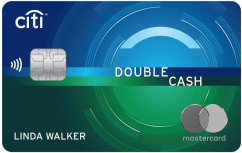
Citi Double Cash® Card
Intro APR:0% for 18 months on Balance Transfers
Ongoing APR:18.24% - 28.49% (Variable)
Rewards:
2% (cash back)
Earn 2% on every purchase with unlimited 1% cash back when you buy, plus an additional 1% as you pay for those purchases. To earn cash back, pay at least the minimum due on time. Plus, earn 5% total cash back on hotel, car rentals and attractions booked with Citi Travel.
Annual Fee:$0
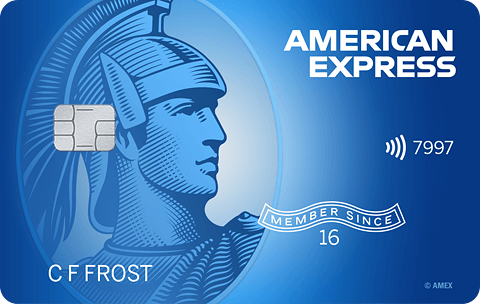
Blue Cash Everyday® Card from American Express
Intro bonus:
As High As $200 Cash Back. Find Out Your Offer.
You may be eligible for as high as $200 cash back after spending $2,000 in purchases on your new Card in the first 6 months. Welcome offers vary and you may not be eligible for an offer. Cash back is received as Reward Dollars, redeemable for statement credit or at Amazon.com checkout. Terms Apply.
Intro APR:0% on Purchases and Balance Transfers for 15 months
Ongoing APR:19.49%-28.49% Variable
Rewards:
1% - 3% (cash back)
Earn 3% cash back at U.S. supermarkets, 3% cash back on U.S. online retail purchases, 3% cash back at U.S. gas stations, on eligible purchases for each category on up to $6,000 per year in purchases (then 1%). Cash back is received in the form of Reward Dollars that can be redeemed as a statement credit and at Amazon.com checkout.
Annual Fee:$0
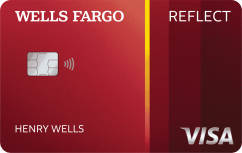
Wells Fargo Reflect® Card
Intro APR:0% intro APR for 21 months from account opening on purchases and qualifying balance transfers
Ongoing APR:17.49%, 23.99%, or 28.24% Variable APR
Rewards:
N/A
Annual Fee:$0
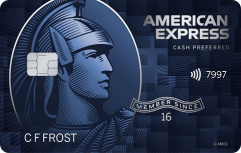
Blue Cash Preferred® Card from American Express
Intro bonus:
As High As $300 Cash Back. Find Out Your Offer.
You may be eligible for as high as $300 cash back after spending $3,000 in purchases on your new Card in the first 6 months. Welcome offers vary and you may not be eligible for an offer. Cash back is received as Reward Dollars, redeemable for statement credit or at Amazon.com checkout. Terms Apply.
Intro APR:0% on Purchases and Balance Transfers for 12 months
Ongoing APR:19.49%-28.49% Variable
Rewards:
1% - 6% (cash back)
Earn 6% cash back at U.S. supermarkets on up to $6,000 per year in eligible purchases (then 1%), 6% cash back on select U.S. streaming subscriptions, 3% cash back at eligible U.S. gas stations and on transit (including taxis/rideshare, parking, tolls, trains, buses and more) purchases and 1% cash back on other purchases. Cash Back is received in the form of Reward Dollars that can be redeemed as a statement credit and at Amazon.com checkout.
Annual Fee:$0 intro annual fee for the first year, then $95.
Citi Simplicity® Card
Intro APR:0% intro APR for 18 months from account opening on purchases and qualifying balance transfers
Ongoing APR:17.49% - 28.24% (Variable)
Rewards:
N/A
Annual Fee:$0
Bank of America® Customized Cash Rewards credit card
Intro bonus:
$200
$200 online cash rewards bonus after you make at least $1,000 in purchases in the first 90 days of account opening
Intro APR:0% Intro APR for 15 billing cycles for purchases, and for any balance transfers made in the first 60 days
Ongoing APR:17.49% - 27.49% Variable
Rewards:
1% - 6% (cash back)
Earn 6% cash back for the first year in the category of your choice. You’ll automatically earn 2% cash back at grocery stores and wholesale clubs, and unlimited 1% cash back on all other purchases. After the first year from account opening, you’ll earn 3% cash back on purchases in your choice category. Earn 6% and 2% cash back on the first $2,500 in combined purchases each quarter in the choice category, and at grocery stores and wholesale clubs, then earn unlimited 1% thereafter. After the 3% first-year bonus offer ends, you will earn 3% and 2% cash back on these purchases up to the quarterly maximum.
Annual Fee:$0
BankAmericard® credit card
Intro APR:0% Intro APR for 21 billing cycles for purchases, and for any balance transfers made in the first 60 days
Ongoing APR:14.99% - 25.99% Variable
Rewards:
N/A
Annual Fee:$0
Bank of America® Unlimited Cash Rewards credit card
Intro bonus:
$250
Limited Time Offer! $250 online cash rewards bonus after you make at least $1,000 in purchases in the first 90 days of account opening.
Intro APR:0% Intro APR for 15 billing cycles for purchases, and for any balance transfers made in the first 60 days
Ongoing APR:17.49% - 27.49% Variable
Rewards:
1.5% (cash back)
1.5% cash back on all purchases
Annual Fee:$0
See all our best 0% intro credit cards for 2026.
Pros and Cons of Variable APRs
Just like fixed-rate APRs, variable-rate APRs have pros and cons to consider.
Pros
- Your loan payments may drop when interest rates fall.
- When you first take out your loan, the variable rate may be lower than a fixed-rate APR.
- You may qualify for upfront perks like a 0% introductory rate for a promotional period.
Cons
- Generally, if interest rates rise, so will your loan payments.
- Because of changing rates, you may find it more difficult to forecast a budget.
- If rates rise quickly, you may be at greater risk of missing payments or defaulting on your loan.
Which Is Better: Fixed or Variable APR?
With certain loans and credit cards, you may not have the choice of which type of APR you get. If you can choose between a fixed or variable APR, it's important to consider the specifics of each loan as well as your personal financial situation. Factors that can influence your decision, include:
- Risk tolerance: If you shudder at the thought of rising interest rates, choose a fixed-rate APR. On the other hand, if you have the disposable income to pay a little more each month if your monthly payment increases, you might choose a variable APR in the hope that rates (and your payment) will decrease.
- Current interest rates: If you think interest rates will continue to rise, you might lock into a fixed-APR loan, which can provide more stability over the loan term. However, if rates are on the decline, you might save money (at least in the short term) by choosing a variable APR.
- Peace of mind: A fixed APR doesn't usually change. That's good news if you're on a tight budget.
The Bottom Line
When comparing the terms on a credit card or loan, find out first if the product has a fixed or variable APR. If you're applying for a loan, use the APR calculator to determine the APR based on the interest rate, fees and terms.
To see how much you'll qualify for and to get the best APR possible on your loan, get your credit report and FICO® ScoreΘ for free from Experian to see how you'll look to a lender—free.
Discover low interest credit cards
Keep more cash in your wallet with a low interest credit card. See what offers you qualify for based on your FICO® Score.
See your offers
About the author

Kathryn Pomroy
Kathryn Pomroy is a writer at Experian. She is a journalist who obsesses over all things personal finance, including consumer debt and banking, credit cards, credit scores and all types of loans. She has written for dozens of major publications, small businesses and many well-known personal finance companies
Read more from Kathryn