
How Do Retail Credit Cards Affect Your Credit Score?

You stand at the checkout counter, head spinning as your new clothes are rung up and your total climbs higher and higher. "Would you like to get 20% off by opening a credit card with us?" the salesperson asks. "Save 20%? Sign me up," you might think.
But before you complete that credit card application, consider the potential effect it may have on your credit score, directly and indirectly. Retail credit cards can affect your credit score positively or negatively, depending on how you use them.
It's not wise to apply for new credit in the heat of a shopping frenzy, especially if the lure of new credit would encourage you to make a purchase you wouldn't otherwise. To make a smart decision about applying for a retail credit card, take a deep breath, step away from the checkout line and consider your shopping habits, your ability to manage debt and pay bills on time, and what the card has to offer.
What Is a Retail Credit Card?
Retail credit cards are issued by retail stores, and most can only be used at the retailer that issued it. Often, a retail credit card will have rewards programs that encourages you to patronize its issuing retailer. Some retailers offer co-branded Visa or American Express credit cards that can be used like a traditional credit card.
Both types of store credit cards usually charge higher interest rates than regular credit cards. The average annual percentage rate (APR) on retail credit cards in 2018 was 26.4%, compared with 20.3% for traditional credit cards, according to the Consumer Financial Protection Bureau. Retail cards also tend to charge higher fees for things like cash advances or foreign transactions, as well as higher penalties for late payments. If you have good credit, you can easily find a credit card with a lower APR than you can get from a store card.
Do Store Cards Help Credit?
Store credit cards can either help or hurt your credit depending on your credit history, credit score and how you use the card. If you have poor credit or don't have much of a credit history, a retail credit card can be a useful tool for building or rebuilding credit. Because these cards typically have less stringent approval criteria, they're generally easier to get than a traditional credit card if you have a lower credit score or a thin credit file. Like with any credit card, if you use your store credit card to make a small purchase every month and pay it off in full and on time, you can gradually improve your credit score.
If this is your first credit card, you can graduate to a traditional credit card after you've built up some credit history. Be cautious about closing your retail card, however, as closing it will reduce your total credit limit and possibly increase your credit utilization ratio. Credit utilization measures the amount of credit card debt you're carrying relative to your overall credit limit, and it's the second most important factor in your credit score. A ratio above 30% will hurt your scores, but the lower, the better.
To keep a retail credit card from hurting your credit score, there are a few things you should know:
- Choose carefully: Applying for a retail credit card generates a hard inquiry on your credit report, which can have a negative effect on your credit score. If you only apply for one store credit card, this hit will be temporary. However, applying for multiple credit cards all at once can cause a more significant dip in your credit score, so limit yourself to one retailer.
- Watch your credit usage: Retail store credit cards typically have lower credit limits than other credit cards. Although this might seem like a good thing (since it keeps you from getting into too much debt), it can work against you if you carry a high balance and a high credit utilization ratio.
- Understand promotional offers: Many store credit cards offer deferred interest financing for six to 12 months on large purchases, such as furniture. While this sounds appealing, it's important to understand that deferred interest financing isn't the same as an introductory 0% APR offer. With a 0% APR offer, you don't accrue any interest during the promotional period; interest on your balance only begins to accrue after the promotional period is over. With deferred interest financing, interest starts accruing on your balance beginning on the date of purchase. If you don't pay off your entire balance before the end of the promotional period, all of that deferred interest will come due at once.
- Stay on top of your bill: If you rarely shop at a specific retailer, it's easy to miss the statement or forget to pay the bill on time. Unlike utilities, car payments, rent and other bills you pay every single month, a retail credit card bill can easily slip through the cracks. At best, this might mean a late fee; at worst, it could mean a chunk of deferred interest coming due.
- Resist the urge to buy more: Finally, if you're a shopaholic or a bargain hunter, having a retail credit card can easily entice you to buy things you don't really need. Retailers know exactly how to push a cardholder's buttons with endless offers, coupons, discounts, extra rewards points, early access to sales and more. The constant temptation can weaken your willpower and spur overspending.
If you want to earn rewards points or cash back on your store purchases, a general-use credit card that offers rewards can offer the same benefits with more flexibility. If you just want to save money, search online for a discount code—you'll probably find one equivalent to the savings from a store card.
Best rewards cards of 2026
Compare cards from our partners that earn points, cash back or miles on everyday spending.
Offers from our partners
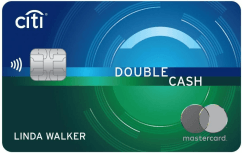
Citi Double Cash® Card
Intro APR:0% for 18 months on Balance Transfers
Ongoing APR:17.49% - 27.49% (Variable)
Rewards:2% (cash back)
Annual Fee:$0

Blue Cash Everyday® Card from American Express
Intro bonus:As High As $200 Cash Back. Find Out Your Offer.
Intro APR:0% on Purchases and Balance Transfers for 15 months
Ongoing APR:19.49%-28.49% Variable
Rewards:1% - 3% (cash back)
Annual Fee:$0

Discover it® Chrome
Intro bonus:Cashback Match™
Intro APR:0% intro APR for 6 Months on Purchases and 0% intro APR for 18 Months on Balance Transfers
Ongoing APR:17.49% - 26.49% Variable APR
Rewards:1% - 2% (cash back)
Annual Fee:$0
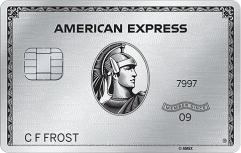
American Express Platinum Card®
Intro bonus:As high as 175,000 points. Find out your offer.
Ongoing APR:See Pay Over Time APR
Rewards:1x - 5x (Points per dollar)
Annual Fee:$895

Avant® Cashback Rewards Mastercard®
Ongoing APR:29.99%*
Rewards:2% (cash back)
Annual Fee:$0*

Credit One Bank American Express® Card for Rebuilding Credit
Ongoing APR:29.74% Variable
Rewards:1% (cash back)
Annual Fee:$75 First year. $99 thereafter, billed monthly at $8.25
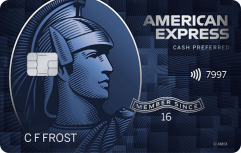
Blue Cash Preferred® Card from American Express
Intro bonus:As High As $300 Cash Back. Find Out Your Offer.
Intro APR:0% on Purchases and Balance Transfers for 12 months
Ongoing APR:19.49%-28.49% Variable
Rewards:1% - 6% (cash back)
Annual Fee:$0 intro annual fee for the first year, then $95.

Credit One Bank® Secured Card
Ongoing APR:29.74% Variable
Rewards:1% (cash back)
Annual Fee:$0
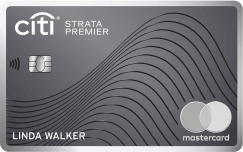
Citi Strata Premier® Card
Intro bonus:60,000 Points
Ongoing APR:19.49% - 27.49% (Variable)
Rewards:1x - 10x (Points per dollar)
Annual Fee:$95
Costco Anywhere Visa® Card by Citi
Ongoing APR:18.74% - 26.74% (Variable)
Rewards:1% - 5% (cash back)
Annual Fee:$0
American Express® Gold Card
Intro bonus:As high as 100,000 points. Find out your offer.
Ongoing APR:See Pay Over Time APR
Rewards:1x - 4x (Points per dollar)
Annual Fee:$325
First Latitude Secured Mastercard® Cash Back Rewards
Ongoing APR:27.49% Variable
Rewards:1% - 10% (cash back)
Annual Fee:$0
Citi® / AAdvantage® Platinum Select® World Elite Mastercard®
Ongoing APR:19.49% - 29.49% (Variable)
Rewards:2x (Miles per dollar)
Annual Fee:$99, waived for first 12 months

Avant® Cashback Rewards Mastercard®
Ongoing APR:35.99%*
Rewards:1% (cash back)
Annual Fee:$75*
Citi® / AAdvantage® Globe™ Mastercard®
Ongoing APR:19.49% - 29.49% (Variable)
Rewards:1x - 6x (Miles per dollar)
Annual Fee:$350

Avant® Cashback Rewards Mastercard®
Ongoing APR:35.99%*
Rewards:1% (cash back)
Annual Fee:$39*
First Progress Prestige Secured Mastercard® Cash Back Rewards
Ongoing APR:13.49% Variable
Rewards:1% - 10% (cash back)
Annual Fee:$49
First Progress Select Secured Mastercard® Cash Back Rewards
Ongoing APR:17.49% Variable
Rewards:1% - 10% (cash back)
Annual Fee:$39

Credit One Bank® Wander® American Express® with Dining, Gas & Travel Rewards
Ongoing APR:29.74% Variable
Rewards:1% - 10% (cash back)
Annual Fee:$95
Hilton Honors American Express Card
Intro bonus:70,000 Points
Ongoing APR:19.49%-28.49% Variable
Rewards:3x - 7x (Points per dollar)
Annual Fee:$0
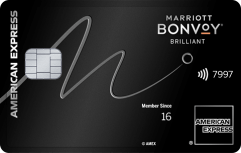
Marriott Bonvoy Brilliant® American Express® Card
Intro bonus:200,000 Points
Ongoing APR:19.49%-28.49% Variable
Rewards:2x - 6x (Points per dollar)
Annual Fee:$650
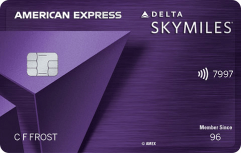
Delta SkyMiles® Reserve American Express Card
Intro bonus:As High As 100,000 Bonus Miles. Find Out Your Offer.
Ongoing APR:19.49%-28.49% Variable
Rewards:1x - 3x (Miles per dollar)
Annual Fee:$650
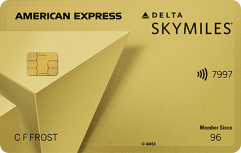
Delta SkyMiles® Gold American Express Card
Intro bonus:As High As 80,000 Bonus Miles. Find Out Your Offer.
Ongoing APR:19.49%-28.49% Variable
Rewards:1x - 2x (Miles per dollar)
Annual Fee:$0 introductory annual fee for the first year, then $150.

Credit One Bank® Premier American Express® Unlimited Rewards Card
Ongoing APR:29.74% Variable
Rewards:1% (cash back)
Annual Fee:$0
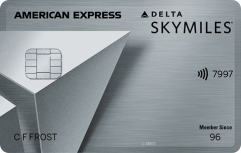
Delta SkyMiles® Platinum American Express Card
Intro bonus:As High As 90,000 Bonus Miles. Find Out Your Offer.
Ongoing APR:19.49%-28.49% Variable
Rewards:1x - 3x (Miles per dollar)
Annual Fee:$350

Hilton Honors American Express Surpass® Card
Intro bonus:130,000 Points
Ongoing APR:19.49%-28.49% Variable
Rewards:3x - 12x (Points per dollar)
Annual Fee:$150
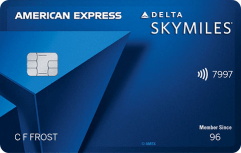
Delta SkyMiles® Blue American Express Card
Intro bonus:10,000 Miles
Ongoing APR:19.49%-28.49% Variable
Rewards:1x - 2x (Miles per dollar)
Annual Fee:$0
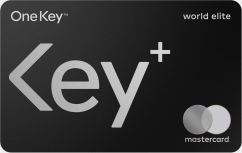
One Key+™ Card
Intro bonus:$350
Ongoing APR:18.49%, 23.49%, or 28.49% Variable APR
Rewards:2x - 3x (Points per dollar)
Annual Fee:$99

Avant® Cashback Rewards Mastercard® - With A Higher Credit Limit
Ongoing APR:35.99%*
Rewards:1% (cash back)
Annual Fee:$125*

Avant® Cashback Rewards Mastercard®
Ongoing APR:35.99%*
Rewards:1% (cash back)
Annual Fee:$0*
See all our best rewards credit cards for 2026.
What Credit Score Do You Need for a Retail Credit Card?
Store-only credit cards are generally easier to get than traditional cards, even if you only have fair credit. Retailers know their cardholders shop at their stores more often, so they have an incentive to give you a card. As previously mentioned, retail credit cards tend to have higher APRs and lower credit limits than traditional credit cards, which reduces the risk retailers take by extending credit to those with less-than-stellar credit scores.
If you're trying to get a co-branded store card, you'll generally need a good credit score to qualify. That's because co-branded cards are issued by the partner bank rather than the retailer. Even if you apply for a co-branded card and can't get approved, you may still be able to get a store-only card from the same retailer.
Is a Store Credit Card Right for You?
Depending on how you use it, a retail credit card can help or hurt your credit score. If you're trying to rebuild bad credit or build a credit history for the first time, a retail credit card may be your only option for getting credit. Used wisely, it can be a stepping-stone to a traditional credit card that has better terms and a higher credit limit.
If you have good credit, however, there are plenty of traditional credit cards that offer similar rewards to store cards but with lower interest rates and fees. To see what types of credit cards you can qualify for, start by checking your credit score.
Don’t apply blindly
Apply for credit cards confidently with personalized offers based on your credit profile. Get started with your FICO® Score for free.
See your offers
About the author

Karen Axelton
Karen Axelton is Experian’s in-house senior personal finance writer. She has over 20 years of experience as a journalist and has written or ghostwritten content for a variety of financial services companies.
Read more from Karen