
Can You Pay Off One Credit Card with Another?

Dear Experian,Will transferring a balance from one credit card to another credit card, not to a new card but one that I have already had for years that is offering a good balance transfer deal, have any effect on my credit score?
- EKR
Dear EKR,
If you are trying to pay down the balance on a credit card, an offer of lower or even no interest on a balance transfer to another credit card account can be very tempting. While you can use a balance transfer to pay off one credit card with another and save money on interest, there are a few things you should consider before deciding whether it is the best option for you:
Best balance transfer cards of 2026
Compare balance transfer offers from our partners with 0% APRs and generous introductory periods.
Offers from our partners
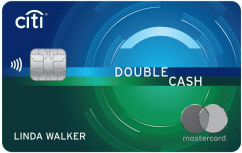
Citi Double Cash® Card
Intro APR:0% for 18 months on Balance Transfers
Ongoing APR:18.49% - 28.74% (Variable)
Annual Fee:$0

Citi® Diamond Preferred® Card
Intro APR:0% for 21 months on Balance Transfers and 12 months on Purchases
Ongoing APR:16.74% - 27.49% (Variable)
Annual Fee:$0
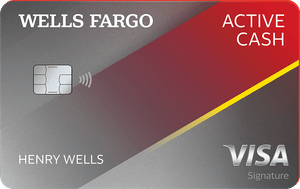
Wells Fargo Active Cash® Card
Intro APR:0% intro APR for 12 months from account opening on purchases and qualifying balance transfers
Ongoing APR:18.74%, 24.74%, or 28.74% Variable APR
Annual Fee:$0

American Airlines AAdvantage® MileUp® Card
Intro APR:0% for 15 months on Balance Transfers
Ongoing APR:19.74% - 29.74% (Variable)
Annual Fee:$0

Citi Simplicity® Card
Intro APR:0% intro APR for 18 months from account opening on purchases and qualifying balance transfers
Ongoing APR:17.74% - 28.49% (Variable)
Annual Fee:$0

Bank of America® Customized Cash Rewards credit card
Intro APR:0% Intro APR for 15 billing cycles for purchases, and for any balance transfers made in the first 60 days
Ongoing APR:17.74% - 27.74% Variable
Annual Fee:$0

BankAmericard® credit card
Intro APR:0% Intro APR for 21 billing cycles for purchases, and for any balance transfers made in the first 60 days
Ongoing APR:15.24% - 26.24% Variable
Annual Fee:$0
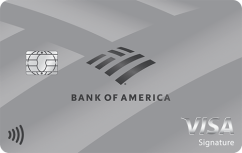
Bank of America® Unlimited Cash Rewards credit card
Intro APR:0% Intro APR for 15 billing cycles for purchases, and for any balance transfers made in the first 60 days
Ongoing APR:17.74% - 27.74% Variable
Annual Fee:$0
See all our best balance transfer credit cards for 2026.
How Much Will A Balance Transfer Cost Me?
The first, and probably the most important, is how much the balance transfer will cost upfront. Many balance transfer offers charge a certain percentage of the amount to be transferred in order to complete the transaction. That amount will be automatically added to your balance, so you should deduct that amount from the amount you are hoping to save over time by transferring the debt.
Second, you should consider whether you will be able to pay off the balance in full by the end of the introductory period. Most balance transfer offers have a zero percent interest rate only for a specified period, after which the interest rate on the account jumps significantly. And, if you make a late payment, you will most likely lose your zero percent interest rate and begin paying a much higher rate immediately.
Last, some no interest offers may actually be deferred interest offers. This means that if the debt is not paid back within the introductory period, the interest is backdated all the way to the date of the balance transfer. You could end up paying interest that accrued from the moment you made the balance transfer, costing you even more and eliminating any savings. So, be sure to read the fine print, and know what you are agreeing to.
How a Balance Transfer May Affect your Credit
You mentioned that your balance transfer offer is on an existing account you have had for years, so in your case, you won't need to apply for new credit in order to take advantage. However, you still need to consider how transferring your debt from one account to another will affect your utilization rate on the account you are transferring to, especially if you are already carrying a balance on that account.
While your overall credit utilization rate on all your accounts may stay the same, a higher utilization rate on even one credit card account can affect your credit scores.
For anyone considering opening a new account in order to transfer a balance, keep in mind that an application for new credit will result in an inquiry on your credit report. While a single inquiry isn't likely to have a significant impact on credit scores, you may see a temporary dip as a result of applying for and opening a new account.
Therefore, if you know you may be applying for a major credit purchase in the near future, such as a car or home loan, now probably isn't the best time to apply for any new accounts.
Paying Off One Credit Card with Another Can Be Beneficial
As long as you are aware of the terms and conditions and you manage your account well, transferring your credit card balance to a lower interest account can work to your advantage. A lower interest rate usually means lower minimum monthly payments, and less money spent on interest enables you to pay down your debt faster.
If you can commit to not adding any new charges to the account while staying on track with your payments, you can use this opportunity both to save money and to eliminate your credit card debt altogether
Thank you,
The "Ask Experian" Team
Best balance transfer cards
Need to consolidate debt and save on interest? See if you qualify for intro offers like 0% intro APR up to 21 months based on your FICO® Score.
See your offers
About the author

Experian Team
The Experian Team is made up of experts across many financial verticals including credit, identity theft, insurance, banking and more. Articles published by the Experian Team are written by these subject matter experts and reviewed by our internal team of editors and fact checkers.
Read more from Experian