
 By Tim Maxwell
Can I Disable Cash Advances on a Credit Card?
By Tim Maxwell
Quick Answer
Disabling cash advances on your credit card could help you avoid high interest rates and fees, but not all card issuers offer this option. Contact your card issuer to discover your options.

Cash advances can be helpful if you're in a tight spot, but they should usually be considered a last option. With high interest rates and cash advance fees of up to 5%, using your card to pull out cash can quickly lead to debt.
If you're concerned a cash advance could make a bad situation worse, you may wish to remove the temptation to pull out cash. You might have the option to disable cash advances on your credit card, depending on your card issuer. Here's what you need to know about restricting your access to cash advances.
Can You Turn Off Cash Advances on a Credit Card?
A cash advance allows you to withdraw cash against your credit limit at a bank, credit union or ATM. It can be an attractive option if you're facing a financial emergency and can't use your credit card. For example, you might consider a cash advance to pay for an overdue utility bill to prevent your service from being disconnected.
However, cash advances can be overused as a convenient option to get immediate cash for your financial needs. The interest and fees can quickly add up and seriously harm your finances if you're not careful. For this reason, you may wonder if you can stop the cash advance feature on your credit card from being used.
Start by contacting your card issuer to explore your cash advance options, which can vary. For instance, your card issuer may allow you to either disable cash advances entirely or provide the option to set the maximum cash advance amount to $1.
Why You Should Avoid Cash Advances
A cash advance can be helpful in a pinch, especially if you need access to money on short notice and don't have other options. However, it's generally wise to avoid using your credit card to withdraw cash for the following reasons:
- High annual percentage rate (APR): Many credit cards charge significantly higher interest rates for cash advances than purchases. The Federal Reserve reports average credit card interest rates in January 2024 at 22.75%, though cash advance rates are typically much higher.
- No grace period: Typically, credit cards give you a grace period of at least 21 days to pay off your monthly bill without incurring interest charges. Cash advances begin accruing interest the day you withdraw funds, however.
- Cash advance fee: On top of high interest rates, credit card companies charge a cash advance fee, typically 3% to 5% of the amount you borrow. As such, you'll pay $3 to $5 for every $100 you borrow, or a minimum fee such as $10.
- ATM or bank fees: Many financial institutions and ATM owners charge a cash advance fee separate from the credit card issuer's fee, usually between $2 and $5.
A quick run of the numbers using Experian's credit card calculator illustrates why cash advances should usually be avoided.
Let's say you take out a $1,000 cash advance at 25% APR and make a minimum monthly payment of $31. It would take you 55 months (four years and seven months) to zero out your balance. In all, you'd pay $676 in interest, a $50 cash advance fee (5%) and a $3 bank or ATM fee. In all, borrowing $1,000 would cost you an additional $729, roughly 73% more, if you only make minimum payments.
Alternatives to Costly Cash Advances
Cash advances can help you address a financial emergency, but given their higher costs, you might want to consider other options, such as:
- Emergency fund: Financial experts often recommend saving three to six months of living expenses in an emergency fund. If you've got any savings built up—even if they fall short of the guideline—use these funds before taking out a costly cash advance. After all, it's what an emergency fund is intended for.
- Friends and family: Borrowing from a loved one can be more cost-effective than a cash advance, but it could harm your relationship if you're not careful. Before proceeding, take precautions by agreeing to written terms that detail when you'll make payments and for how much.
- Due date extension: If you're considering a cash advance to pay an impending bill, such as a utility bill, try asking the company if you can extend your due date. Also consider requesting to change your due date to a time that matches up with your paycheck schedule.
- Personal loan: A personal loan could help you get through a financial rough spot. Even though you'll still have to pay interest charges, APRs for personal loans are usually lower than those for credit cards, especially when compared to cash advance rates. Consider consolidating your high-interest debts into one lower-interest debt consolidation loan, which is a type of personal loan.
- 0% introductory APR credit cards: If you have good credit, you may qualify for a 0% introductory APR credit card. You could purchase groceries, gas and other needs without paying interest for a specific period. Introductory periods typically last from 12 to 21 months, ample time to address a financial emergency. Just make sure to pay off the debt completely before the 0% APR introductory period ends, and the regular interest rate kicks in.
Best 0% intro APR cards of 2026
Compare cards from our partners with 0% intro APR offers on balance transfers, purchases or both.
Offers from our partners
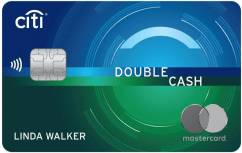
Citi Double Cash® Card
Intro APR:0% for 18 months on Balance Transfers
Ongoing APR:17.49% - 27.49% (Variable)
Rewards:2% (cash back)
Annual Fee:$0
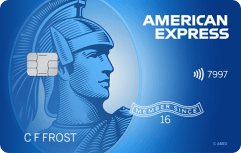
Blue Cash Everyday® Card from American Express
Intro bonus:As High As $200 Cash Back. Find Out Your Offer.
Intro APR:0% on Purchases and Balance Transfers for 15 months
Ongoing APR:19.49%-28.49% Variable
Rewards:1% - 3% (cash back)
Annual Fee:$0
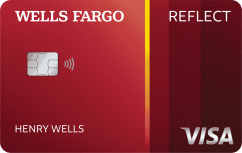
Wells Fargo Reflect® Card
Intro APR:0% intro APR for 21 months from account opening on purchases and qualifying balance transfers
Ongoing APR:17.49%, 23.99%, or 28.24% Variable APR
Rewards:N/A*
Annual Fee:$0

Discover it® Chrome
Intro bonus:Cashback Match™
Intro APR:0% intro APR for 6 Months on Purchases and 0% intro APR for 18 Months on Balance Transfers
Ongoing APR:17.49% - 26.49% Variable APR
Rewards:1% - 2% (cash back)
Annual Fee:$0
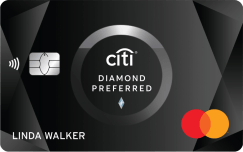
Citi® Diamond Preferred® Card
Intro APR:0% for 21 months on Balance Transfers and 12 months on Purchases
Ongoing APR:16.49% - 27.24% (Variable)
Rewards:N/A*
Annual Fee:$0
Wells Fargo Active Cash® Card
Intro bonus:$200
Intro APR:0% intro APR for 12 months from account opening on purchases and qualifying balance transfers
Ongoing APR:18.49%, 24.49%, or 28.49% Variable APR
Rewards:2% (Cash Rewards)
Annual Fee:$0

Discover it® Cash Back
Intro bonus:Cashback Match™
Intro APR:0% intro APR for 15 months on Purchases and Balance Transfers
Ongoing APR:17.49% - 26.49% Variable APR
Rewards:1% - 5% (cash back)
Annual Fee:$0
Blue Cash Preferred® Card from American Express
Intro bonus:As High As $300 Cash Back. Find Out Your Offer.
Intro APR:0% on Purchases and Balance Transfers for 12 months
Ongoing APR:19.49%-28.49% Variable
Rewards:1% - 6% (cash back)
Annual Fee:$0 intro annual fee for the first year, then $95.
American Airlines AAdvantage® MileUp® Card
Intro APR:0% for 15 months on Balance Transfers
Ongoing APR:19.49% - 29.49% (Variable)
Rewards:2x (Miles per dollar)
Annual Fee:$0

Discover it® Miles
Intro bonus:Discover Match®
Intro APR:0% intro APR for 15 months on Purchases and Balance Transfers
Ongoing APR:17.49% - 26.49% Variable APR
Rewards:1.5x (Miles per dollar)
Annual Fee:$0
See all our best 0% intro credit cards for 2026.
A Cash Advance Could Indirectly Affect Your Credit
By itself, a cash advance doesn't impact your credit score, and it won't show up in your credit history. However, a cash advance is included in your credit card debt, which could negatively affect your credit score if it increases your credit utilization ratio. This ratio represents the percentage of available revolving credit you're using on your credit card, and is one of the most important factors in your credit scores.
Strengthening your credit could help you qualify for lower-interest loans if you get in a financial bind. Start by accessing your credit report and credit score for free with Experian to get an overall picture of your credit. Then, take steps to improve your credit quickly.
Don’t apply blindly
Apply for credit cards confidently with personalized offers based on your credit profile. Get started with your FICO® Score for free.
See your offers
About the author
Tim Maxwell
Tim Maxwell is a former television news journalist turned personal finance writer and credit card expert with over two decades of media experience. His work has been published in Bankrate, Fox Business, Washington Post, USA Today, The Balance, MarketWatch and others. He is also the founder of the personal finance website Incomist.
Read more from Tim