
Can I Get a Balance Transfer Card With Bad Credit?

Quick Answer
It will be a challenge to get a traditional balance transfer credit card with bad credit. You have other options, however, such as applying for a secured credit card that allows balance transfers or asking your card issuer for a lower interest rate.

It may not be possible to get approved for a balance transfer card with bad credit. Card issuers typically require a good or excellent credit score to qualify, which is a FICO® ScoreΘ of 670 or higher on an 850-point scale.
But there are other ways to strategically pay down credit card debt. You can look into secured credit cards that allow balance transfers, build positive credit habits to improve your score or use payoff methods that don't require a balance transfer.
It's a wise move to pursue balance transfers as a way to get debt under control. Here are some other options to consider.
Can You Get a Balance Transfer Card With Bad Credit?
Typically, you can't transfer a balance between credit cards issued by the same financial institution. Balance transfers are a way for credit card issuers to take on new customers, and it's most beneficial for them to work with those who are more likely to pay off their debt as agreed.
That means balance transfer card issuers are looking for applicants with good credit. With fair or poor credit, or a FICO® Score below 670, you likely won't qualify.
While eligibility for a balance transfer card can feel restrictive, there's an upside: Once approved, you'll generally receive a 0% annual percentage rate (APR) for a period of time. This allows you an opportunity to pay off credit card debt interest-free. (You will generally pay a one-time balance transfer fee, however; usually 3% to 5% of the transferred amount.)
Best balance transfer cards of 2026
Compare balance transfer offers from our partners with 0% APRs and generous introductory periods.
Offers from our partners
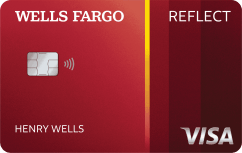
Wells Fargo Reflect® Card
Intro APR:0% intro APR for 21 months from account opening on purchases and qualifying balance transfers
Ongoing APR:17.49%, 23.99%, or 28.24% Variable APR
Annual Fee:$0

Citi® Diamond Preferred® Card
Intro APR:0% for 21 months on Balance Transfers and 12 months on Purchases
Ongoing APR:16.49% - 27.24% (Variable)
Annual Fee:$0
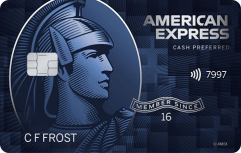
Blue Cash Preferred® Card from American Express
Intro APR:0% on Purchases and Balance Transfers for 12 months
Ongoing APR:19.49%-28.49% Variable
Annual Fee:$0 intro annual fee for the first year, then $95.
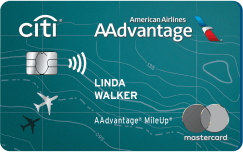
American Airlines AAdvantage® MileUp® Card
Intro APR:0% for 15 months on Balance Transfers
Ongoing APR:19.49% - 29.49% (Variable)
Annual Fee:$0
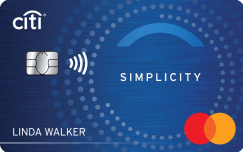
Citi Simplicity® Card
Intro APR:0% intro APR for 18 months from account opening on purchases and qualifying balance transfers
Ongoing APR:17.49% - 28.24% (Variable)
Annual Fee:$0

Ollo Everyday Rewards
Ongoing APR:23.99%-29.99% Variable
Annual Fee:$0
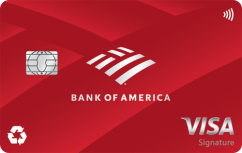
Bank of America® Customized Cash Rewards credit card
Intro APR:0% Intro APR for 15 billing cycles for purchases, and for any balance transfers made in the first 60 days
Ongoing APR:17.49% - 27.49% Variable
Annual Fee:$0
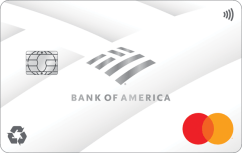
BankAmericard® credit card
Intro APR:0% Intro APR for 21 billing cycles for purchases, and for any balance transfers made in the first 60 days
Ongoing APR:14.99% - 25.99% Variable
Annual Fee:$0
See all our best balance transfer credit cards for 2026.
Should You Do a Balance Transfer With Bad Credit?
It's unlikely you'll qualify for a balance transfer card with a poor credit score. You'll have more options with at least fair credit, or a FICO® Score between 580 and 669, but a balance transfer card may not be the best choice for you even if you are able to qualify. That's because you may end up paying fees and interest that an alternative option would help you avoid.
Here's why it's important to consider a balance transfer carefully with bad credit:
- Transferring your balance could free you up to take on more debt. In addition to its intended purpose, a balance transfer card allows you to make purchases that could eliminate the benefits of the balance transfer. Make sure you feel confident in your debt payoff plan and have a sound strategy to pay off the debt for good before going this route.
- You could pay a higher ongoing APR. If you're offered an introductory 0% APR, that will increase to an ongoing APR on purchases when the introductory period is over. With bad credit, you'll likely receive an APR at the higher end of the range after you've paid off your transferred balance, leading to even more debt if you don't pay off your purchases each month.
- A new credit card will mean a new hard inquiry. A hard inquiry for a new credit card can have a negative impact on your credit score, at least in the short term.
- You may not qualify for a large enough credit limit to transfer your entire balance. Card issuers may consider your credit score when assigning you a credit limit or a balance transfer limit. If you have bad credit, you may receive a credit limit or balance transfer limit that doesn't cover the total amount of debt you want to pay off.
Alternatives to Balance Transfer Cards for Bad Credit
You have several alternatives if a balance transfer card isn't an option for you:
- Apply for a secured credit card with a balance transfer offer. Secured credit cards are geared towards cardholders with no credit or bad credit. You'll pay a deposit up front that typically becomes your credit limit, and you'll use the card like you would a traditional credit card. Some secured cards have balance transfer offers that may be lower than what you're paying now, though not 0% APR. Making payments on a secured card account can help improve your credit score.
- Improve your credit and apply for an unsecured balance transfer card. If you stay consistent with your payments, you'll generally be able to transition a secured credit card to an unsecured version. Once you have a higher credit score, you may also qualify for other 0% APR offers to pay off any outstanding credit card balance.
- Transfer a balance to a different existing card. This option lets you avoid applying for new credit. Contact your current card issuers to see if they have any balance transfer offers available. Make sure to ask when the promotional period ends, and what APR you'll be charged after that point.
How to Pay Down Debt Without a Balance Transfer
You may choose not to transfer a balance to a new credit card. Perhaps you'd like to avoid adding a new card to your wallet, or your credit score disqualifies you. Instead, try these alternatives:
- Get a debt consolidation loan. This method also transfers a credit card balance, but it shifts your debt to a personal loan instead of another credit card. If you qualify for an interest rate that's lower than what you already pay, you could see savings similar to what you'd get with a balance transfer credit card.
- Ask for a lower interest rate. When you ask your current credit card issuer for a lower rate, it is particularly likely to agree if you've made all your payments on time and you've been a customer for a while. Try again in a few months if you're not successful right away.
- Use a debt payoff strategy. You can pay off debt without consolidating or transferring it by attacking certain types of debt first using the debt snowball or avalanche methods. Tackle the lowest balance with the snowball method, or the highest interest rate with the avalanche method.
- Increase your income. Focusing on increasing your income, by asking for a raise, selling items or starting a side business, can jump-start your debt payoff plans.
- Reduce your monthly expenses. You can also cut the amount you pay on recurring expenses like housing, transportation, utilities, memberships and subscriptions and meals out, then send the extra cash to debt payoff.
- Work with a nonprofit credit counseling agency. These organizations can offer a free initial consultation on your debt situation and suggest payoff strategies. Search for a certified credit counselor through the National Foundation for Credit Counseling when you're ready to get started.
The Bottom Line
With bad credit, it will be a challenge to get a traditional balance transfer credit card. But you have other options. A secured credit card with a balance transfer deal, for example, can get you a lower rate when paying off an existing balance—and help you improve your credit score at the same time.
You may decide to pay off debt without a balance transfer at all. But however you do it, eliminating debt will help you not only achieve debt freedom, but will likely move your credit score into a category that gives you more flexibility too.
Best balance transfer cards
Need to consolidate debt and save on interest? See if you qualify for intro offers like 0% intro APR up to 21 months based on your FICO® Score.
See your offers
About the author

Brianna McGurran
Brianna McGurran is a freelance journalist and writing teacher based in Brooklyn, New York. Most recently, she was a staff writer and spokesperson at the personal finance website NerdWallet, where she wrote "Ask Brianna," a financial advice column syndicated by the Associated Press.
Read more from Brianna