
 By LaToya Irby
What’s the Difference Between a Balance Transfer and Cash Advance?
By LaToya Irby
Quick Answer
A balance transfer is a transaction that moves one credit card balance to another, while a cash advance allows you to borrow cash against your credit limit. They have similar terms, but balance transfers offer better rates than costly cash advances.

Balance transfers and cash advances are two actions you can take with your credit card. Both carry the potential for high fees, but a balance transfer can be beneficial under the right circumstances. Understanding balance transfers and cash advances along with the pros and cons of each can help you avoid making a costly mistake.
What Is a Balance Transfer?
A balance transfer is a transaction that moves a balance from one credit card to another. Balance transfers are commonly used to pay off a high-interest-rate balance by moving it to a credit card offering a temporary 0% APR. If the new credit limit is high enough, balance transfers are also beneficial for consolidating multiple credit card balances.
Best balance transfer cards of 2026
Compare balance transfer offers from our partners with 0% APRs and generous introductory periods.
Offers from our partners
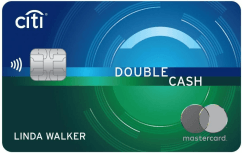
Citi Double Cash® Card
Intro APR:0% for 18 months on Balance Transfers
Ongoing APR:18.49% - 28.74% (Variable)
Rewards:
2% (cash back)
Earn 2% on every purchase with unlimited 1% cash back when you buy, plus an additional 1% as you pay for those purchases. To earn cash back, pay at least the minimum due on time. Plus, earn 5% total cash back on hotel, car rentals and attractions booked with Citi Travel.
Annual Fee:$0
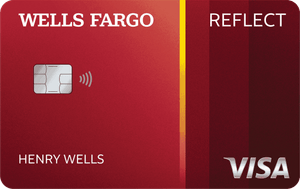
Wells Fargo Reflect® Card
Intro APR:0% intro APR for 21 months from account opening on purchases and qualifying balance transfers
Ongoing APR:17.74%, 24.24%, or 28.49% Variable APR
Rewards:
N/A
Annual Fee:$0
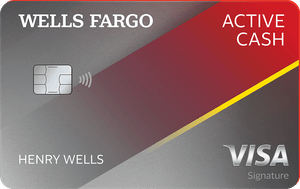
Wells Fargo Active Cash® Card
Intro bonus:
$100
Earn a $100 cash rewards bonus after spending $500 in purchases in the first 3 months.
Intro APR:0% intro APR for 12 months from account opening on purchases and qualifying balance transfers
Ongoing APR:18.74%, 24.74%, or 28.74% Variable APR
Rewards:
2% (Cash Rewards)
Earn unlimited 2% cash rewards on purchases.
Annual Fee:$0
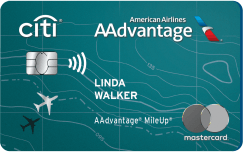
American Airlines AAdvantage® MileUp® Card
Intro APR:0% for 15 months on Balance Transfers
Ongoing APR:19.74% - 29.74% (Variable)
Rewards:
2x (Miles per dollar)
Earn 2 AAdvantage® miles for each $1 spent at grocery stores, including grocery delivery services. Earn 2 AAdvantage® miles for every $1 spent on eligible American Airlines purchases. Save 25% on inflight food and beverage purchases when you use your card on American Airlines flights
Annual Fee:$0
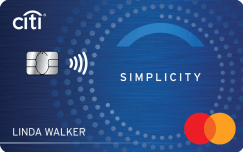
Citi Simplicity® Card
Intro APR:0% intro APR for 18 months from account opening on purchases and qualifying balance transfers
Ongoing APR:17.74% - 28.49% (Variable)
Rewards:
N/A
Annual Fee:$0

Ollo Everyday Rewards
Ongoing APR:23.99%-29.99% Variable
Rewards:
1% - 3% (cash back)
Unlimited 3% cash back on all gas stations and EV charging stations, grocery store and drugstore purchases. Unlimited 1% cash back on all other purchases.
Annual Fee:$0
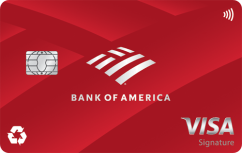
Bank of America® Customized Cash Rewards credit card
Intro APR:0% Intro APR for 15 billing cycles for purchases, and for any balance transfers made in the first 60 days
Ongoing APR:17.74% - 27.74% Variable
Rewards:
1% - 6% (cash back)
Earn 6% cash back for the first year in the category of your choice. You’ll automatically earn 2% cash back at grocery stores and wholesale clubs, and unlimited 1% cash back on all other purchases. After the first year from account opening, you’ll earn 3% cash back on purchases in your choice category. Earn 6% and 2% cash back on the first $2,500 in combined purchases each quarter in the choice category, and at grocery stores and wholesale clubs, then earn unlimited 1% thereafter. After the 3% first-year bonus offer ends, you will earn 3% and 2% cash back on these purchases up to the quarterly maximum.
Annual Fee:$0
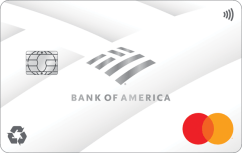
BankAmericard® credit card
Intro APR:0% Intro APR for 21 billing cycles for purchases, and for any balance transfers made in the first 60 days
Ongoing APR:15.24% - 26.24% Variable
Rewards:
N/A
Annual Fee:$0
See all our best balance transfer credit cards for 2026.
Pros of Balance Transfers
Balance transfers offer several benefits, particularly when you can take advantage of a low promotional interest rate.
- Get a break from interest: Depending on the balance transfer offer, you'll get up to 21 months to pay off your transferred balance without paying any interest on a balance transfer card.
- Consolidate multiple balances: Transferring multiple balances to a single credit card simplifies your credit card payments. You'll have fewer payments and due dates to manage.
- Pay debt faster: With 0% interest, your full payment is applied to your balance, helping you pay your balance off faster. Making new purchases with a balance transfer card can get you off track, however.
Cons of Balance Transfers
Balance transfers also have a few drawbacks to consider.
- Balance transfer fee: Balance transfers carry a flat fee or a percentage of the transaction amount—commonly 3% to 5%. Because the fee increases the cost of transferring a balance, it's important to make sure you'll still save money in the long run.
- Low rate is temporary: The promotional rate is temporary, so you'll have to be digilent about paying the balance before the promotional rate expires. Before committing to the transfer, gauge whether you can afford to pay off your balance before the promotional period ends.
- Higher risk of new debt: With your old credit limit freed up, you may be tempted to run up a balance again, getting yourself into more debt than you had before.
- Restrictions apply: Transfers from the same credit card issuer generally aren't allowed. Your card's balance transfer limit may be lower than your overall credit limit. There may be a time limit for taking advantage of the promotional offer.
What Is a Cash Advance?
A cash advance is a way to borrow cash from your available credit. It's essentially a short-term loan taken out on your credit card. You can get a cash advance by:
- Withdrawing cash from an ATM
- Visiting a bank branch
- Using a convenience check
- Making a cash-like transaction (purchasing a money order, for instance)
Pros of a Cash Advance
Using your credit card for a cash advance does carry some advantages.
- Access cash in an emergency: In an emergency situation, where you don't have access to your debit card and checking account, a cash advance allows you to borrow cash against your credit limit.
- No credit check: As long as you have available credit, you use your credit card to get cash without having to apply for a new loan or go through a credit check. You can avoid the potential damage of a new credit inquiry and the risk of having an application denied.
- Make convenient payments: Depending on your credit card terms, you have the flexibility to repay a cash advance over time by making minimum monthly payments.
Cons of a Cash Advance
Despite the convenience of quick cash, there are strong drawbacks to using a credit card for a cash advance.
- Higher interest rate: Cash advances often carry the highest possible APR on a credit card—potentially much higher than your ongoing rate. A higher interest rate makes cash advances more expensive than purchases or balance transfers.
- Cash advance fee: The cash advance fee, often between 3% and 5% of the transaction, increases the cost of the transaction. For instance, if you take out a cash advance of $300, your fee would be between $9 and $15. If you withdraw cash from the ATM, you'll also pay an ATM fee.
- You can't avoid interest: Interest starts accruing on the day of the transaction. You won't get a grace period to avoid paying a finance charge, even if you pay the cash advance in full.
- You can't dispute purchases: You can't file a billing dispute with your card issuer for purchases made with a cash advance. If you're unsatisfied with a purchase, you'll have to work out a solution with the merchant.
When Should You Use a Balance Transfer
Consider using a balance transfer to pay off high-interest debt, pay off a large purchase or combine multiple balances so they're easier to pay. The low interest rate is only temporary with a balance transfer, so make sure you can afford a payment high enough to pay off the transfer balance by the time the promotional rate ends.
You typically need good credit to qualify for the best low interest rate promotions. If you have high credit utilization or recent delinquencies, you may not be eligible for a balance transfer offer.
Why You Should Avoid Cash Advances
Cash advances have a number of fees and potentially high costs. They carry a higher interest rate, incur a cash advance fee and do not have a grace period even if you start the billing cycle with no balance.
Paying off a cash advance may be challenging if you have a purchase or transfer balance on the same card. Depending on how your credit card issuer applies the minimum payment—many apply the minimum payment to the lowest interest rate balance—you may have to pay more than the minimum to impact the cash advance balance.
Alternatives to a Cash Advance
Before using your credit card for a costly cash advance, explore a few alternatives:
- Use your emergency fund. This is savings you set aside specifically for unexpected expenses. If you don't have an emergency fund, consider starting one as soon as possible. Even setting aside a small amount from each paycheck can help you avoid racking up debt in an emergency.
- Charge a transaction on your credit card. Depending on your circumstances, consider whether you can make a purchase on your credit card in lieu of using cash.
- Get a payroll advance. Ask your employer for an advance or consider using a salary advance app to access your next paycheck sooner.
- Apply for a personal loan. It's not always the fastest option, but a personal loan gives you more spending and repayment flexibility.
- Borrow from family or friends. Asking a loved one to loan you the money is often more cost-effective, but keep in mind that your relationship may be impacted if you don't keep your payment agreement.
- Change your plans. Not every purchase can be postponed—some are emergencies—but if you were planning to use a cash advance to make a purchase, consider putting it off. Explore other ways to save for it, such as a sinking fund.
The Bottom Line
While a balance transfer can be a useful tool for improving your credit card debt, cash advances are generally a bad idea. Look for alternatives before tapping into your available credit for cash.
If you're considering a balance transfer to consolidate credit cards or pay down high interest balances, check your credit report and score first. Understanding your credit can help narrow your options and compare balance transfer offers you're likely to qualify for.
Best balance transfer cards
Need to consolidate debt and save on interest? See if you qualify for intro offers like 0% intro APR up to 21 months based on your FICO® Score.
See your offers
About the author
LaToya Irby
LaToya Irby is a personal finance writer who works with consumer media outlets to help people navigate their money and credit. She’s been published and quoted extensively in USA Today, U.S. News and World Report, myFICO, Investopedia, The Balance and more.
Read more from LaToya