 By Aly J. Yale
 Edited by Michelle TipswordBy Aly J. YaleEdited by Michelle Tipsword
It’s typically best to pay off credit card debt before a car loan, as credit cards tend to have higher interest rates and cost more in the long run. There can be exceptions to this rule, though.

Paying off several debts at once can be a challenge, but focusing your efforts on one account—typically the highest-interest one—while making minimum payments on the others can often help you get out of debt more efficiently and with less interest paid.
That means if you're currently juggling credit card debt and a car loan simultaneously, you're likely best served by eliminating your credit card balances first if possible. These carry much higher rates than car loans.
There are several reasons you should pay down credit card debt before doubling down on your car loan, but it largely comes down to interest.
Generally speaking, interest rates are much higher on credit cards than on car loans, so they'll cost you more in interest in the long run. Case in point: As of August 2025, according to the St. Louis Federal Reserve, credit cards had an average interest rate of over 21%. Meanwhile, five-year car loan rates sat at 7.64%—less than half the rate seen on credit cards.
Credit card interest compounds daily, too, meaning interest is added each day based on your current balance. That means as you charge more to your cards, the more you'll pay in interest—and the harder it will be to pay off your debt.
Tip: Input your credit card balances and interest rates into Experian's credit card payoff calculator to see how long it'll take you to pay off your debt and how much you can expect to pay in interest.
Car loans, on the other hand, usually have simple interest—or interest that's calculated based on the initial principal balance of the loan. This allows you to more effectively whittle down your loan balance with each payment you make.
Another reason to focus on your credit card debt first is that cards typically have variable interest rates, so your payments fluctuate. This can make them hard to budget for (and stay on top of), especially if times get tough. Car loans, though, are installment loans that are paid in equal amounts each month. You likely already budgeted for this payment when you initially purchased the car.
Tip: You can pay off credit card debt from multiple cards by using a balance transfer credit card that offers an introductory 0% APR. During the intro period, you can benefit from no interest, allowing you to save money and pay off your combined balances faster.
Compare balance transfer offers from our partners with 0% APRs and generous introductory periods.
Offers from our partners
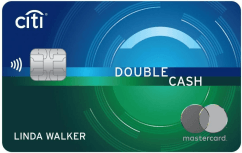
Citi Double Cash® Card
Intro APR:0% for 18 months on Balance Transfers
Ongoing APR:18.24% - 28.49% (Variable)
Annual Fee:$0
Citi® Diamond Preferred® Card
Intro APR:0% for 21 months on Balance Transfers and 12 months on Purchases
Ongoing APR:16.49% - 27.24% (Variable)
Annual Fee:$0
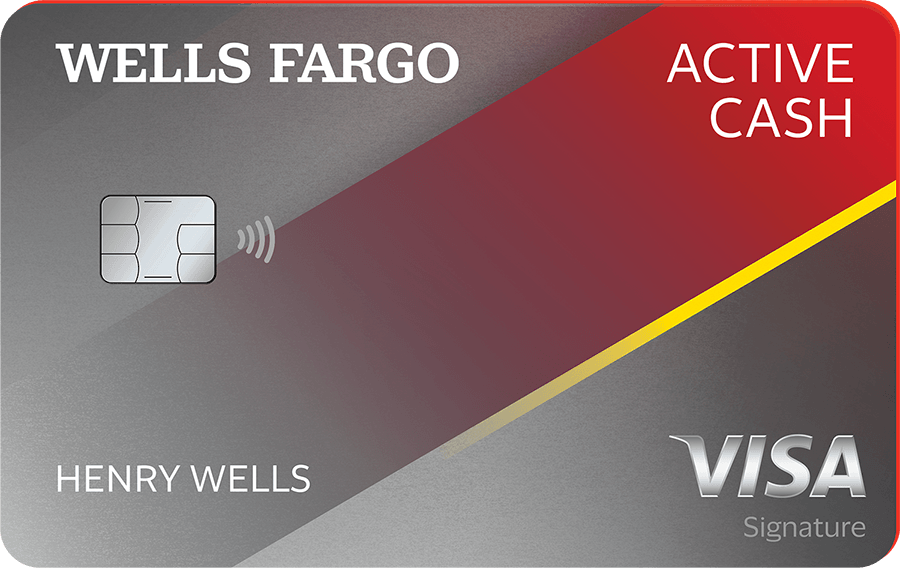
Wells Fargo Active Cash® Card
Intro APR:0% intro APR for 12 months from account opening on purchases and qualifying balance transfers
Ongoing APR:18.74%, 24.74%, or 28.74% Variable APR
Annual Fee:$0
Blue Cash Preferred® Card from American Express
Intro APR:0% on Purchases and Balance Transfers for 12 months
Ongoing APR:19.74%-28.74% Variable
Annual Fee:$0 intro annual fee for the first year, then $95.
American Airlines AAdvantage® MileUp® Card
Intro APR:0% for 15 months on Balance Transfers
Ongoing APR:19.49% - 29.49% (Variable)
Annual Fee:$0
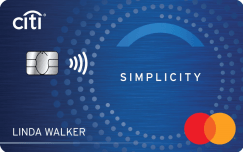
Citi Simplicity® Card
Intro APR:0% intro APR for 18 months from account opening on purchases and qualifying balance transfers
Ongoing APR:17.49% - 28.24% (Variable)
Annual Fee:$0

Ollo Everyday Rewards
Ongoing APR:23.99%-29.99% Variable
Annual Fee:$0
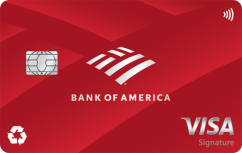
Bank of America® Customized Cash Rewards credit card
Intro APR:0% Intro APR for 15 billing cycles for purchases, and for any balance transfers made in the first 60 days
Ongoing APR:17.49% - 27.49% Variable
Annual Fee:$0
See all our best balance transfer credit cards for 2026.
Focusing on your credit card debts does not mean you should delay or skip your car payments. Always be sure to make at least the minimum monthly payment for your car loan and any other debts you have by their due date each month. You can also schedule automatic payments to ensure you never miss. (Just be sure to use an account with a high enough balance to avoid overdrafts.)
If you don't pay your debts on time, you could default on your loan and see your car repossessed. Missing car payments—or any debt payments, for that matter—can also hurt your credit score.
Learn more: Can One 30-Day Late Payment Hurt Your Credit?
Paying off your credit cards before your car loan is a good general guideline to follow, but there are always exceptions to the rule. And in some cases, doing the opposite may actually be best for your finances.
If your car loan balance is very small, for instance, paying that off first may be your best choice.
Example: Say you only have $1,000 left on your car loan but carry $10,000 in credit card debt. In this case, it may be more psychologically helpful to eliminate that smaller debt completely before focusing on another. (You can then redirect your monthly car payment amount toward your credit cards, hopefully accelerating your payoff timeline.)
Another reason you might want to eliminate your auto loan is so that you can own your car outright, which can make it easier to sell or trade in your vehicle. You may also be able to remove certain insurance coverages required by your lender, which would reduce your auto insurance premiums.
Tip: If you do opt to pay off your car loan first, make sure there are no prepayment penalties for doing so. Some lenders charge these fees for paying off your loan balance too quickly after taking it out.
Learn more: How Much Does a Prepayment Penalty Cost?
It's important to have a clear picture of all your debts—credit cards, car loans and more—before deciding where to focus your payoff efforts. Get your free credit report from Experian, and view your debts in one convenient place today. Then, you can start making a plan to pay off your debt most effectively.
Your free credit report lists all your debts, such as credit card balances and loans, helping you create a plan to tackle your debt and improve your financial health.
Review your credit
Aly J. Yale
Aly J. Yale is a writer and editor based in Houston. Over the past 15 years, she has covered personal finance, mortgages, real estate, investing, insurance, credit cards and lending, among other financial topics.
Read more from Aly J.