 By Ben Luthi
 Edited by Peggy BennettBy Ben LuthiEdited by Peggy Bennett


A lender may deny your credit application if you have little or no credit history because they don't have enough information to assess how you've handled credit in the past. But a lack of credit history isn't the same as having bad credit, and you can start building a history right away.
Read on to learn about what it means to have no credit history, why it affects your approval odds and the steps you can take to build credit from scratch.
A credit history is a record of how you've handled credit accounts, which the three national credit bureaus (Experian, TransUnion and Equifax) maintain in your credit reports. Not having a credit history means that the bureaus have no records of your borrowing.
It's common for young adults to have no credit history, and the same goes for immigrants because credit accounts held in other countries don't carry over to consumer credit reports in the U.S.
But having no credit history doesn't mean you have a credit score of zero. The most widely used credit scoring models—FICO and VantageScore®—use a range of 300 to 850. In both cases, you need at least one credit account (such as a loan or credit card) reporting to the credit bureaus for a minimum amount of time to receive a score. Once you have a credit report and score, you're building a credit history.
No credit and bad credit are both reasons for lenders to be wary, but for different reasons:
It can be difficult to rebuild bad credit history because negative marks stay on your reports for up to seven years (or 10 years with a Chapter 7 bankruptcy). In contrast, no credit history means you have a clean slate and can start establishing a positive track record in a matter of months.
Learn more: Is No Credit Better Than Bad Credit?
If you have no credit history or even a limited credit history, some lenders may be unwilling to approve an application for a loan because there isn't enough information to judge how likely you are to repay.
That said, approval isn't determined solely by whether someone has a credit score. Each lender has its own approach to evaluating borrowers, and some lenders are more willing to work with people who have no credit history or a thin credit file. In fact, some may even look at other areas of your finances, such as how you manage your checking account, to assess your credit risk.
Credit bureaus collect information from creditors to create and maintain your credit reports, and credit scores are calculated based on the information in those reports.
If your report doesn't contain enough eligible information, it may not be sufficient to produce every type of credit score.
For example, you can receive a VantageScore credit score as soon as your first credit account is reported to the credit bureaus. But with FICO, you need at least one account reporting for six months before it will generate a score.
Whether you have a credit score can also vary between the credit bureaus because lenders are not required to report your activity to all three bureaus. If an account only appears on one or two of your credit reports, you may only have a credit score if a lender pulls those reports.
Experian offers free access to your FICO® ScoreΘ powered by Experian data, and many banks, credit unions and other lenders provide scores to their customers as a benefit. That said, if you don't have enough information in the report used to generate a score, you might not yet have a score.
Note that you can also check your Experian credit report for free anytime, and you can get free weekly reports from all three credit bureaus at AnnualCreditReport.com.
Learn more: Is AnnualCreditReport.com Safe?
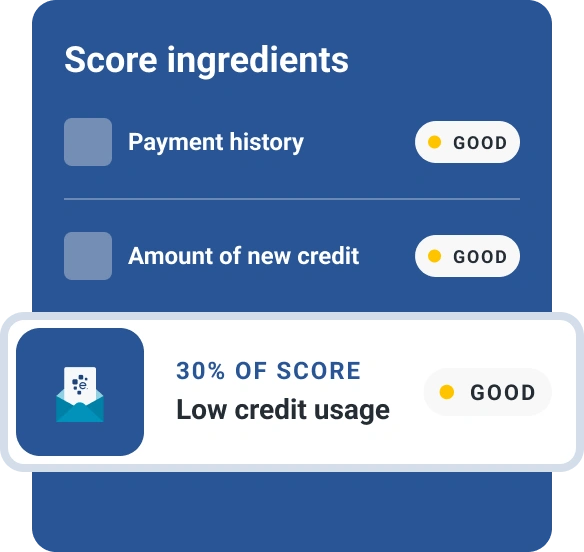
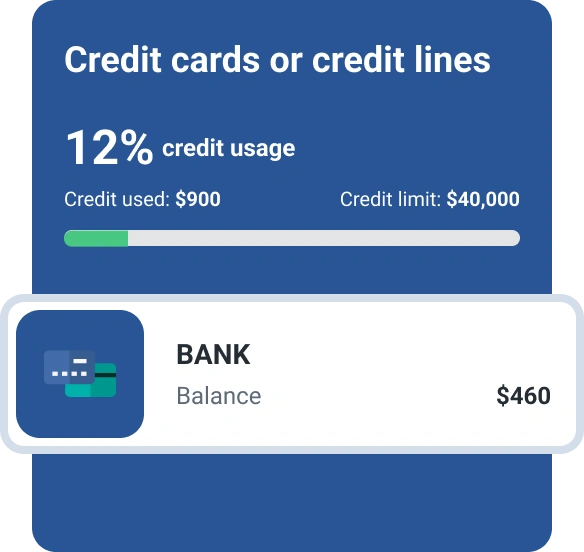
Better understand your creditworthiness with an overview of your total debt.
Check for any changes with customized alerts and an updated report daily.
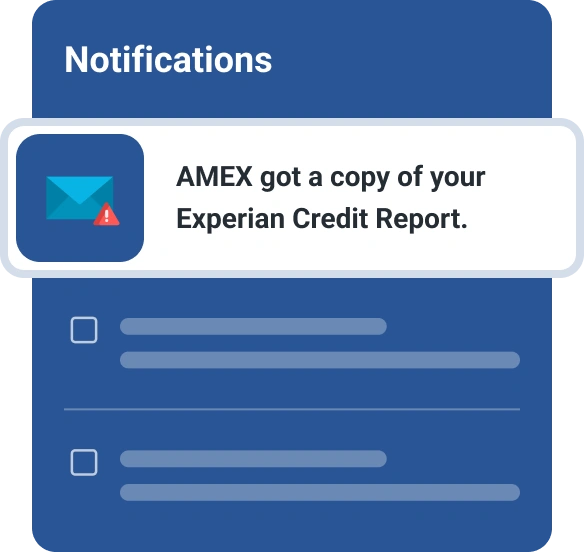
Reviewing your credit report can help you spot potential fraud or identity theft.
You can start building your credit history with just a single account reporting to the credit bureaus. Here are some steps you can take:
Tip: Before you apply for a secured credit card or a credit-builder loan, confirm with the lender that it reports to all three credit bureaus. Some of these providers may only report to one or two bureaus, which will make it hard to establish a robust credit history.
When you open a new credit account, it typically takes a month or two for the lender to report it to the credit bureaus. As previously mentioned, you can get a VantageScore credit score as soon as you have a single tradeline on your credit reports, though it takes at least six months of activity for a FICO® Score.
But don't expect your first credit score to be high. Establishing a good credit history requires showing that you can responsibly manage multiple credit accounts over time—in some cases, years.
As you work to build and maintain good credit, you'll have more opportunities with loans and credit cards that offer better terms and benefits.
A lack of credit history can stand in the way of an approval, but it's a problem you can solve with the right steps. A secured credit card, credit-builder loan or authorized user account can help you get started, and on-time payments can help you build your credit profile from there.
If you're completely new to credit, Experian Go™ can help you establish a credit profile, track your progress, learn more about how credit works and provide insights that could help you begin building your credit history.
Learn what it takes to achieve a good credit score. Review your FICO® Score for free and see what’s helping and hurting your score.
Get your FICO® ScoreNo credit card required

Ben Luthi