
 Edited by Samuel Mountjoy
Is There a Limit on Balance Transfers?
Edited by Samuel Mountjoy
Quick Answer
The amount of debt you can move to a balance transfer credit card depends on the issuer’s policies and your own creditworthiness. The balance transfer limit is generally equal to or less than your credit limit.

Your balance transfer limit depends on a few factors, including the credit card issuer's policies and your credit score. Here's why: The credit limit you receive on your new balance transfer credit card partially depends on your creditworthiness, including your debt payment history and total outstanding debt. Certain issuers may then limit the amount you can transfer to the new card to a percentage of your overall credit limit, depending on their policies.
Read on for more about the limitations you may encounter when making a balance transfer, and alternatives that could work for you.
How Do Balance Transfers Work?
A balance transfer allows you to move existing debt to a credit card that has a lower interest rate. It's most beneficial when the credit card offers an introductory 0% annual percentage rate (APR) on transferred balances.
When a request to transfer a balance from one credit card to another is approved, your new card issuer will send a payment for the amount to be transferred to the original credit card issuer. You may also be able to use a balance transfer check or transfer a balance to your checking account to pay down cards or other types of debt, like loans. The balance will now appear on your new credit card, plus a balance transfer fee of 3% to 5% of the amount you transferred to the card. The balance will accrue interest based on your balance transfer APR.
It's common to receive a balance transfer offer with a 0% intro APR when you open a new balance transfer credit card. One of your existing card issuers may also periodically grant you a balance transfer offer, though it may not be at that low rate. It's typically not possible to transfer a balance between cards from the same issuer.
Best balance transfer cards of 2026
Compare balance transfer offers from our partners with 0% APRs and generous introductory periods.
Offers from our partners
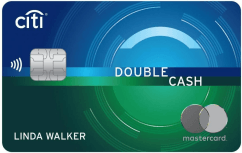
Citi Double Cash® Card
Intro bonus:
$200
Earn $200 cash back after you spend $1,500 on purchases in the first 6 months of account opening. This bonus offer will be fulfilled as 20,000 ThankYou® Points, which can be redeemed for $200 cash back.
Intro APR:0% for 18 months on Balance Transfers
Ongoing APR:18.49% - 28.74% (Variable)
Rewards:
2% (cash back)
Earn 2% on every purchase with unlimited 1% cash back when you buy, plus an additional 1% as you pay for those purchases. To earn cash back, pay at least the minimum due on time. Plus, earn 5% total cash back on hotel, car rentals and attractions booked with Citi Travel.
Annual Fee:$0
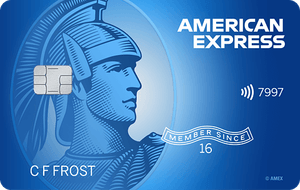
Blue Cash Everyday® Card from American Express
Intro bonus:
As High As $200 Cash Back. Find Out Your Offer.
You may be eligible for as high as $200 cash back after spending $2,000 in purchases on your new Card in the first 6 months. Welcome offers vary and you may not be eligible for an offer. Cash back is received as Reward Dollars, redeemable for statement credit or at Amazon.com checkout. Terms Apply.
Intro APR:0% on Purchases and Balance Transfers for 15 months
Ongoing APR:19.74%-28.74% Variable
Rewards:
1% - 3% (cash back)
Earn 3% cash back at U.S. supermarkets, 3% cash back on U.S. online retail purchases, 3% cash back at U.S. gas stations, on eligible purchases for each category on up to $6,000 per year in purchases (then 1%). Cash back is received in the form of Reward Dollars that can be redeemed as a statement credit and at Amazon.com checkout.
Annual Fee:$0
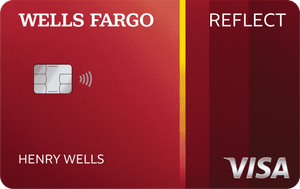
Wells Fargo Reflect® Card
Intro APR:0% intro APR for 21 months from account opening on purchases and qualifying balance transfers
Ongoing APR:17.74%, 24.24%, or 28.49% Variable APR
Rewards:
N/A
Annual Fee:$0
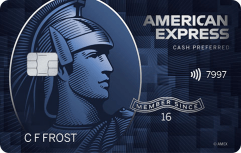
Blue Cash Preferred® Card from American Express
Intro bonus:
As High As $300 Cash Back. Find Out Your Offer.
You may be eligible for as high as $300 cash back after spending $3,000 in purchases on your new Card in the first 6 months. Welcome offers vary and you may not be eligible for an offer. Cash back is received as Reward Dollars, redeemable for statement credit or at Amazon.com checkout. Terms Apply.
Intro APR:0% on Purchases and Balance Transfers for 12 months
Ongoing APR:19.74%-28.74% Variable
Rewards:
1% - 6% (cash back)
Earn 6% cash back at U.S. supermarkets on up to $6,000 per year in eligible purchases (then 1%), 6% cash back on select U.S. streaming subscriptions, 3% cash back at eligible U.S. gas stations and on transit (including taxis/rideshare, parking, tolls, trains, buses and more) purchases and 1% cash back on other purchases. Cash Back is received in the form of Reward Dollars that can be redeemed as a statement credit and at Amazon.com checkout.
Annual Fee:$0 intro annual fee for the first year, then $95.
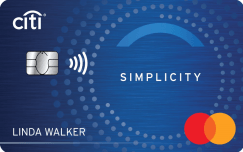
Citi Simplicity® Card
Intro APR:0% intro APR for 18 months from account opening on purchases and qualifying balance transfers
Ongoing APR:17.74% - 28.49% (Variable)
Rewards:
N/A
Annual Fee:$0

Ollo Everyday Rewards
Ongoing APR:23.99%-29.99% Variable
Rewards:
1% - 3% (cash back)
Unlimited 3% cash back on all gas stations and EV charging stations, grocery store and drugstore purchases. Unlimited 1% cash back on all other purchases.
Annual Fee:$0

Bank of America® Customized Cash Rewards credit card
Intro APR:0% Intro APR for 15 billing cycles for purchases, and for any balance transfers made in the first 60 days
Ongoing APR:17.74% - 27.74% Variable
Rewards:
1% - 6% (cash back)
Earn 6% cash back for the first year in the category of your choice. You’ll automatically earn 2% cash back at grocery stores and wholesale clubs, and unlimited 1% cash back on all other purchases. After the first year from account opening, you’ll earn 3% cash back on purchases in your choice category. Earn 6% and 2% cash back on the first $2,500 in combined purchases each quarter in the choice category, and at grocery stores and wholesale clubs, then earn unlimited 1% thereafter. After the 3% first-year bonus offer ends, you will earn 3% and 2% cash back on these purchases up to the quarterly maximum.
Annual Fee:$0
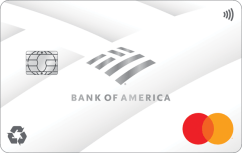
BankAmericard® credit card
Intro APR:0% Intro APR for 21 billing cycles for purchases, and for any balance transfers made in the first 60 days
Ongoing APR:15.24% - 26.24% Variable
Rewards:
N/A
Annual Fee:$0
See all our best balance transfer credit cards for 2026.
What's the Maximum Balance Transfer You Can Do?
The amount of money you can transfer will depend on the credit card issuer's policies and the specific card's terms and conditions.
A major contributor to your maximum balance transfer will be the card's credit limit, which the issuer determines based on your credit history, credit score, income, outstanding debt and other factors. The maximum amount you can transfer may be equal to the card's credit limit, minus any existing balance already on the card and any balance transfer fees.
Alternatively, card issuers may give you a lower balance transfer limit, which could be based on your creditworthiness or the card's policies. Some card issuers also have a general balance transfer limit, such as $15,000 in a 30-day period or 75% of your credit limit on the card.
How Many Balance Transfers Can I Do on One Card?
Generally, there's no limit to the number of balance transfers you can do. But you'll be limited by the maximum amount you can transfer to a single card or within a certain time frame.
For example, while you can transfer several balances to a new balance transfer credit card, you can't transfer more than either the credit limit or the lower balance transfer limit. It's also important to remember that you'll pay a balance transfer fee for each balance you move to the card. Transferring multiple balances will mean paying multiple fees, which will also reduce the amount you can transfer to the card.
What to Do if Your Credit Limit Is Too Low
If you receive a credit limit or balance transfer limit that is too low to allow for the transfer you've planned, consider these options:
- Request a credit limit increase. Start by asking the issuer for a larger credit limit. If any of your circumstances have changed since you first applied for the card—perhaps you've added an income source or paid down debt—let them know. You may also have more success requesting a credit limit increase if your credit score improves.
- Apply for another card. You can also apply for another balance transfer card to make it possible to transfer more debt. Remember that you won't be able to transfer debt from one card to another provided by the same issuer, and credit card applications can lead to a temporary dip in your credit score.
- Transfer only some of your debt. Paying off some debt at a 0% intro APR is better than none. Consider moving just your highest-rate debt to the balance transfer card and choosing a different payoff plan for the rest.
- Look for a card with lower fees. A balance transfer card that charges a 5% balance transfer fee will give you less room for transferred debt than one that charges 3%. If you're right on the edge of maxing out your balance transfer limit, go for the card with the lowest fees possible.
What Credit Score Do You Need for a Balance Transfer?
If you're applying for a new balance transfer card, you typically need a credit score of 670 or higher to get approved for a card with a 0% intro APR offer.
Your credit score can also impact your card's credit limit and balance transfer limit. So, even if you're approved, you might not be able to transfer a large balance if you have bad credit. While you could transfer a debt, pay it down and then transfer another, you may only get the promotional APR for transfers that you complete within a specific period after opening the new card.
Should I Do a Balance Transfer?
A balance transfer could be a good option if you're working to pay down high-interest debt and can qualify for a card with a low APR offer and a high balance transfer limit.
If you have a promotional 0% APR balance transfer offer and can pay off the balance before the promotional period ends, you won't pay any interest on your transferred balances. That could mean a substantial amount of interest savings.
But if you're not able to pay off the transferred amount by the end of the promotional period, the remaining balance will accrue interest based on your standard balance transfer APR, which is often the same as your purchase APR. Consider how realistic it is for you to pay off the transferred balance by the end of the promotional period before moving forward.
Learn more: Pros and Cons of Balance Transfer Cards
Alternatives to a Balance Transfer
There are many effective strategies for paying off debt. If a balance transfer doesn't make sense for you, try these alternatives:
- Debt consolidation: Use a debt consolidation loan, a type of personal loan, to pay off and consolidate debts. While you won't receive a 0% intro APR offer, you might be able to get a lower interest rate, fixed monthly payment and a specific payoff date to look forward to.
- Debt snowball or avalanche method: Rather than taking out new loans or moving your debt around, you could strategically pay off your current accounts. The debt snowball method involves paying off the debt with the lowest balance first, which can be motivating. The debt avalanche strategy is when you pay off the balance with the highest interest rate first, which can save you the most money overall.
- Debt management plan: If you're struggling to budget and afford your monthly bills, consider meeting with a certified nonprofit credit counselor to discuss your options. The counselor may offer to enroll you in a debt management plan (DMP), which can lower your credit cards' interest rates or payments and help you pay off the balances within three to five years. But there are some big drawbacks to a DMP, including the fact that you'll likely have to close the cards you're paying off during this time.
The Bottom Line
A balance transfer can be a savvy way to save on interest while paying off debt. If you're considering a balance transfer card, check your credit scores first to see if you'll qualify, and whether you may encounter challenges getting a high enough credit limit.
You can get free credit score monitoring when you sign up for an Experian account. Experian's card comparison tool can also help you compare balance transfer offers so you can get the best deal.
Best balance transfer cards
Need to consolidate debt and save on interest? See if you qualify for intro offers like 0% intro APR up to 21 months based on your FICO® Score.
See your offers
About the author

Brianna McGurran
Brianna McGurran is a freelance journalist and writing teacher based in Brooklyn, New York. Most recently, she was a staff writer and spokesperson at the personal finance website NerdWallet, where she wrote "Ask Brianna," a financial advice column syndicated by the Associated Press.
Read more from Brianna