
 Edited by Samuel Mountjoy
Can You Negotiate Rent?
Edited by Samuel Mountjoy
Quick Answer
If you want a deal on your next rental, you may be able to negotiate with your landlord. But be prepared to make some concessions in exchange for cheaper rent, especially in competitive rental markets.

It's possible to negotiate your rent, but it may not be easy. To improve your odds of successful negotiation, it's important to understand the local market, what you're willing to settle for and concessions you may be able to offer. Here's a closer look at steps you can take to get prepared for the conversation.
Can I Negotiate Apartment Rent?
Negotiating your rent is possible. But getting your landlord to lower your rent depends on many factors, including the local rental market, available rental inventory, housing costs and the type of landlord you have.
For example, discounts may be harder to come by in competitive markets where rents are rising and inventory is limited. If you want to rent from a property management company or real estate investment trust (REIT), rental rates are typically fixed.
However, you may be able to negotiate with a private landlord. Being an existing tenant up for renewal might also work in your favor, unless your landlord finds a tenant willing to pay market rates.
How to Negotiate Rent
The best way to negotiate your rent is to approach the process like any other type of business negotiation. Here are some strategies that can help you prepare for the conversation.
1. Do Your Research
Before you can negotiate your rent, it's important to understand the going rate for apartments in your area. This helps you know the average cost of similar apartments so you can see how your rent compares and provides a starting point for the negotiations.
For example, if your landlord is asking $200 more than the market rate for units like yours, you might be able to negotiate a lower rent. But if the price is on par with the going rate or lower, your landlord may be less willing to negotiate on price.
Here's some tips to get to know your market:
- Compare prices in various neighborhoods. Check rental listings in a few different areas to see going rates. Include rental properties from both private landlords and property management companies in your research.
- Look at pricing from different sources. Compare online rental listings and property management listings, and talk with local real estate agents.
- Consider other factors besides price. Look beyond the monthly rent for included amenities like parking, fitness center, storage, in-unit laundry and utilities. Note any fees, like monthly pet charges.
- Watch the market. Check listings regularly to see how quickly inventory is moving in the area. Are units renting quickly or lingering for weeks? A slow market may give you more room to negotiate.
2. Get the Timing Right
The best time to negotiate your rent depends on your personal situation. For instance, if your lease is up for renewal, you likely only have a short window to sign a new lease. So you'll need to speak to your landlord before the paperwork is due back if you plan to negotiate.
When negotiating a new lease, it may be easier to snag a deal when the rental market is slow. For example, if rentals move slower during the winter months, landlords may be willing to make concessions on price to bring in new tenants. But if you try to rent when the market is hot, discounts may be harder to come by.
3. Meet in Person
You may be tempted to negotiate your rent by email or text. But an in-person meeting could help the conversation go more favorably. If possible, reach out to your landlord to schedule a face-to-face appointment to discuss the rent.
New tenants may want to schedule a conversation with the landlord after taking a tour of the unit and doing some market research. And if you're renewing a rental, it's important to sit down with your landlord before the deadline to sign your new lease.
4. Show You're a Low-Risk Tenant
Landlords and property management companies look at many different factors when evaluating rental applications, like your credit history and previous rental experiences. Demonstrating that you are a low-risk tenant can give you more negotiating power.
Here are some ideas to consider:
- Highlight your qualifications. Some of the ways you can stand out as a more responsible tenant include showing a solid employment history, having excellent credit or carrying extra renters insurance.
- Get reference letters. If you've rented before, consider submitting reference letters from past landlords or neighbors. You can also include your own letter that lets the landlord know why you're the best fit.
- Tell them about your lifestyle. Maybe you travel often and don't plan to be home much. This could make you an ideal tenant if you're sharing an owner-occupied duplex and they like it quiet. Or working from home could be a plus for a landlord that prefers a regularly occupied apartment to lower the risk for theft or vandalism.
Learn more: How Much Renters Insurance Do I Need?
5. Consider Concessions
Successful rent negotiations need to benefit both you and the landlord, so you may have to make some sacrifices as part of the deal. When negotiating, consider what you may be able to bring to the table in exchange for discounted rent and what concessions you're willing to offer.
Here are some ideas:
- Sign a longer lease. Long-term tenants mean less turnover costs for landlords, like cleaning, painting, advertising and credit check fees. Try to aim for a 12-month lease and avoid renting month-to-month or signing a six-month lease. In some cases you may be able to negotiate an 18-month lease or longer for even more savings.
- Pay in advance. You may be able to get a lower rent by paying for more than one month upfront, or even the full year. If you can financially swing it, ask the landlord if they'd offer any kind of discount for prepayment.
- Exchange work for a discount. Some landlords may give you a free month's rent or lower rent if you're willing to perform maintenance on the apartment. When negotiating, try offering to repaint the apartment, perform minor renovations, handle repairs or take care of lawn care or snow removal in exchange for a discount.
How to Deal With Landlord Rejection
It's not always possible to negotiate how much you pay for rent. But if a landlord rejects your attempt at getting a lower rent, you still have some options that could help you save.
- Ask for landlord concessions. If the rental unit isn't quite up to par for the asking price, ask the landlord to make some updates. From new carpets to appliances, you may be able to get something in return for paying full price.
- Find a different place. If you're already in a place you love, but can't afford the renewal rent rate, you may be able to find a cheaper place elsewhere as a new tenant. Just be sure to budget for any upfront costs, like security deposits and moving expenses, when comparing prices.
- Consider a roommate. If you're struggling to afford a rental on your own, splitting the cost with a roommate can help you save. Not all leases allow roommates, so it's a good idea to check with your landlord first.
How Paying Rent Can Boost Your Credit
Your payment history makes up 35% of your FICO® ScoreΘ. So paying rent on time can help boost your credit if your rent payments appear on your credit reports. However, many landlords don't report rental payments to the credit bureaus.
Even if your on-time payments aren't reported, you may be able to use Experian Boost®ø to add your rent payments to your Experian credit report for free. Get started with Experian Boost and see if your rent payments can help improve your credit score.
Learn more: Can Late Rent Payments Hurt My Credit Score?
Instantly raise your credit scoresø
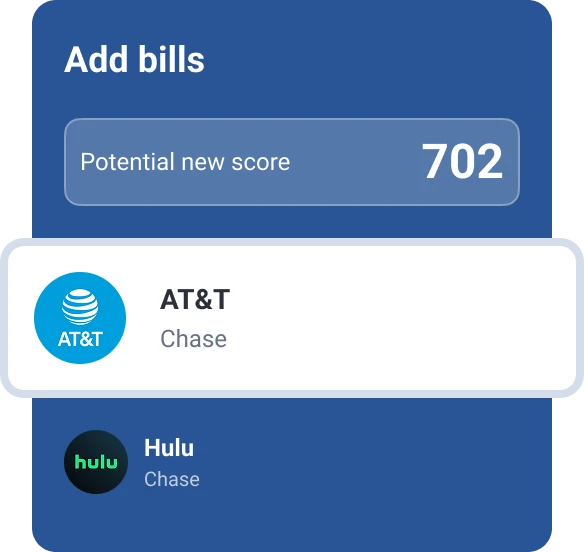
Add any bank accounts you use to pay your bills. Your information remains private.

We’ll detect bills with on-time payments, and you can add them to your Experian credit file.
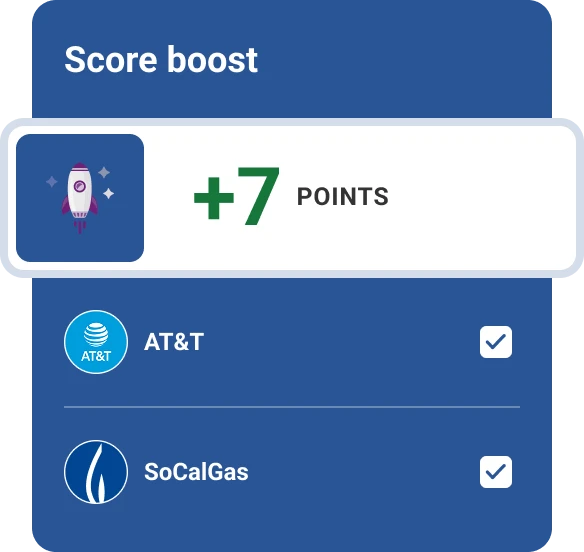
You’ll find out right away if your credit scores increased and by how many points.
Frequently Asked Questions
The Bottom Line
Getting a deal on rent isn't always easy, but with rental rates on the rise in many areas, it might be worth trying to negotiate. You may have to make some concessions or your landlord could refuse to negotiate, but you won't know unless you ask.
It's also a good idea to monitor your credit since landlords often consider credit history when evaluating tenants. With Experian's free credit monitoring service you can get updates on your credit in real-time alerts when changes are made to your Experian credit report.
Instantly raise your FICO® Score for free
Use Experian Boost® to get credit for the bills you already pay like utilities, mobile phone, video streaming services and now rent.
No credit card required

About the author

Sarah Archambault
Sarah Archambault is a personal finance writer and editor who enjoys helping others figure out how to make smart financial decisions. She’s an expert in credit education, auto finance, banking, personal loans, insurance and credit cards.
Read more from Sarah