
5 Ways to Make the Most of Your Balance Transfer Card

Why pay interest when you don't have to? Your new balance transfer card can help you tackle your debt and might help you save quite a bit of cash along the way.
Balance transfer cards give people with high interest credit card debt the ability to roll that debt over to a new card and pay less interest or no interest for a set period of time. Depending on the offer you were approved for, these cards come with introductory low annual percentage rates (APRs) or may even offer 0% APR for a certain number of months.
Transferring your existing credit card debt during this window can help you get on top of your bills and could save you money over time. But remember, balance transfer offers are typically not indefinite—they usually restrict the low or no interest rate to a set period. That means you'll need to act quickly to get the maximum benefit from your offer. Follow this guide to make the most of your new card:
1. Take an inventory of all your existing credit card debt.
Before transferring anything to your new card, make a list of all your existing credit card balances and the APRs associated with each account. This will help you understand how much total debt you have and identify which balances you want to transfer first. Depending on the terms of your new balance transfer card, you may not be able to transfer all of your existing credit card debt. Transfer the debt with the highest APR first so you can maximize your savings. Then transfer as much of the remaining balances as you think you can pay off during the offer period, starting with the accounts that have the highest APRs and working down from there.
2. Make sure you understand the terms and conditions of your new card.
Terms and conditions can vary from card to card, so dig into the details to make sure you're using your card properly. First, you need to know what your APR is, both for balance transfers and new purchases. These rates may differ, and knowing each could help you save money. Just because a card has a 0% APR on balance transfers doesn't mean it has a 0% APR on purchases. And vice versa.
Also, consider not using your card for new purchases. If you dig into the terms, some balance transfer cards actually specify that if you transfer a balance, any new purchases you make will be charged interest unless you have a special 0% APR offer on purchases. Even if you pay your new purchases in full before the end of the month, some cards will still charge you interest unless you pay your entire balance (including the balance transfer) before the end of that pay period.
Finally, look for any fees associated with transferring balances. Balance transfer cards typically charge a fee of 3% to 5% on the transfer amount, with some stipulating a minimum charge, such as $20.
You could lose your introductory rate in certain circumstances, such as paying your bill more than 30 days past the due date, so read the terms and conditions thoroughly before you begin using your new card.
Best balance transfer cards of 2026
Compare balance transfer offers from our partners with 0% APRs and generous introductory periods.
Offers from our partners
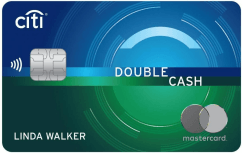
Citi Double Cash® Card
Intro APR:0% for 18 months on Balance Transfers
Ongoing APR:18.24% - 28.49% (Variable)
Annual Fee:$0
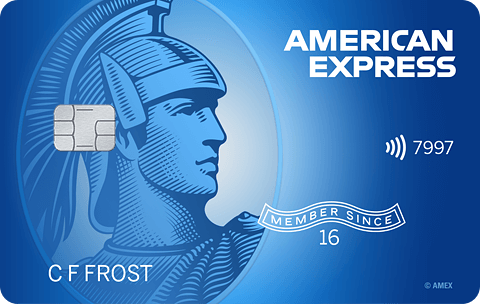
Blue Cash Everyday® Card from American Express
Intro APR:0% on Purchases and Balance Transfers for 15 months
Ongoing APR:19.49%-28.49% Variable
Annual Fee:$0
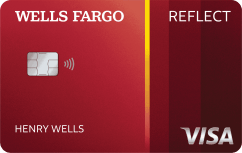
Wells Fargo Reflect® Card
Intro APR:0% intro APR for 21 months from account opening on purchases and qualifying balance transfers
Ongoing APR:17.49%, 23.99%, or 28.24% Variable APR
Annual Fee:$0
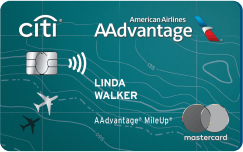
American Airlines AAdvantage® MileUp® Card
Intro APR:0% for 15 months on Balance Transfers
Ongoing APR:19.49% - 29.49% (Variable)
Annual Fee:$0

Citi Simplicity® Card
Intro APR:0% intro APR for 18 months from account opening on purchases and qualifying balance transfers
Ongoing APR:17.49% - 28.24% (Variable)
Annual Fee:$0

Ollo Everyday Rewards
Ongoing APR:23.99%-29.99% Variable
Annual Fee:$0
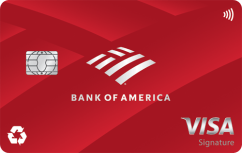
Bank of America® Customized Cash Rewards credit card
Intro APR:0% Intro APR for 15 billing cycles for purchases, and for any balance transfers made in the first 60 days
Ongoing APR:17.49% - 27.49% Variable
Annual Fee:$0
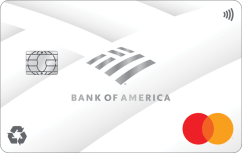
BankAmericard® credit card
Intro APR:0% Intro APR for 21 billing cycles for purchases, and for any balance transfers made in the first 60 days
Ongoing APR:14.99% - 25.99% Variable
Annual Fee:$0
See all our best balance transfer credit cards for 2026.
3. Establish a repayment plan.
Once you've transferred balances to your new card, make a plan outlining how you'll get rid of the debt. Try to base your plan on how much time your new card allows you to carry an interest-free balance. If your card offers 12 months of 0% APR, for example, you might want to calculate how much you would have to pay each month to pay off your debt within the 12-month period. Check the details of your card agreement before crafting a plan.
If you're strapped for cash, pay what you can afford as long as it satisfies the card's monthly minimum. The bottom line: The more money you can throw at your debt each month, the faster it will go away.
4. Make all your payments on time.
Payment history is the most important aspect of your credit score, and even one late or missed payment can have an impact on your score. Missing payments can also set back your repayment plan and cause you to incur costly late fees.
In addition, missing a payment could actually endanger the APR benefit that led you to get the card in the first place. Depending on the card, a "penalty APR" may be assigned, and your reduced APR could disappear. Make all your payments on time and be sure to check the terms of your card agreement so you know what to expect if you miss a payment.
5. Don't close your other cards after you've transferred your balances.
Once you've transferred your balances to the new card, think twice before closing your other credit cards. Closing a credit account can reduce your credit history, which can impact your credit scores. It can also cause your credit utilization ratio to increase because you may be using a higher percentage of your available credit with fewer cards—another factor that might lower your credit scores. Unless you are having trouble affording the annual fees, try keeping your credit accounts open—but not using them.
Balance transfer credit cards can offer a great way to help you pay off debt while also saving you money, as long as you use them wisely. Balance transfer credit cards can offer a great way to help you pay off debt while also saving you money, as long as you use them wisely.
Best balance transfer cards
Need to consolidate debt and save on interest? See if you qualify for intro offers like 0% intro APR up to 21 months based on your FICO® Score.
See your offers
About the author

Stefan Lembo Stolba
Stefan Lembo-Stolba leads Experian Consumer Service's data research on Ask Experian, publishing insights based on Experian's credit data of over 220 million U.S. consumers.
Read more from Stefan Lembo