
 By Ben Luthi
5 Steps to Take When Your Credit Card Changes Issuers
By Ben Luthi
From time to time, credit cards may switch from one card issuer to another. When this happens, you'll typically get a notice in the mail, and it's important to understand how the change can impact you and your account.
It's common for card issuers to change with co-branded retail, airline and hotel credit cards, but it can also happen with other cards. For example, Costco didn't renew its partnership with American Express, preferring lower fees from Visa, and Citi began issuing the wholesale club's flagship card. Fidelity and Walmart are other major companies that have switched from one card issuer to another.
Regardless of the reasons for the switch, here are five steps you can take if you've learned that you're getting a new issuer.
1. Understand When the Change Is Happening
You should receive a notice from your current or new credit card issuer letting you know that the switch is happening and when. This can give you the time you need to ensure that you're prepared for the change.
During this time, consider getting a backup credit card if you don't already have one. While the transition can go smoothly in a lot of cases, that's not always going to happen. When cardholders change, cards may get delayed or there could be issues activating the new card.
Having a backup card means you don't have to worry about interruptions in your everyday spending.
Best credit cards of 2026
Compare cards from our partners with intro bonuses, cash back or points offers, and annual fees as low as $0.
Offers from our partners
Reflex® Platinum Mastercard®
Ongoing APR:35.90% Fixed
Rewards:
N/A
Annual Fee:$75 - $125

Avant® Cashback Rewards Mastercard®
Ongoing APR:35.99%*
Rewards:
1% (cash back)
Cash back will be awarded as points redeemable for a statement credit
Annual Fee:$0*
Citi® / AAdvantage® Globe™ Mastercard®
Ongoing APR:19.74% - 29.74% (Variable)
Rewards:
1x - 6x (Miles per dollar)
Earn 6 AAdvantage® miles for every $1 spent on eligible hotels booked through aadvantagehotels.com. Earn 3 AAdvantage® miles for every $1 spent on eligible American Airlines purchases. Earn 2 AAdvantage® miles for every $1 spent at restaurants, including takeout and delivery. Earn 1 AAdvantage® miles for every $1 spent on all other purchases.
Annual Fee:$350
Marriott Bonvoy Brilliant® American Express® Card
Intro bonus:
100,000 Bonus Points
Earn 100,000 Marriott Bonvoy® bonus points after you use your new Card to make $6,000 in purchases within the first 6 months of Card Membership.
Ongoing APR:19.74%-28.74% Variable
Rewards:
2x - 6x (Points per dollar)
Earn 6X Marriott Bonvoy® points for each dollar of eligible purchases at hotels participating in Marriott Bonvoy. Earn 3X points at restaurants worldwide and on flights booked directly with airlines. Earn 2X points on all other eligible purchases.
Annual Fee:$650
Hilton Honors American Express Surpass® Card
Intro bonus:
130,000 Points
Earn 130,000 Bonus Points plus a Free Night Reward after you spend $3,000 in purchases on the Hilton Honors American Express Surpass® Card in the first 6 months of Card Membership. Offer ends 01/13/2027.
Ongoing APR:19.74%-28.74% Variable
Rewards:
3x - 12x (Points per dollar)
Earn 12X Hilton Honors Bonus Points for each dollar of eligible purchases charged on your Card directly with a hotel or resort within the Hilton portfolio. Earn 6X Hilton Honors Bonus Points for each dollar of eligible purchases on your Card at U.S. restaurants, at U.S. supermarkets, and at U.S. gas stations. Earn 4X Hilton Honors Bonus Points for each dollar of U.S. Online Retail purchases. Earn 3X Hilton Honors Bonus Points for all other eligible purchases on your Card.
Annual Fee:$150

Avant® Cashback Rewards Mastercard®
Ongoing APR:35.99%*
Rewards:
1% (cash back)
Cash back will be awarded as points redeemable for a statement credit
Annual Fee:$125 first year; then $125.04/year ($10.42/mo)
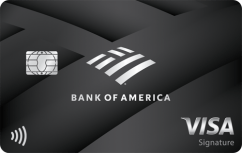
Bank of America® Premium Rewards® credit card
Ongoing APR:19.74% - 27.74% Variable
Rewards:
1.5x - 2x (Points per dollar)
2 points for every $1 spent on travel and dining purchases, 1.5 points for every $1 spent on all other purchases
Annual Fee:$95
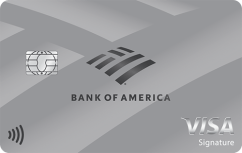
Bank of America® Unlimited Cash Rewards credit card
Intro APR:0% Intro APR for 15 billing cycles for purchases, and for any balance transfers made in the first 60 days
Ongoing APR:17.74% - 27.74% Variable
Rewards:
1.5% (cash back)
1.5% cash back on all purchases
Annual Fee:$0
See all our best credit cards for 2026.
2. Save Your Electronic Statements and Notices
Once the transition to the new card issuer is complete, you may lose access to the digital files in your account with the original card issuer.
If you rely on electronic statements and don't download them or print them out, you may have trouble deducting certain business and medical expenses on your tax return, and you may have a harder time keeping track of your budget for past months.
Before your card switches over to the new issuer, make sure you get a copy of all of your account statements and notices, and keep them in a safe place until you need them.
3. Make Sure the Rewards Transfer
If you have a rewards credit card, it's important to keep an eye on your rewards. If it's a co-branded card, such as an airline or hotel card, you won't need to worry about your existing balance because your points or miles are stored with the co-branded partner, not the card issuer.
However, you may want to review how many points or miles you should have earned on your recent purchases to ensure you get credit.
If the card's rewards are stored with the card issuer, take note of the balance so you can double-check once everything has been changed over to the new card issuer. If you don't want to worry about it at all, consider redeeming your rewards before the switch has been completed.
4. Set Up the New Card
Once you receive your new card in the mail, you'll need to activate it before you can use it. You'll also likely get a new account number, which means that if you use the card for recurring charges, you'll need to update the account information on your autopay accounts to avoid missing a payment.
This is crucial for utility accounts in particular because a missed payment could result in having your electricity, water or gas turned off.
5. Review Any New Features
Depending on the terms of the new partnership, you may have a new suite of benefits on your card—and you may also lose some. While certain terms, such as your annual fee and credit limit, will likely remain the same, other features might not.
For example, rewards earnings could change with the new card. Whereas you may have earned a higher percentage on dining out—and regularly used your card to earn those rewards—your new card may offer a reduced benefit or none at all.
Review the terms of the new card and how they differ from your old card, and decide whether or not you want to use the new card or if you want to get a new one for everyday use.
Check Your Credit Before Applying for Another Credit Card
If you're considering getting a new credit card because you don't like what the new issuer on an existing card offers, it's important to check your credit score before you apply. Most of the top rewards cards require good or excellent credit, which means a FICO® ScoreΘ of 670 or higher.
Use Experian's free credit monitoring tool to get free access to your FICO® Score and Experian credit report. If your score needs some work, take steps to improve it so you can get the type of credit card you want.
Don’t apply blindly
Apply for credit cards confidently with personalized offers based on your credit profile. Get started with your FICO® Score for free.
See your offers
About the author
Ben Luthi
Ben Luthi has worked in financial planning, banking and auto finance, and writes about all aspects of money. His work has appeared in Time, Success, USA Today, Credit Karma, NerdWallet, Wirecutter and more.
Read more from Ben