 By Evelyn Waugh
 Edited by Michelle TipswordBy Evelyn WaughEdited by Michelle Tipsword

Credit cards come with many benefits, but managing one is also a big responsibility. If you use it well, a credit card can help you build credit, have flexible payment options and potentially earn rewards on your spending. On the other hand, credit cards can also lead you into high-interest debt if you don't pay off the balance each month.
Ultimately, the decision of whether to get a credit card will come down to your personal financial situation and goals. Here's what you need to know.
Credit cards can help you build credit history, benefit from fraud protection and potentially earn rewards. Here's a breakdown of reasons to get a credit card:
Compare cards from our partners with intro bonuses, cash back or points offers, and annual fees as low as $0.
Offers from our partners
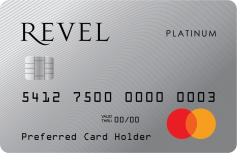
Revel® Platinum Mastercard®
Ongoing APR:35.90% Fixed
Annual Fee:$49 - $125
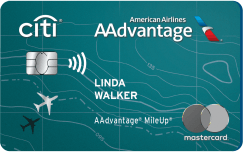
American Airlines AAdvantage® MileUp® Card
Intro APR:0% for 15 months on Balance Transfers
Ongoing APR:19.74% - 29.74% (Variable)
Annual Fee:$0

Avant® Mastercard®
Ongoing APR:29.99%*
Annual Fee:$0*
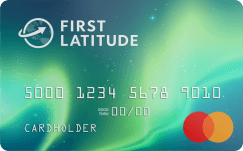
First Latitude Secured Mastercard® Cash Back Rewards
Ongoing APR:27.74% Variable
Annual Fee:$0

Avant® Cashback Rewards Mastercard®
Ongoing APR:35.99%*
Annual Fee:$39*
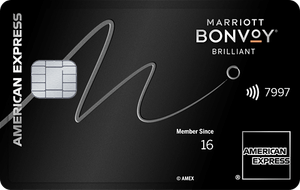
Marriott Bonvoy Brilliant® American Express® Card
Ongoing APR:19.74%-28.74% Variable
Annual Fee:$650
Marriott Bonvoy Bevy® American Express® Card
Ongoing APR:19.74%-28.74% Variable
Annual Fee:$250
Citi Simplicity® Card
Intro APR:0% intro APR for 18 months from account opening on purchases and qualifying balance transfers
Ongoing APR:17.74% - 28.49% (Variable)
Annual Fee:$0
See all our best credit cards for 2026.
Getting a credit card might be a good idea if you're confident you can manage your spending to avoid paying interest, and want the benefits credit cards offer. Here's when it may make sense.
If you have poor credit or a limited credit history, getting a credit card could help you build credit. To start, you'll need to pick a credit card that's a good fit for your credit profile—more on your options below.
From there, use your credit card for small purchases and pay off your balance in full each month to avoid paying interest. Be sure to pay on time, every time.
You may be able to get a credit card when you turn 18, and it can be a great way to enter the adult world of managing credit. Establishing credit can help you lower barriers to other milestones, such as renting an apartment on your own.
Note: If you're under 21, you'll need provable, independent income or a cosigner to qualify for a credit card.
If you're already confident in your ability to manage one credit card, you might decide to up your credit-building game with another. If you have good money management skills, a new card may be a way to lower your credit utilization and maximize your rewards.
Just be sure to proceed with caution. Opening another card could also put you at more risk of overspending.
Learn more: How Many Credit Cards Should I Have?
You should only open a line of credit if you're confident you can stick to a budget and pay the balance off each month. If you're short on cash and struggling to save, getting a credit card is risky business: It may feel like a quick fix when you're low on funds, but adding debt and the interest charges that come with it could hurt your financial situation.
Are you paying off debt? A balance transfer card may help you get out of debt faster and avoid losing money to interest. Keep in mind that balance transfer cards usually require a good or excellent credit score.
Learn more: Pros and Cons of Credit Cards
While there are numerous benefits linked to credit cards, they can hurt your credit and lead to debt if mismanaged or used for overspending. Here's when getting a credit card may be a bad idea:
Overspending on a credit card and incurring debt can put a lot of strain on your finances. Once you're in debt, getting out can be challenging. As of June 2026, the average credit card annual percentage rate (APR) was 19.22%, according to Curinos. When interest is accruing at a high rate, paying down your balance becomes more expensive.
A credit card could end up hurting your credit if you miss payments or max out the card. Credit card issuers report payment history and credit utilization ratio to the credit bureaus each billing cycle. That can help your credit score if you're keeping your utilization low and making on-time payments—or damage your score if you're not.
Annual fees, late payment fees, balance transfer fees, over-limit fees and more can quickly add up. You may be able to avoid many of these fees by managing your credit card responsibly. For example, you can avoid late fees by setting up autopay on your credit card, and you can avoid annual fees by opening a card that doesn't charge them.
Learn more: Mistakes to Avoid When Using a Credit Card
You may be able to get a credit card with no credit history, but you're more likely to qualify for an account designed specifically for building credit. Here are some options to consider if you have a low score or no credit accounts:
Learn more: How to Build Credit if You Have No Credit History
Using a credit card responsibly is one of the best ways to build a strong credit history—something that can help you score the most favorable rates on big loans for cars and mortgages, pay less for insurance, get access to more housing options and more. All in all, building good credit can save you money when you need to borrow down the road.
Before you decide to apply for a credit card, start by reviewing your credit report and FICO® ScoreΘ for free through Experian. You can also sign up for free credit monitoring, which has the added benefit of showing you personalized insights on actions to take to improve your credit.
Apply for credit cards confidently with personalized offers based on your credit profile. Get started with your FICO® Score for free.
See your offers
Evelyn Waugh
Evelyn Waugh is a personal finance writer covering credit, budgeting, saving and debt at Experian. She has reported on finance, real estate and consumer trends for a range of online and print publications.
Read more from Evelyn