
 Edited by Samuel Mountjoy
How to Make a Holiday Budget
Edited by Samuel Mountjoy
Quick Answer
You can make a holiday budget by looking over last year’s spending, considering all holiday expenses, setting spending limits, deciding how you’ll pay for expenses, finding ways to save, tracking spending and preparing for next holiday season.

Holiday spending can quickly become overwhelming if you aren't prepared. Between gifts, decorations, travel and entertaining, it's easy to overspend and rack up new debt.
A well-crafted holiday budget is your best defense. When done right, a budget can help you enjoy the season without breaking the bank. In that spirit, consider these seven holiday budgeting tips.
1. Review Last Year's Spending
Last year's holiday spending can be a good jumping-off point when making this year's budget. Start by looking back on your debit and credit card statements from last holiday season, which you should be able to pull up online. Seeing the numbers in black and white can help you clarify your spending habits—and set realistic expectations for this year.
Don't forget to account for inflation and tariffs. While inflation has gone down slightly, the price of consumer goods was up 3% from the same period last year, according to October 2025 data from the U.S. Bureau of Labor Statistics. Plus, businesses are now passing the cost of tariffs on to consumers, resulting in higher prices for goods. In other words, your holiday shopping might cost more this year.
Learn more: How to Financially Prepare for Tariff Price Increases
2. Consider All Holiday Expenses
You can't make a budget if you don't know your expenses.
Holiday spending can include:
- Gifts for friends and family, as well as presents for gift exchanges like secret Santa
- Decorations such as lights, ornaments, a Christmas tree and lawn décor
- Travel expenses
- Food and entertaining
If you're self-employed or a career freelancer, you may also need to plan ahead for unpaid time off.
3. Set Spending Limits
Once you're clear on your holiday expenses, think about how much you can reasonably spend in each category. Sharing this number with close friends and family might not be a bad idea either. For example, you might set a $75 limit for family gift giving, or a $30 cap on secret Santa exchanges. Gifts aside, it's also wise to put financial boundaries around how much you can spend on traveling, hosting get-togethers and buying decorations. The goal is to assign a rough dollar amount to each holiday spending category.
4. Decide How You'll Pay for Holiday Expenses
Once you're comfortable with your spending limits, the next step is to figure out how you'll cover them. You might choose to:
- Include your expenses in your monthly cash flow. Add your holiday costs to your budget and cover them with your regular monthly income.
- Pull money from your savings as needed. If you go this route, make a plan to replenish those funds as soon as possible. For example, if you withdraw $500 for holiday spending, you could set aside $100 per month going forward to set things right again. Consider it a repayment plan you're making with yourself.
- Use a rewards credit card. With a rewards credit card, your holiday spending could earn you cash back, airline miles, hotel perks or other rewards. Just be sure to pay off your balance at the end of each billing cycle. Carrying a balance from month to month could mean paying interest on your purchases, which will likely negate any rewards. Charging holiday expenses you can't afford could also put you in a debt cycle and damage your credit.
Best rewards cards of 2026
Compare cards from our partners that earn points, cash back or miles on everyday spending.
Offers from our partners
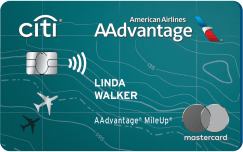
American Airlines AAdvantage® MileUp® Card
Intro APR:0% for 15 months on Balance Transfers
Ongoing APR:19.74% - 29.74% (Variable)
Rewards:
2x (Miles per dollar)
Earn 2 AAdvantage® miles for each $1 spent at grocery stores, including grocery delivery services. Earn 2 AAdvantage® miles for every $1 spent on eligible American Airlines purchases. Save 25% on inflight food and beverage purchases when you use your card on American Airlines flights
Annual Fee:$0

First Latitude Secured Mastercard® Cash Back Rewards
Ongoing APR:27.74% Variable
Rewards:
1% - 10% (cash back)
Earn up to 10% Cash Back on purchases at participating merchants that fit your lifestyle—from dining and grocery to retail and more—plus 1% Cash Back on payments made to your First Latitude Card.^^
Annual Fee:$0

Credit One Bank® Wander® American Express® Metal Card
Ongoing APR:29.74% Variable
Rewards:
1% - 10% (cash back)
Earn 5% cash back rewards on eligible dining, gas, & travel purchases, 1% cash back rewards on all other purchases, and 10% cash back rewards on eligible hotel and car rentals booked using the Credit One Bank travel partner. Cash back rewards will be awarded as rewards points redeemable for a statement credit, gift cards, travel, and more. Terms apply.
Annual Fee:$95

Credit One Bank® Premier American Express® Unlimited Rewards Card
Ongoing APR:29.74% Variable
Rewards:
1% (cash back)
Earn unlimited 1% cash back rewards on all purchases, terms apply
Annual Fee:$0
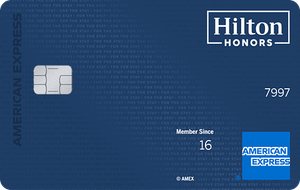
Hilton Honors American Express Surpass® Card
Intro bonus:
130,000 Points
Earn 130,000 Bonus Points plus a Free Night Reward after you spend $3,000 in purchases on the Hilton Honors American Express Surpass® Card in the first 6 months of Card Membership. Offer ends 01/13/2027.
Ongoing APR:19.74%-28.74% Variable
Rewards:
3x - 12x (Points per dollar)
Earn 12X Hilton Honors Bonus Points for each dollar of eligible purchases charged on your Card directly with a hotel or resort within the Hilton portfolio. Earn 6X Hilton Honors Bonus Points for each dollar of eligible purchases on your Card at U.S. restaurants, at U.S. supermarkets, and at U.S. gas stations. Earn 4X Hilton Honors Bonus Points for each dollar of U.S. Online Retail purchases. Earn 3X Hilton Honors Bonus Points for all other eligible purchases on your Card.
Annual Fee:$150

Hilton Honors American Express Aspire Card
Intro bonus:
200,000 Points
Best Points Offer Yet! Earn 200,000 Hilton Honors Bonus Points with the Hilton Honors American Express Aspire Card after you spend $6,000 in purchases on the Card within your first 6 months of Card Membership. Offer ends 01/13/2027.
Ongoing APR:19.74%-28.74% Variable
Rewards:
3x - 14x (Points per dollar)
Earn 14X Hilton Honors Bonus Points when you make eligible purchases on your Card directly with hotels and resorts within the Hilton portfolio. Card Members can earn 7X Points on purchases of Flights booked directly with airlines or flights booked through American Express Travel, Car rentals purchased directly from select car rental companies, and purchases at U.S. Restaurants. Card Members can earn 3X Points on all other eligible purchases.
Annual Fee:$550

Bank of America® Customized Cash Rewards credit card
Intro APR:0% Intro APR for 15 billing cycles for purchases, and for any balance transfers made in the first 60 days
Ongoing APR:17.74% - 27.74% Variable
Rewards:
1% - 6% (cash back)
Earn 6% cash back for the first year in the category of your choice. You’ll automatically earn 2% cash back at grocery stores and wholesale clubs, and unlimited 1% cash back on all other purchases. After the first year from account opening, you’ll earn 3% cash back on purchases in your choice category. Earn 6% and 2% cash back on the first $2,500 in combined purchases each quarter in the choice category, and at grocery stores and wholesale clubs, then earn unlimited 1% thereafter. After the 3% first-year bonus offer ends, you will earn 3% and 2% cash back on these purchases up to the quarterly maximum.
Annual Fee:$0

Bank of America® Unlimited Cash Rewards credit card
Intro APR:0% Intro APR for 15 billing cycles for purchases, and for any balance transfers made in the first 60 days
Ongoing APR:17.74% - 27.74% Variable
Rewards:
1.5% (cash back)
1.5% cash back on all purchases
Annual Fee:$0
See all our best rewards credit cards for 2026.
5. Find Ways to Save
There are plenty of ways to save money this holiday season (and beyond). Here are a few ideas to help your holiday budget go a little further:
- Shop around and compare prices before buying gifts.
- Follow brands on social media and keep an eye out for sales.
- Look for discounts and coupon codes.
- Cancel unused subscriptions and redirect your savings.
- Try a savings challenge in the run-up to the holidays.
- Start meal planning and curb your restaurant visits.
6. Keep Track of Your Spending
When it comes to budgeting for the holidays, you'll want to pay attention to how much you're spending. Remember those spending limits you created earlier? Tracking your spending can help you stick to them. One simple way to do this is to keep your holiday shopping list as a note in your phone. Next to each category, put the amount you're able to spend.
For example:
- Mom's gift: $50
- Holiday travel: $400
- Secret Santa gift: $25
- Decorations: $75
Whenever you make a holiday purchase, deduct that amount from the corresponding total. You can also track your spending with an app or by reviewing your debit and credit card transactions. What matters most is being aware of what you're spending.
Learn more: Best Budgeting Apps
7. Get a Jump on Next Holiday Season
It's never too early to start padding your budget for the holidays. If this season is already underway, look ahead to next year and start saving in January. Let's say your total holiday budget is $1,000. If you put aside $100 a month, you'll meet your goal by October. (Saving little by little is the idea behind sinking funds.) You can also put a portion of cash windfalls, like side gig income and tax refunds, toward your holiday budget.
The Bottom Line
Taking the long view can help you make a strong holiday budget—and avoid holiday debt. Just be sure not to neglect your other financial goals in the process, like paying down high-interest debt and improving your credit score. You can check your FICO® ScoreΘ and credit report for free with Experian.
Want to lower your monthly bills?
We’ll negotiate bills for you and cancel unwanted subscriptions.
Get started
About the author

Marianne Hayes
Marianne Hayes is a longtime freelance writer who's been covering personal finance for nearly a decade. She specializes in everything from debt management and budgeting to investing and saving. Marianne has written for CNBC, Redbook, Cosmopolitan, Good Housekeeping and more.
Read more from Marianne