
 By Tim Maxwell
Does Locking Your Credit Card Hurt Your Credit?
By Tim Maxwell
Quick Answer
Locking your credit card doesn’t directly impact your credit in any way. The primary purpose of a credit card lock is to keep others from using your card without your permission, but this feature can also benefit you in other ways.
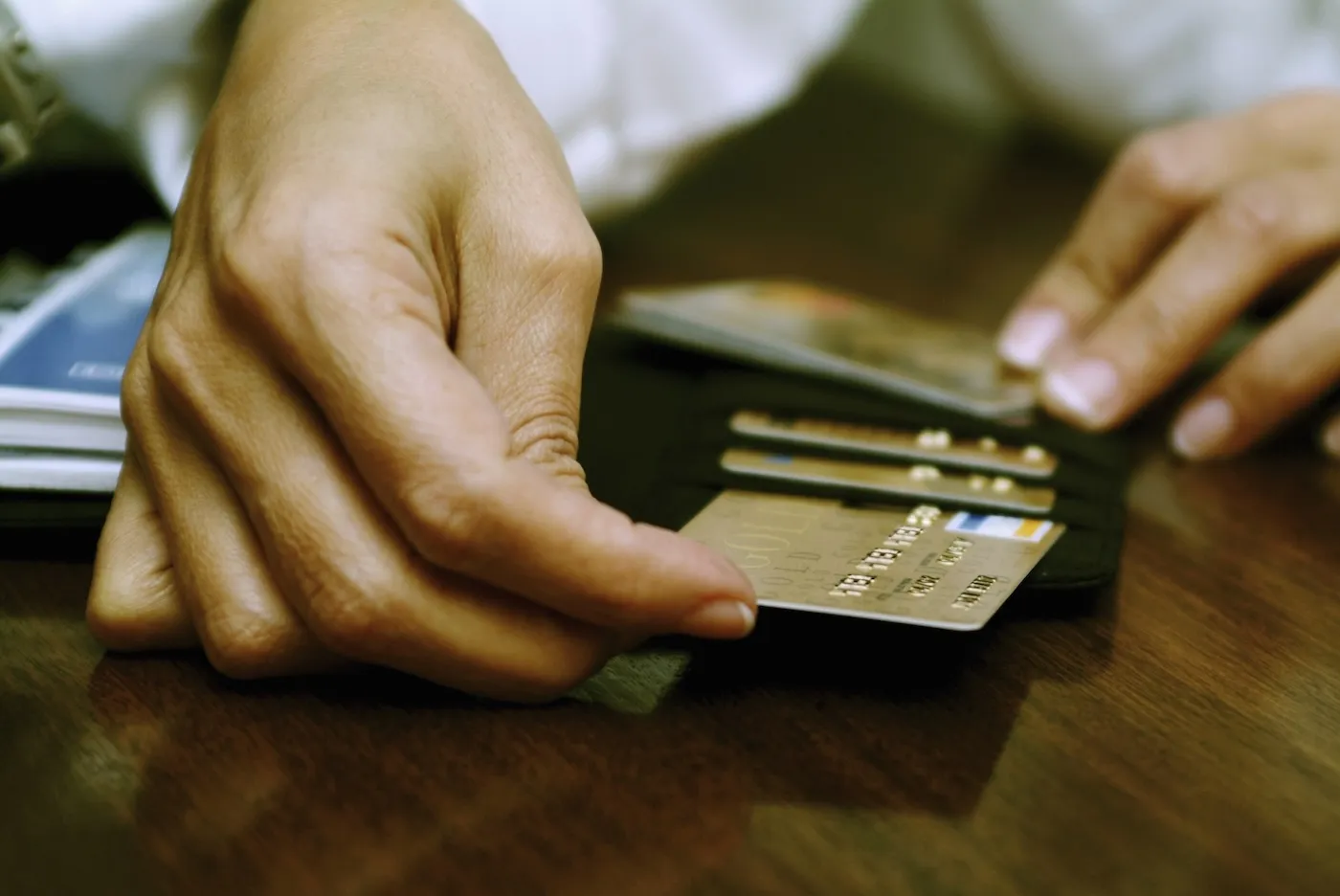
Locking your credit card prevents you or anyone else from using it. This feature could come in handy if your card is misplaced or stolen and you want to avoid unauthorized charges. You could also lock your credit card to mitigate the temptation to use the card for impulse purchases.
Locking your credit card won't directly hurt (or help) your credit. Generally, responsible credit card usage may positively affect your credit score, while poor card management could have a negative impact.
Here's what you need to know about locking your credit card, your credit and beneficial strategies for using a credit card lock.
Why Locking a Credit Card Won't Hurt Your Credit
Placing a lock on your credit card doesn't hurt your credit because the action isn't negative, and it isn't reported to the credit bureaus. Remember, your credit report is a record that details your history of managing debt. As such, credit card companies report your credit usage to the credit bureaus, including your balance, credit limit and payments.
Card issuers don't report credit card locks because they don't reflect how you repay debt. A credit card lock is merely a security tool to prevent new purchases on your credit card; typically, recurring bills and other previously authorized charges continue to go through.
If your credit card is lost or stolen, one of your first moves should be to lock your credit card, which you can usually do for free on the card issuer's app or website. This precaution should buy you time to search for your card without worrying that someone else will find it and use it to make unauthorized charges. If you find your missing card, you can unlock it and continue using it as usual; if you don't, you can request a replacement from the card issuer.
Learn more: Five Steps to Take if Your Credit Card Is Lost or Stolen
Credit Card Actions That Can Impact Your Score
While locking your credit doesn't directly impact your credit score, how you use your credit cards most certainly does. Here are some credit score guidelines to keep in mind when using and managing your credit card.
- Making late payments: Missing payments is the surest way to damage your credit score. That's because your payment history is the most important factor and accounts for 35% of your FICO® ScoreΘ, the score used by 90% of top lenders. Payments made 30 days or more late stay on your credit report for seven years, and even a single late payment can severely damage your credit.
- Running up a balance: Carrying high balances on your credit cards can also negatively impact your credit. Your credit utilization ratio—the percentage of your credit limit you're using—makes up 30% of your credit score. As a general rule, keeping a low credit utilization ratio is better for your credit score—the lower, the better. The top credit score achievers tend to have credit utilization ratios in the low single digits.
- Closing a card: Think twice before closing a credit card, even if you rarely use it. When you close a credit card account, you no longer have its credit limit, so your credit utilization ratio could rise. Additionally, closing an older credit account can reduce the length of your credit history, which accounts for 15% of your FICO® Score.
- Defaulting on your credit card: Missing several payments could result in your credit card issuer charging off your account and possibly selling it to a collection agency. Both charge-offs and collections are derogatory items that remain on your credit report for seven years.
Best credit cards of 2026
Compare cards from our partners with intro bonuses, cash back or points offers, and annual fees as low as $0.
Offers from our partners
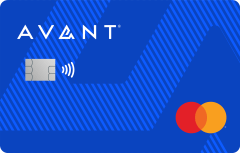
Avant® Cashback Rewards Mastercard®
Ongoing APR:35.99%*
Rewards:
1% (cash back)
Cash back will be awarded as points redeemable for a statement credit
Annual Fee:$75*
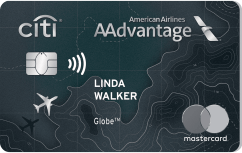
Citi® / AAdvantage® Globe™ Mastercard®
Ongoing APR:19.74% - 29.74% (Variable)
Rewards:
1x - 6x (Miles per dollar)
Earn 6 AAdvantage® miles for every $1 spent on eligible hotels booked through aadvantagehotels.com. Earn 3 AAdvantage® miles for every $1 spent on eligible American Airlines purchases. Earn 2 AAdvantage® miles for every $1 spent at restaurants, including takeout and delivery. Earn 1 AAdvantage® miles for every $1 spent on all other purchases.
Annual Fee:$350
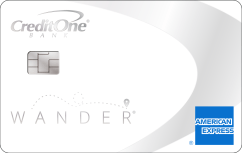
Credit One Bank® Wander® American Express® Metal Card
Ongoing APR:29.74% Variable
Rewards:
1% - 10% (cash back)
Earn 5% cash back rewards on eligible dining, gas, & travel purchases, 1% cash back rewards on all other purchases, and 10% cash back rewards on eligible hotel and car rentals booked using the Credit One Bank travel partner. Cash back rewards will be awarded as rewards points redeemable for a statement credit, gift cards, travel, and more. Terms apply.
Annual Fee:$95
Marriott Bonvoy Brilliant® American Express® Card
Intro bonus:
100,000 Bonus Points
Earn 100,000 Marriott Bonvoy® bonus points after you use your new Card to make $6,000 in purchases within the first 6 months of Card Membership.
Ongoing APR:19.74%-28.74% Variable
Rewards:
2x - 6x (Points per dollar)
Earn 6X Marriott Bonvoy® points for each dollar of eligible purchases at hotels participating in Marriott Bonvoy. Earn 3X points at restaurants worldwide and on flights booked directly with airlines. Earn 2X points on all other eligible purchases.
Annual Fee:$650
Marriott Bonvoy Bevy® American Express® Card
Intro bonus:
85,000 Bonus Points
Earn 85,000 Marriott Bonvoy® bonus points after you use your new Card to make $5,000 in purchases within the first 6 months of Card Membership.
Ongoing APR:19.74%-28.74% Variable
Rewards:
2x - 6x (Points per dollar)
Earn 6X Marriott Bonvoy® points for each dollar of eligible purchases at hotels participating in Marriott Bonvoy®. Earn 4X points at restaurants worldwide and U.S. Supermarkets (on up to $15,000 in combined purchases at restaurants and U.S. supermarkets per calendar year, then 2X points). Earn 2X points on all other eligible purchases.
Annual Fee:$250
Citi Simplicity® Card
Intro APR:0% intro APR for 18 months from account opening on purchases and qualifying balance transfers
Ongoing APR:17.74% - 28.49% (Variable)
Rewards:
N/A
Annual Fee:$0
Hilton Honors American Express Aspire Card
Intro bonus:
200,000 Points
Best Points Offer Yet! Earn 200,000 Hilton Honors Bonus Points with the Hilton Honors American Express Aspire Card after you spend $6,000 in purchases on the Card within your first 6 months of Card Membership. Offer ends 01/13/2027.
Ongoing APR:19.74%-28.74% Variable
Rewards:
3x - 14x (Points per dollar)
Earn 14X Hilton Honors Bonus Points when you make eligible purchases on your Card directly with hotels and resorts within the Hilton portfolio. Card Members can earn 7X Points on purchases of Flights booked directly with airlines or flights booked through American Express Travel, Car rentals purchased directly from select car rental companies, and purchases at U.S. Restaurants. Card Members can earn 3X Points on all other eligible purchases.
Annual Fee:$550
Avant® Cashback Rewards Mastercard®
Ongoing APR:35.99%*
Rewards:
1% (cash back)
Cash back will be awarded as points redeemable for a statement credit
Annual Fee:$75*
See all our best credit cards for 2026.
How to Use a Card Lock Strategically
Locking your credit card is a fairly straightforward process you can set up through your online account or mobile app. Here's how locking your card can help you in various scenarios:
- Handle a misplaced or stolen card: You may need a day or two to find your credit card or confirm it's gone for good. In the meantime, locking your credit card can give you peace of mind knowing that no one is racking up charges on your card while you look for it.
- Help prevent credit card fraud: Lock your credit card right away if you get a credit monitoring alert or read a news report about a data breach at your credit card company. If your account is compromised, the lock may protect it from thieves attempting to make unauthorized purchases.
- Assist in controlling spending: Credit cards are convenient tools for making purchases instantly, whether online, over the phone or in-store. But sometimes, they can be a little too convenient. If you want help limiting credit card debt or resisting impulse purchases, a credit card lock may help control your spending.
- Manage an older credit card: If you have an older credit card you're considering closing, consider leaving it open. That way, the card and its long history will remain as active on your credit report, which could bolster your credit. Locking the card could help you avoid running up a balance on the card. Just be sure to add a small, recurring payment, such as a streaming bill, that you pay off every month; that way, the card issuer will see your account is active and not close the account due to inactivity.
The Bottom Line
Credit card locks are a valuable feature to prevent others from using your credit card. You can also use them to help you manage your spending and control your credit card debt.
While locking your credit card doesn't hurt your credit, high debt balances, missed payments and other missteps could harm your score. If you're concerned about your credit, consider getting free credit monitoring from Experian. Monitoring your credit allows you to keep track of your FICO® Score, monitor your spending and receive alerts whenever there are changes to your credit, which could help you avoid fraudulent activity.
Don’t apply blindly
Apply for credit cards confidently with personalized offers based on your credit profile. Get started with your FICO® Score for free.
See your offers
About the author
Tim Maxwell
Tim Maxwell is a former television news journalist turned personal finance writer and credit card expert with over two decades of media experience. His work has been published in Bankrate, Fox Business, Washington Post, USA Today, The Balance, MarketWatch and others. He is also the founder of the personal finance website Incomist.
Read more from Tim