
 Edited by Peggy Bennett
Can You Pay Rent With a Credit Card?
Edited by Peggy Bennett
Quick Answer
- You may be able to pay rent with a credit card using a third-party service or payment app.
- You may want to use a credit card to pay rent if the rewards outweigh the processing fees and you can pay off the card with no interest charges.
- However, you should carefully consider the pros and cons before paying rent with a credit card.

Credit cards certainly come in handy for making day-to-day purchases, whether you want to rack up reward points or cover expenses until your next paycheck arrives. But can you pay rent with a credit card? Landlords typically don't accept credit cards, but you may be able to use a third-party service or payment app to make your rent payment with a credit card. Since there may be fees and potential impacts to your credit score, it's important to consider the pros and cons first.
Can I Pay Rent With a Credit Card?
Depending on how your landlord accepts rent payments, you may have a few options for paying with a credit card.
- Use a third-party rent payment service that accepts credit cards. Many landlords and property management companies accept rent via services such as PayRent, TurboTenant or Rental Manager, which may allow you to pay with a credit card. The convenience fee for paying rent with a card typically ranges from 2.75% to 3.5%, which adds up.
Example: If you pay $2,000 a month for rent and the processing fee is 3%, an extra $60 is tacked onto the payment. Over a year, that adds up to $720—more than one-third of a month's rent payment.
- Use a credit card cash advance. If your landlord accepts cash, you could get a cash advance on a credit card and use it to pay the rent. This is an expensive option, however: Cash advances typically have upfront fees, high annual percentage rates (APRs) and no grace period, so your advance starts incurring interest right away.
- Use a peer-to-peer payment app. Individual landlords may accept rent via payment apps like PayPal, Venmo or CashApp. These usually give you the option to pay with a credit card, but charge convenience fees for doing so. For example, Venmo charge a 3% fee for using a credit card.
Instantly raise your credit scoresø
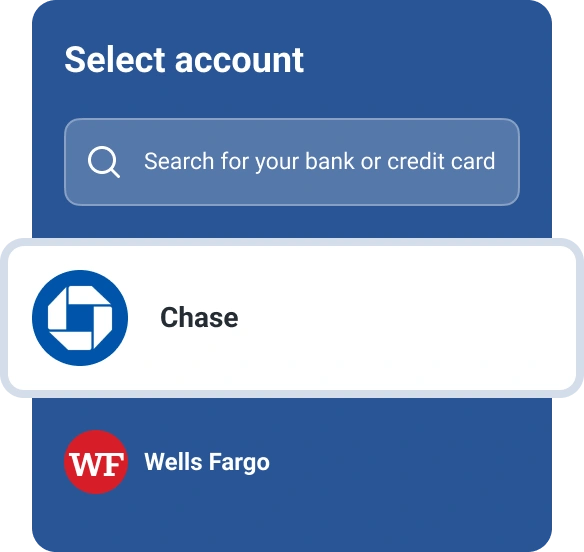
Add any bank accounts you use to pay your bills. Your information remains private.
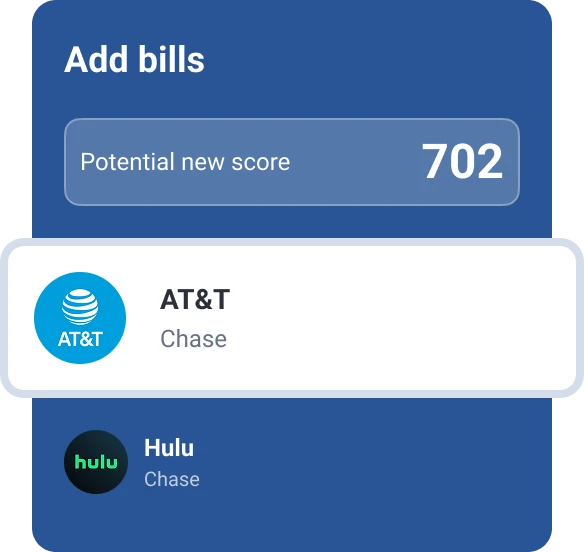
We’ll detect bills with on-time payments, and you can add them to your Experian credit file.
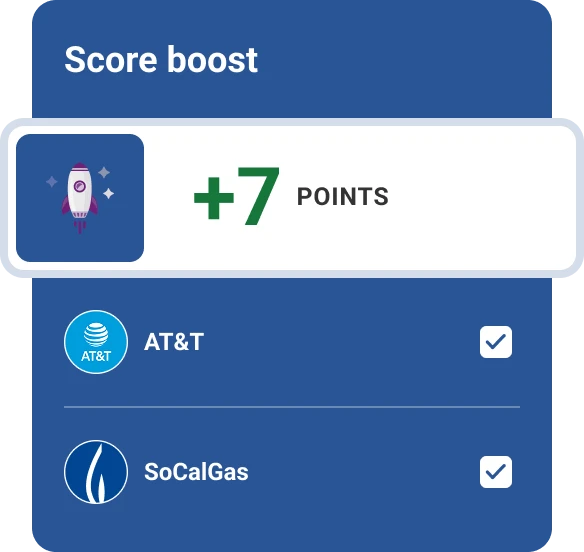
You’ll find out right away if your credit scores increased and by how many points.
Pros and Cons of Paying Rent With a Credit Card
Paying rent with plastic has some benefits, but there are also major downsides to consider.
Pros
-
Earn rewards. One compelling reason to pay rent with a credit card is to earn travel, cash back or other credit card rewards. Base cash back rewards usually range from 1% to 2%, so if you pay $1,400 in rent on your card, you could earn $14 to $28 in cash back each month. Depending on the processing fees, however, rewards alone probably won't be enough to justify paying with your card.
-
Get an intro bonus. Some renters might want to put rent on a credit card to take advantage of a card's intro bonus, which could be hard to earn otherwise. Let's say you're approved for a card that gives you a $200 bonus if you spend $500 within the first three months you have it. Put a single $2,000 rent payment on the card and you could easily score the bonus.
-
Cover expenses. If you're strapped for cash, paying rent with a credit card could be a viable stop-gap option to prevent missed rent payments and eviction. The APR on credit cards is also lower than some other emergency borrowing options, such as payday loans.
Cons
-
Pay costly fees. The processing fee charged by payment processing companies could be sizable and add to your financial burden or wipe out any credit card rewards you receive.
-
Increase your credit utilization ratio. Credit utilization measures how much of your available credit you're using and is an important factor in your credit scores. The lower your ratio, the better, but it's smart to keep the overall utilization ratio and the ratio on each card below 30%. Going above that percentage can cause greater harm to your credit scores.
-
Risk maxing out your card. Large rent payments could max out your credit card, which keeps you from using it for other purchases and can also hurt your credit scores.
-
Rack up interest. Putting rent payments on a credit card without paying the balance in full can lead to high interest charges. This could lead to a debt spiral that can be difficult to get out of.
Should You Pay Rent With a Credit Card?
Using a credit card to pay rent may make sense if:
- You're facing a one-time financial emergency and need a quick solution to tide you over.
- The credit card rewards or intro bonus outweigh fees for using the card.
- You can pay off your credit card balance by the due date to avoid interest charges.
However, paying rent with a credit card generally isn't a good idea if:
- The fee for using the card exceeds the rewards you'll earn.
- Putting a rent payment on your card will lead to high credit utilization.
- You're already carrying high balances on your credit cards and struggling to make payments.
What to Do if You Can't Pay Your Rent
If paying rent with a credit card isn't an option for you and you can't afford to pay the rent, you have alternatives, such as:
- Seek assistance with rent if you are out of work and struggling to make payments. Check with your landlord as well as with local government agencies, charities or nonprofit aid groups to see whether they can help. For more information, visit the Consumer Financial Protection Bureau website, 211.org or FindHelp.org.
- Get a roommate to reduce rent costs.
- Consider relocating to a cheaper residence or area if you can afford to move.
- Find out whether your landlord offers bonuses for referring new tenants, and look for someone who wants to rent in your complex.
- Barter with your landlord to do repairs or other labor in exchange for a rent reduction.
- Borrow money from relatives or friends.
- Move in with family or friends, at least temporarily.
- Tweak your budget to ensure you've got enough money to cover rent each month, or create a budget if you don't already have one.
Frequently Asked Questions
Other Ways to Give Your Credit a Lift
Rent payments generally aren't reported to credit bureaus, so they don't affect your credit scores. If you'd like to get credit for being a reliable renter, consider using a rent reporting service that reports on-time rent payments to the three major credit bureaus, or asking your landlord to sign up for one.
Another option is Experian Boost®ø, a free feature that adds your eligible rent, utility, cellphone, insurance and streaming service payments to your Experian credit report. It's an easy way to get credit for paying your bills on time that could help improve your credit scores.
Don’t apply blindly
Apply for credit cards confidently with personalized offers based on your credit profile. Get started with your FICO® Score for free.
See your offers
About the author

Emily Starbuck Gerson
Emily Starbuck Gerson is a freelance writer who specializes in personal finance, small business, LGBTQ and travel topics. She’s been a journalist for over a decade and has worked as a staff writer at CreditCards.com and NerdWallet. Emily’s work has appeared in CNBC, MarketWatch, Business Insider, USA Today, The Christian Science Monitor and the Chicago Tribute, among other websites and publications.
Read more from Emily Starbuck