
 Edited by Michelle Tipsword
What Is a Probate Sale?
Edited by Michelle Tipsword
Quick Answer
- A probate sale is a home sale that’s regulated by the court.
- It may happen if someone dies without a will or passes away with more debt than cash savings.
- Buyers may find less competition and potentially lower prices, but probate sales often involve delays and additional legal steps.
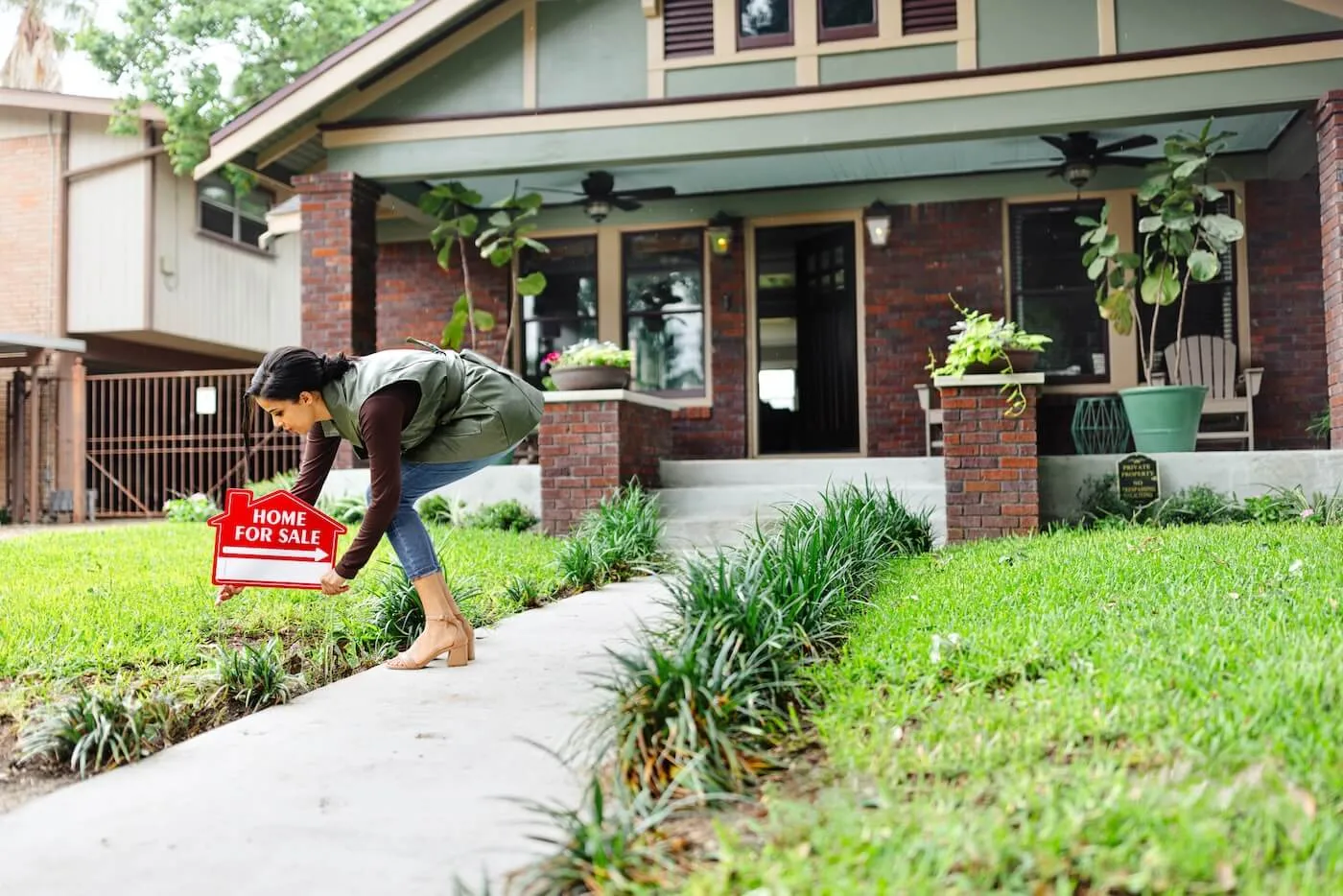
If you're in the market for a new home, going through a probate sale may be an option. It could result in a lower price and less competition from other buyers, but the process is usually more complicated and time-consuming. Knowing what to expect can help you determine if probate sales are worth considering. Your timeline and personal preferences will be the most important factors at play.
What Is a Probate Sale?
A probate sale is a court-regulated home sale that may happen if someone dies without a will or passes away with more debt than cash savings. Proceeds from probate sales may be passed on to beneficiaries or heirs, or used to satisfy creditors.
If the Homeowner Had a Will
The executor of their will is tasked with managing their estate according to their wishes. These duties can include:
- Distributing assets to beneficiaries
- Paying creditors
- Selling a home if a probate sale is in order
If the Homeowner Didn't Have a Will
The court will appoint an administrator to handle the estate, which may involve a probate sale. In this case, a real estate agent may be brought in to show the property and help coordinate the sale.
How a Probate Sale Works
Probate laws vary by state, which means that no two probate sales are alike. In California, for example, the court may still have to confirm probate sales—even if the decedent had a will and an executor has been named. But in most cases, the process begins with the executor or court-appointed administrator petitioning the court to open a probate case.
Once approved, they'll likely work with a real estate agent to list the property, arrange viewings and collect offers. If an offer is approved, they will likely need confirmation from the court to move forward and close the deal. This process can take considerable time to complete.
Pros and Cons of Buying a Probate House
Buying a home through a probate sale has benefits and drawbacks. Below are some important things to consider before moving forward.
Pros
-
Potentially lower sale price: These homes are typically sold as is, which can result in a below-market sale price. A home inspection can reveal potential issues, big or small.
-
Potentially lower sale price: These homes are typically sold as is, which can result in a below-market sale price. A home inspection can reveal potential issues, big or small.
-
Less interest from competitors: Since probate sales generally take longer, and there's more uncertainty in the process, they can deter homebuyers. That could give you a leg up over the competition.
-
Ideal for investors: You can expect more red tape and a longer timeline, but that may not be an issue if you're looking for an investment property (rather than a primary residence).
Cons
-
Expect delays: Probate sales could take anywhere from nine to 24 months to complete in some states, according to Clever Real Estate.
-
Larger upfront costs: You'll likely need a 10% deposit on top of closing costs. This amount may count toward your down payment, but that's still a large upfront investment for many homebuyers.
-
Less room for negotiation: Probate homes are generally sold in as-is condition. Buyers hoping to negotiate home repairs aren't likely to succeed.
Should I Buy a Probate House?
Probate sales aren't for everyone, but there are situations that can make them more attractive.
- You're a patient buyer who wants a below-market price. If you're in this boat, you may not mind delays if it ultimately gets you a great deal.
- You have substantial cash reserves. That means you can easily cover a 10% deposit, plus closing costs and potential repairs and renovations.
- You're looking for an investment property. A probate sale could be a great opportunity if you're looking for fix-and-flip properties at below-market prices.
How to Buy a Probate House
Here's a step-by-step guide for buying a home through a probate sale.
- Get preapproved for a mortgage. Preapproval can clarify your buying power and show sellers that you're a legitimate buyer. Start by comparing mortgage lenders and loan offers.
- Look for probate properties. When searching online, look for property descriptions that include the words "probate sale" or indicate that court confirmation is required. A real estate agent who specializes in probate sales can find properties for you and arrange viewings.
- Make an offer. Your agent can use real estate comps to help you craft a competitive offer. But depending on your state, the home may still go to auction after your offer is accepted. If someone outbids you, the deal could fall through.
- Get court approval. If things move forward, the attorney for the estate will need to petition the court for approval. This could take 30 to 45 days or longer, according to the National Association of Realtors (NAR).
- Arrange a home inspection. This is an important step since probate homes are generally sold in their current condition. A home inspection could reveal that the property needs costly repairs.
- Close on your home. This is when you'll pay closing costs, cover your down payment and sign the necessary paperwork. Closing costs generally add up to 2% to 5% of the sale price.
Learn more: The Complete Guide to Closing on a House
Frequently Asked Questions
The Bottom Line
Buying a home through a probate sale could save you money, but it comes with unique challenges. You'll want to weigh the pros and cons and work with a skilled real estate agent. Adding a real estate attorney to your homebuying team might be another good idea.
What’s on your credit report?
Stay up to date with your latest credit information—and get your FICO® Score for free.
Get your free reportNo credit card required

About the author

Marianne Hayes
Marianne Hayes is a longtime freelance writer who's been covering personal finance for nearly a decade. She specializes in everything from debt management and budgeting to investing and saving. Marianne has written for CNBC, Redbook, Cosmopolitan, Good Housekeeping and more.
Read more from Marianne