
 Edited by Michelle Tipsword
How to Remove Settled Accounts From Credit Reports
Edited by Michelle Tipsword
Quick Answer
- A settled account will harm your credit score, since it shows you didn’t pay the lender in full.
- You may be able to remove a settled account from your credit report if it’s inaccurate or if the lender agrees as a gesture of goodwill.

You cannot legally remove an accurate settled account from your credit report before the standard seven-year period ends. But you can remove it if it contains an error or if the creditor agrees to a deletion.
An account marked as "settled" can hurt your credit score. It won't be as damaging as simply never making payments, however, and it can help you avoid dealing with debt collectors if you settle before the lender sends your account to a collection agency.
Here's how to approach a settled account on your credit report, and how to potentially get it removed.
What Does "Account Settled" Mean on Credit Reports?
If you see "account settled" on your credit report, it means you've paid less than the full balance you owed to a creditor. Your account is now closed, and you're not required to make payments. But since you didn't pay as you initially agreed to, the notation of the settlement is considered a derogatory item and will likely hurt your credit score.
It's possible to settle a debt before or after the lender charges off your account, or writes it off as a loss. Charge-offs usually happen after six missed payments. Once your debt is charged off, the lender may sell it to a collection agency. At that point, you'll also see a collection account added to your credit report.
Each of these events will harm your credit score, as will the missed payments themselves. Settling a debt will add yet another negative mark to your credit report. But it also ends the back and forth with lenders and collection agencies and lets you focus on repairing your credit.
Learn more: What Is Debt Settlement?
See your latest credit information
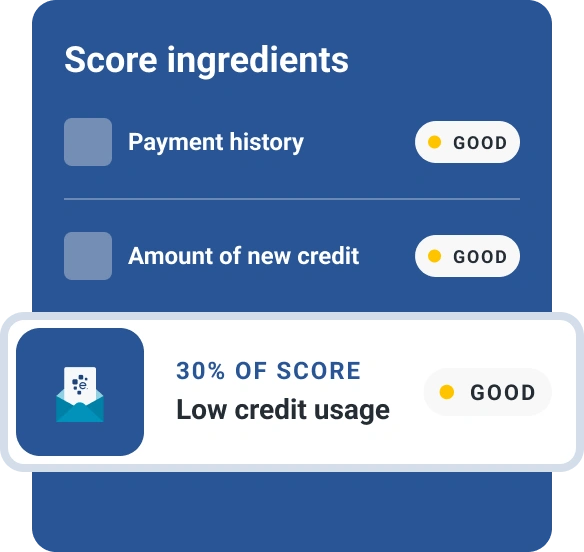
Better understand your creditworthiness with an overview of your total debt.
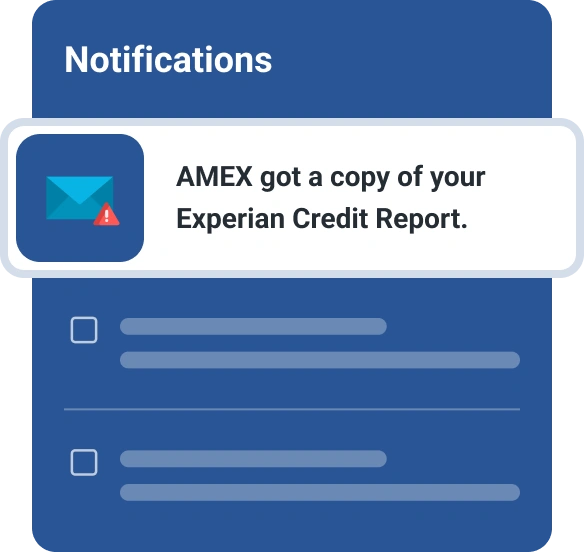
Check for any changes with customized alerts and an updated report daily.
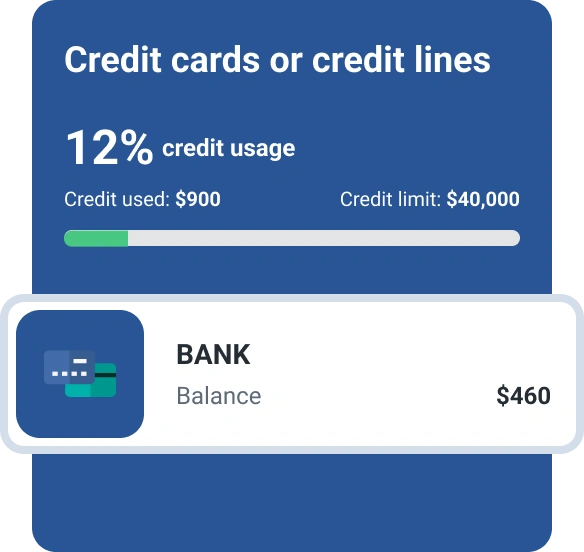
Reviewing your credit report can help you spot potential fraud or identity theft.
How Long Do Settled Accounts Stay on a Credit Report?
A settled account will stay on your credit report for seven years from the original delinquency date. That's the date of the first late or missed payment that led to the account being considered delinquent or in default.
Example: If you stopped making payments toward a loan in March 2026 and settled the debt in September 2026, the settled account will come off your credit report in March 2033—seven years from your first missed payment. Any additional late payments you made will also stay on your credit report for seven years, as will other negative items like charge-offs and accounts in collections.
Do Settled Accounts Affect Your Credit Score?
Settled accounts negatively affect your credit score. Payment history is the most meaningful factor in your FICO® ScoreΘ, and a settled account indicates that you haven't complied with a lender's requirements to pay what you owed.
By the time you settle a debt, however, your credit score has likely already suffered from missed payments, a charge-off or an account in collections. Never paying off a debt will likely have a more harmful effect on your credit.
It can also lead to other issues, such as relentless debt collectors and a difficult time getting new credit. Lenders you submit credit applications to in the future will likely look more favorably on a settled debt than an unpaid one.
The effect of a negative event like settlement also decreases over time. Your score can eventually recover as you make timely payments on long-held credit accounts, keep credit utilization low and pursue reputable credit-repair strategies like getting a secured credit card or a credit-builder loan.
Can You Get a Settled Account Removed Early?
There are two scenarios in which you may be able to get a settled account removed before the seven-year time frame ends:
- The account information contains an error. You have the right to dispute the "account settled" notation on your credit report if you believe it to be inaccurate. Perhaps you've found errors in the account details, your credit report doesn't reflect the fact the debt was settled or the account doesn't belong to you at all. In these cases, file a dispute with each of the credit bureaus. They will have up to 30 days to investigate and update your credit report with accurate information, which could include removing the settled account early.
- The creditor accepts a goodwill request. Creditors are not legally required to remove accurate negative information from your credit report. But you can write a goodwill letter requesting that they remove the settled account before seven years have passed. While a goodwill letter isn't guaranteed to work, try it especially if you experienced hardships or difficult circumstances that contributed to the missed payments—and if you have a long history of otherwise on-time payments with the lender.
How to Dispute a Settled Account
If you notice an error on your credit report related to the settled account, here are the steps to take to dispute it with the credit bureaus.
1. Get Your Credit Reports
First, check your credit reports from Experian, TransUnion and Equifax. You can view each once a week for free online at AnnualCreditReport.com. You can also check your Experian credit report for free anytime by signing up for an Experian account.
2. Check for Errors
Take note of all the information listed in your credit report. Look closely at your personal data as well as every credit and collection account. Double-check each date, payment amount, balance, account status and credit limit. Ensure everything you see belongs to you; accounts you don't recognize could be indications of identity theft. For your settled account, cross-check your written settlement agreement with the creditor against what's appearing on your credit report.
3. Gather Proof
Collect documentation that could support your dispute, such as communication with the creditor or collection agency, loan or credit card statements, bank statements and more.
4. File the Dispute
Experian and the other credit bureaus accept dispute requests online, by phone or by mail. Using Experian's online Dispute Center is the quickest, easiest way to dispute information on your Experian credit report. When you file the dispute online, you'll choose the information on your credit report you believe is inaccurate, select the reason for the dispute and upload supporting documents. The other credit bureaus have similar dispute processes of their own.
5. Wait for the Investigation
The credit bureaus have 30 days to resolve your claim, or 45 days if you send additional documents backing up your case after submitting the initial dispute. If the lender determines the information was incorrectly reported, they will notify the bureau to either correct the information or remove it from your report entirely. Disputing accurate information won't cause it to be removed from your credit report, even if it's negatively affecting your scores.
The Bottom Line
There are only a few circumstances when it's possible to remove a settled account from your credit report. But it's still crucial to regularly monitor your credit report for accuracy so you can address any issues immediately. Check your credit reports and scores three to six months before you seek a major loan, for example, so there's time to make changes to an account or resolve any disputes before you submit your application.
You can keep track of changes to your credit report with free credit monitoring from Experian. You'll receive real-time notifications of changes to your credit report, so you can track your progress after a settled account easily.
Find out what debts you owe
Your free credit report lists all your debts, such as credit card balances and loans, helping you create a plan to tackle your debt and improve your financial health.
Review your credit
About the author

Brianna McGurran
Brianna McGurran is a freelance journalist and writing teacher based in Brooklyn, New York. Most recently, she was a staff writer and spokesperson at the personal finance website NerdWallet, where she wrote "Ask Brianna," a financial advice column syndicated by the Associated Press.
Read more from Brianna