
Can Having More Credit Cards Help Your Credit Score?

Having multiple credit cards can either help or hurt your credit scores, depending on how you use them. No matter how many credit cards you have, credit basics apply: Keep your balances low and always pay bills on time.
While the number of cards you carry likely won't have an effect on your score in isolation, avoid applying for several new credit cards at one time. That can negatively impact your credit score in the short term. But over time, and if managed properly, more cards—and thus a higher credit limit—can help you improve credit scores.
Read on to learn how the number of credit cards in your name can impact your credit, and how to decide how many credit cards is the right number for you.
Does Getting More Credit Cards Affect Your Credit Score?
When it comes to your credit score, how you use credit cards is more important than the number of cards you have. Whether you own two credit cards or 12, your score will suffer if you accrue debt you can't pay.
On the other hand, if you use your cards to pay for purchases that you then pay off right away, having more credit cards can result in a credit score increase. That's primarily because more cards result in a higher combined credit limit. If you use only a small portion of that limit each month—experts recommend 30% or less—the credit scoring algorithms will reward you for responsibly managing credit.
But this means that it's important to keep spending in check. Consider sticking to a monthly budget to help, or using certain credit cards only for specific purchases. It's also crucial to pay off your balance completely each month, and on time. That will ensure your credit cards are working as hard as possible for you and your credit score.
How Multiple Credit Cards Can Help Your Credit Score
Each credit card you hold comes with a credit limit. Multiple cards give you access to a larger total credit limit, and maintaining the same level of spending after you get more cards can lead to good credit. That's because credit utilization, or the percentage of your total credit limit you use, is one of the most important contributors to credit: The amounts you owe on your accounts make up 30% of your FICO® ScoreΘ.
Here's an example: Say you currently have one card with a limit of $1,000, and you make $200 worth of purchases each month on average. That gives you a credit utilization rate of 20%. Getting a second card with a limit of $1,000, but continuing to spend $200 each month on your cards in total, increases your limit to $2,000—and drops your utilization to 10%. Utilizing a small amount of your available credit can help your credit score.
The only more important credit scoring factor than credit utilization is payment history. Paying all your bills on time is the best way to build good credit. Late payments stay on your credit report for seven years and hurt your score. Positive payment history stays longer—10 years, in fact, even after an account is closed. Making all credit card payments on time across multiple cards has the potential to help your credit score.
Best credit cards of 2026
Compare cards from our partners with intro bonuses, cash back or points offers, and annual fees as low as $0.
Offers from our partners
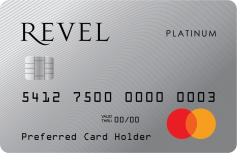
Revel® Platinum Mastercard®
Ongoing APR:35.90% Fixed
Annual Fee:$49 - $125

American Airlines AAdvantage® MileUp® Card
Intro APR:0% for 15 months on Balance Transfers
Ongoing APR:19.74% - 29.74% (Variable)
Annual Fee:$0

Avant® Mastercard®
Ongoing APR:29.99%*
Annual Fee:$0*

First Latitude Secured Mastercard® Cash Back Rewards
Ongoing APR:27.74% Variable
Annual Fee:$0

Avant® Cashback Rewards Mastercard®
Ongoing APR:35.99%*
Annual Fee:$39*

Marriott Bonvoy Brilliant® American Express® Card
Ongoing APR:19.74%-28.74% Variable
Annual Fee:$650
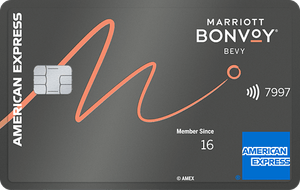
Marriott Bonvoy Bevy® American Express® Card
Ongoing APR:19.74%-28.74% Variable
Annual Fee:$250

Citi Simplicity® Card
Intro APR:0% intro APR for 18 months from account opening on purchases and qualifying balance transfers
Ongoing APR:17.74% - 28.49% (Variable)
Annual Fee:$0
See all our best credit cards for 2026.
How Multiple Credit Cards Can Hurt Your Credit Score
It's generally not a wise idea to open several credit cards at the same time. Here's why:
- Newer accounts lower the average age of your credit history. Credit scoring methodologies reward you for longer periods of credit usage. Newer accounts haven't given you the opportunity to demonstrate positive spending and payment behavior, and as a result, your credit score can suffer.
- Applying for new credit means the lender will ask to evaluate your credit report, leading to a hard inquiry on your report. Hard inquiries can cause a temporary drop in your credit score, though typically only by a few points. Applying for new credit, especially many new credit card accounts at once, can hurt your score.
- Since having more credit cards means you'll have a higher credit limit, that could tempt you to spend more than you can afford to pay off each month. Carrying a balance from month to month, using a high percentage of your credit limit and paying late can all damage your credit score.
- More credit cards also means more due dates to keep track of. If that is difficult for you to manage and you're at risk of paying late, applying for several credit cards may not be worth the possibility of damaged credit.
- Closing a credit card can lower your score, since that can reduce overall credit limits (possibly increasing utilization). So when you open a new credit card, it's generally best to stick with that card for the long haul. If you're not sure you want to use it for the long term, consider avoiding opening the account.
How Many Credit Cards Is Too Many?
There's no ideal number of credit cards to keep. According to Experian data, the average U.S. consumer had 3.84 credit card accounts as of the third quarter of 2020. But that doesn't mean three or four cards is the right number for you.
Only apply for credit cards that offer perks you truly want or need, and that you're likely to take advantage of. Think doubly hard about applying for cards that come with annual fees, since you'll need to make at least enough use of any points or miles programs to justify that fee. And remember that ideally, your spending won't increase when you get a new credit card—that way, you can benefit from a lower credit utilization rate.
Making Use of Multiple Credit Cards
Since there's no correct number of credit cards to have, focus instead on using sound financial judgment across all the credit card accounts you choose to open. Generally, as long as you keep credit card balances low and always pay the bills on time, your credit scores will stay strong. You're just as likely to have good credit if you have two cards as if you had five or 10.
Don’t apply blindly
Apply for credit cards confidently with personalized offers based on your credit profile. Get started with your FICO® Score for free.
See your offers
About the author

Brianna McGurran
Brianna McGurran is a freelance journalist and writing teacher based in Brooklyn, New York. Most recently, she was a staff writer and spokesperson at the personal finance website NerdWallet, where she wrote "Ask Brianna," a financial advice column syndicated by the Associated Press.
Read more from Brianna