
 By Bev O'Shea
Pros and Cons of Store Credit Cards
By Bev O'Shea
Quick Answer
Store credit cards can offer discounts, special financing, free shipping or other perks, and they can be a good way to build credit. But they also tend to come with low credit limits, high interest rates and financing offers with a big catch.

Store credit cards allow you to earn rewards and get special perks at a retailer, and they can be easier to qualify for than a regular rewards credit card. But they also tend to charge higher interest rates than other credit cards, and their offers of "interest-free" payment plans can have some gotchas to be careful of.
Here's what to consider when you're deciding whether a store credit card is a good fit for you.
Pros of Store Credit Cards
For frequent shoppers, a store credit card can be useful and help you get more from your money.
You Can Earn Rewards
Some store credit cards offer tiers of rewards so that the more you spend, the more perks or discounts you qualify for. If a retail credit card offers points for purchases, you may be able to convert those to cash. For example, you might earn rewards worth between 1% and 5% of your spending depending on your reward tier. Some retailers have certain days when you can get higher rewards for your spending on the card.
Best rewards cards of 2026
Compare cards from our partners that earn points, cash back or miles on everyday spending.
Offers from our partners
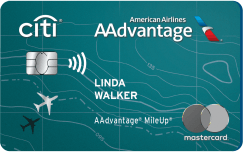
American Airlines AAdvantage® MileUp® Card
Intro APR:0% for 15 months on Balance Transfers
Ongoing APR:19.74% - 29.74% (Variable)
Rewards:
2x (Miles per dollar)
Earn 2 AAdvantage® miles for each $1 spent at grocery stores, including grocery delivery services. Earn 2 AAdvantage® miles for every $1 spent on eligible American Airlines purchases. Save 25% on inflight food and beverage purchases when you use your card on American Airlines flights
Annual Fee:$0
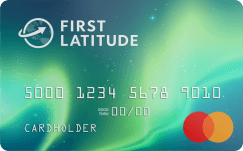
First Latitude Secured Mastercard® Cash Back Rewards
Ongoing APR:27.74% Variable
Rewards:
1% - 10% (cash back)
Earn up to 10% Cash Back on purchases at participating merchants that fit your lifestyle—from dining and grocery to retail and more—plus 1% Cash Back on payments made to your First Latitude Card.^^
Annual Fee:$0

Avant® Cashback Rewards Mastercard®
Ongoing APR:35.99%*
Rewards:
1% (cash back)
Cash back will be awarded as points redeemable for a statement credit
Annual Fee:$75 first year; then $99/year

Avant® Cashback Rewards Mastercard®
Ongoing APR:35.99%*
Rewards:
2% (cash back)
Cash back will be awarded as points redeemable for a statement credit
Annual Fee:$39*
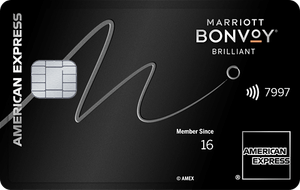
Marriott Bonvoy Brilliant® American Express® Card
Intro bonus:
100,000 Bonus Points
Earn 100,000 Marriott Bonvoy® bonus points after you use your new Card to make $6,000 in purchases within the first 6 months of Card Membership.
Ongoing APR:19.74%-28.74% Variable
Rewards:
2x - 6x (Points per dollar)
Earn 6X Marriott Bonvoy® points for each dollar of eligible purchases at hotels participating in Marriott Bonvoy. Earn 3X points at restaurants worldwide and on flights booked directly with airlines. Earn 2X points on all other eligible purchases.
Annual Fee:$650
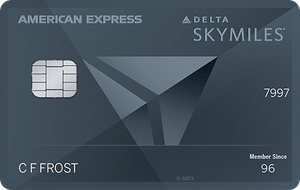
Delta SkyMiles® Reserve American Express Card
Intro bonus:
Earn 2 Delta Comfort Flight Certificates + 50K Miles
Earn two domestic Delta Comfort Flight Certificates + 50,000 Bonus Miles after $10,000 in purchases on your new Card in your first 6 months. A 21+ day advance purchase required. Taxes and fees up to $80 per person apply. Terms and other restrictions apply. Offer ends 11/04/2026.
Ongoing APR:19.74%-28.74% Variable
Rewards:
1x - 3x (Miles per dollar)
Earn 3X Miles on Delta purchases and earn 1X Miles on all other eligible purchases.
Annual Fee:$650
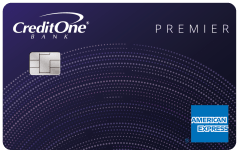
Credit One Bank® Premier American Express® Unlimited Rewards Card
Ongoing APR:29.74% Variable
Rewards:
1% (cash back)
Earn unlimited 1% cash back rewards on all purchases, terms apply
Annual Fee:$0
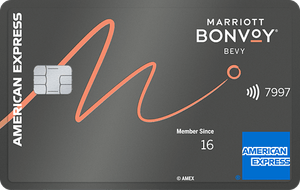
Marriott Bonvoy Bevy® American Express® Card
Intro bonus:
85,000 Bonus Points
Earn 85,000 Marriott Bonvoy® bonus points after you use your new Card to make $5,000 in purchases within the first 6 months of Card Membership.
Ongoing APR:19.74%-28.74% Variable
Rewards:
2x - 6x (Points per dollar)
Earn 6X Marriott Bonvoy® points for each dollar of eligible purchases at hotels participating in Marriott Bonvoy®. Earn 4X points at restaurants worldwide and U.S. Supermarkets (on up to $15,000 in combined purchases at restaurants and U.S. supermarkets per calendar year, then 2X points). Earn 2X points on all other eligible purchases.
Annual Fee:$250
See all our best rewards credit cards for 2026.
You Can Save Money on Products or Get Free Shipping
Having a store credit card can give you access to special perks such as discounts or free shipping. If you shop at a certain retailer frequently, using a store credit card can actually save you money if it doesn't tempt you to buy things you would not have otherwise.
You May Qualify Even Without Stellar Credit
You may be able to get a store credit card with a lower credit score than the threshold required for a general-purpose credit card. Rewards cards in particular often require even higher credit scores.
You Can Use the Cards to Build Credit
Because store credit cards can be easier to qualify for, they can be a good way to get started building or rebuilding credit. As long as the card issuer reports credit activity to the credit bureaus, you can start building good credit by paying on time every time. It's best to pay the full balance every month.
You Can Stretch Out Payments Without Paying Interest
A store may offer a deal where paying off a balance in a certain amount of time can be done interest-free. Those offers can save you money, but be careful of the fine print (more about that below).
Cons of Store Credit Cards
Store credit cards have some distinct drawbacks as well.
They Typically Have High Interest Rates
If you carry a balance, the interest rates on store credit cards are typically high. Some interest rates are higher than 30%. In August 2022, consumer credit cards had an average interest rate slightly higher than 18%, according to the Federal Reserve.
They May Charge Deferred Interest
Offers of a payment plan with no interest, giving you months to spread out big costs—think furniture, appliances, carpeting—can make those big expenses a little easier to fit into your budget. Check the fine print, though. If you have not completely paid off the balance by the time the interest-free period ends, you may owe deferred interest—in other words, all the interest you thought you were saving by using the payment plan. And that interest rate may be high. That doesn't mean you need to avoid the offer, but do approach with caution and have a plan for paying the store card off in time to avoid the interest.
Your Credit Limit Is Likely to Be Low
A low credit limit can mean that when you use the card, your credit utilization—the portion of your credit limit you're using—can soar. The higher your credit utilization, the worse it can be for your credit score. Most credit experts recommend keeping it no higher than 30%, and lower is better. (Once you pay down your balance and it is reported to the credit bureaus, the impact from high utilization disappears from most scoring models.)
It May Not Be Widely Accepted
If your store credit card is a closed-loop credit card, you can use it at only one store or group of stores. If it's an open-loop credit card, it will be part of a payment network, such as Visa, MasterCard or American Express. In that case, you can use it at any merchant that accepts those cards. When you apply for a store credit card, you may not know which kind of credit card will be issued.
Should You Get a Store Credit Card?
There's no one answer for everyone. If there's a retailer where you're already shopping regularly, a store credit card might save you money. Some stores give you a heads-up about sales and offer a discount every time you use their card to make a purchase. You might also get free shipping or a longer return window.
And if you are new to credit, qualification may be easier. Once you have the card, you can work toward building a higher score.
If you occasionally carry a balance, a store credit card can be an expensive way to pay back borrowed money. And if it is accepted only by one store or a limited number of related stores, it can be limiting.
Stores seem to encourage making spur-of-the-moment decisions by offering discounts on everything in your cart, whether virtual or in real life. Deciding at the cash register may not be the best way to make a thoughtful decision about whether a certain card is a good idea for you.
How to Use a Store Card Responsibly
The most responsible way to use a store card is to use it as a convenience rather than as a tool for borrowing money, and to pay the statement in full and on time each month. Those things will help you avoid racking up expensive debt and instead benefit from rewards and discounts. If you use special financing, make arrangements to have the card paid off before the term ends.
The Bottom Line
Store credit cards can offer cardholders discounts and perks other customers don't get, but they tend to carry high interest rates and offer low credit limits. And while low credit limits can help you avoid overspending, they can also result in high credit utilization, which could potentially damage your credit scores. Paying on time, every time can help your credit, and store cards can be easier to qualify for than regular credit cards are—but they may not be as widely accepted.
Financing offers might save you money on interest, but be sure you understand what you must do to avoid having to pay interest on your purchase. If the perks offered are those you want and would use, getting a store credit card can be a smart move.
No matter which type of credit you choose to shop with, it's smart to keep an eye on your credit―and to have an idea of what credit card issuers see when you apply. You can keep tabs on your credit history with a free credit report from Experian.
Don’t apply blindly
Apply for credit cards confidently with personalized offers based on your credit profile. Get started with your FICO® Score for free.
See your offers
About the author
Bev O'Shea
Bev O'Shea is a Georgia-based freelance journalist specializing in personal finance and consumer credit. Most recently, she was a staff writer at personal finance website NerdWallet, where she was an authority on credit reports, credit scores and identity theft.
Read more from Bev