
 Edited by Samuel Mountjoy
How Do Charge Cards Affect Your Credit Score?
Edited by Samuel Mountjoy
Quick Answer
- Charge cards affect your credit score because they’ll contribute to your payment history, credit mix, age of accounts and number of accounts with balances.
- One area charge cards don’t affect is credit utilization, since they don’t have credit limits.

Charge cards can affect your credit both positively and negatively. Unlike traditional credit cards, charge cards have no credit limit, and they require you to pay off the full balance each month to avoid a fee.
That means charge cards generally come with less risk of high credit utilization, which can sink your credit score—but they don't give you the option of strengthening your credit with low utilization, either. And as with any credit account, falling behind on payments will damage your credit. Here's what to know about charge cards and your credit score.
How Charge Cards Can Help Your Credit
If you choose a charge card, you're opting for less flexibility than you'd get with a traditional credit card. You'll be subject to fees, interest and potential usage limits if you don't pay off your balance in full each billing cycle. There are benefits to using a charge card, however, including the ability to build your credit in the following ways.
Payment History
The most important credit scoring factor is payment history, which accounts for 35% of your FICO® ScoreΘ. Using a charge card regularly and paying each bill on time will help you develop positive payment history, a record of your ability to responsibly manage credit. Lenders will be more likely to approve you for credit when they see that you have paid previous accounts on time, and a charge card can help you establish that track record of creditworthiness.
Credit Mix
Credit mix is the combination of credit types that are listed in your credit report, which demonstrates to lenders that you can handle overseeing a variety of financial accounts. Charge cards can add to your credit mix if you previously only had installment credit, like auto or student loans, for example. That can positively impact your credit, since credit mix makes up 10% of your FICO® Score.
Does Not Affect Utilization
Charge cards don't come with credit limits, which makes it impossible to assign your account a credit utilization ratio—or the proportion of available credit you're currently using. That means you won't be penalized for having a credit utilization ratio above 30%, which can happen with credit cards.
Learn more: How Important Is Credit Card Utilization to Your Credit Score?
Best credit cards of 2026
Compare cards from our partners with intro bonuses, cash back or points offers, and annual fees as low as $0.
Offers from our partners
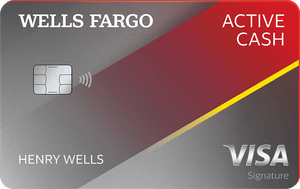
Wells Fargo Active Cash® Card
Intro bonus:
$100
Earn a $100 cash rewards bonus after spending $500 in purchases in the first 3 months.
Intro APR:0% intro APR for 12 months from account opening on purchases and qualifying balance transfers
Ongoing APR:18.74%, 24.74%, or 28.74% Variable APR
Rewards:
2% (Cash Rewards)
Earn unlimited 2% cash rewards on purchases.
Annual Fee:$0

Opensky® Secured Visa® Credit Builder
Ongoing APR:23.89% Variable
Rewards:
10% (cash back)
Earn up to 10% cash back on purchases made with your opensky Secured Visa Credit Card at 40,000+ retailers. Visit opensky Rewards in the opensky app for participating retailers. Learn more at openskycc.com. See Rewards Terms and Conditions for more information.
Annual Fee:$35
Avant® Cashback Rewards Mastercard®
Ongoing APR:35.99%*
Rewards:
1% (cash back)
Cash back will be awarded as points redeemable for a statement credit
Annual Fee:$0*
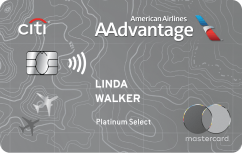
Citi® / AAdvantage® Platinum Select® World Elite Mastercard®
Ongoing APR:19.74% - 29.74% (Variable)
Rewards:
2x (Miles per dollar)
Earn 2 AAdvantage® miles for every $1 spent at gas stations and restaurants, and on eligible American Airlines purchases. Earn 1 Loyalty Point for every 1 eligible AAdvantage® mile earned from purchases.
Annual Fee:$99, waived for first 12 months
Avant® Cashback Rewards Mastercard®
Ongoing APR:35.99%*
Rewards:
1% (cash back)
Cash back will be awarded as points redeemable for a statement credit
Annual Fee:$75 first year; then $99/year
Avant® Cashback Rewards Mastercard®
Ongoing APR:35.99%*
Rewards:
2% (cash back)
Cash back will be awarded as points redeemable for a statement credit
Annual Fee:$39*
Delta SkyMiles® Blue American Express Card
Intro bonus:
10,000 Miles
Earn 10,000 bonus miles after you spend $1,000 in purchases on your new Card in your first 6 months.
Ongoing APR:19.74%-28.74% Variable
Rewards:
1x - 2x (Miles per dollar)
Earn 2X Miles per dollar at restaurants worldwide, plus takeout and delivery in the U.S. Earn 2X Miles per dollar spent on Delta purchases, and 1X Mile on all other eligible purchases.
Annual Fee:$0
Citi Simplicity® Card
Intro APR:0% intro APR for 18 months from account opening on purchases and qualifying balance transfers
Ongoing APR:17.74% - 28.49% (Variable)
Rewards:
N/A
Annual Fee:$0
See all our best credit cards for 2026.
How Charge Cards Can Hurt Your Credit
It's also possible that opening and using a charge card can damage your credit, despite the fact that your credit utilization won't be affected. Here's how.
Missed Payments
If you miss a charge card payment by more than 30 days, the credit card issuer will typically report it to the credit bureaus as late, which can damage your credit score. A single missed payment can lower your credit score significantly, especially if you had a good or excellent credit score beforehand, and will stay on your credit report for seven years. The longer your payment is late, the greater the impact on your score.
Credit Age
Opening a new charge card will lower the average age of your credit accounts and add a new account to your credit report, both of which can hurt your credit. That's because length of credit history makes up 15% of your FICO® Score. Lenders prefer to see that you can manage credit over a long period, and that you limit requests for new credit. Generally, the higher the average age of your accounts and the fewer new accounts you open, the better.
Account Balances
Even though charge cards don't have an effect on credit utilization, making charges and increasing the card's balance before paying it off each month can affect your credit. If you have a balance on the card when the account is reported to the credit bureaus, the account will impact "amounts owed," the second most important credit scoring factor. The more accounts you have with balances, the more of a negative impact you may see to your credit.
How to Build Credit With a Charge Card
You can use a charge card to improve your credit scores over time. Here's how:
- Make your payments on time. Regularly paying the monthly bill by the due date is one of the best ways to use your charge card to build credit. To make sure you never miss a payment, consider setting up autopay from your checking account.
- Pay off your balance early. If you can pay off the entire balance before the end of your statement period, your card issuer might report the $0 balance to the card issuers. Having fewer accounts with balances could help your credit scores.
- Only apply for the credit you need. Once you've opened a charge card, limit the number of new applications for credit you make. Your credit will suffer if you apply for more credit and additional hard inquiries are added to your credit report. It's best to wait at least six months between credit card applications, and longer if you're hoping to improve your credit after some missteps or you're seeking a mortgage.
Managing your budget and expenses will be important for achieving all of these goals. Some charge cards have programs that let you pay off certain balances in installments, which can make it easier to fit your charge card payments into your monthly spending plan. But since that may not be available, when you get a charge card, plan to pay off the full balance every month.
Frequently Asked Questions
The Bottom Line
Like other credit cards, charge cards can be an essential part of your credit-building journey, as long as you commit to paying every bill on time. You can use Experian's credit card comparison platform to find a card that works well for you.
If you want to explore how to improve your credit score, track your Experian credit report and FICO® Score for free with an account from Experian. Look over which accounts are in your report, what's being reported and what's helping and hurting your credit scores so you can make a plan to improve them.
What’s on your credit report?
Stay up to date with your latest credit information—and get your FICO® Score for free.
Get your free reportNo credit card required

About the author

Brianna McGurran
Brianna McGurran is a freelance journalist and writing teacher based in Brooklyn, New York. Most recently, she was a staff writer and spokesperson at the personal finance website NerdWallet, where she wrote "Ask Brianna," a financial advice column syndicated by the Associated Press.
Read more from Brianna