
 Edited by Michelle Tipsword
What Is a Joint Credit Card?
Edited by Michelle Tipsword
Quick Answer
A joint credit card works like a standard credit card, but is owned by two people. Account owners can both access the card’s credit line and share equal financial responsibility to pay off the debt, no matter who made the charges.

A joint credit card allows two people to co-own a credit card together. Both cardholders can access the card's line of credit and are equally responsible to pay off the balance. While joint credit accounts are still common for loans like mortgages, according to Experian data, few financial institutions offer joint credit cards anymore.
How Do Joint Credit Cards Work?
Joint credit cards are regular credit cards with two primary cardholders. If you're considering sharing one of these cards with another user, it's important to first understand how joint credit cards work.
- Application process: Account holders must apply as co-applicants or co-borrowers and each undergo credit checks. When one person has a stronger credit history, the borrower with weaker credit may benefit from lower interest rates and a higher credit limit than they may have been able to qualify for on their own.
- Credit line: Both users have full access to the card's total spending limit and can manage key aspects of the card, such as the payment due date. Users also have equal access to rewards and any other perks the card offers.
- Financial responsibility: Cardholders can both make payments on the card's balance and are each legally responsible for the full debt, regardless of who racks up charges.
- Credit impact: Credit card issuers generally report card activity, including card utilization and payment information, to the credit bureaus. So each user's credit could be impacted positively or negatively, depending on how the card is managed.
- Removing a user: Joint credit cards must be closed in order to remove a user. This can present some challenges if there's a change in the relationship, like divorce.
Learn more: How Credit Cards Can Affect Your Credit Score
Joint Credit Card vs. Authorized User
With a joint credit card there are two primary cardholders who are allowed to use the card and are responsible for payments. An authorized user, on the other hand, is someone who has permission to use a credit card, but no financial obligation to pay off the debt. Like joint credit card holders, authorized users typically get their own physical card, but the primary account holder can sometimes set spending limits.
Joint cardholders must apply for a card together and each undergo a credit check. But to become an authorized user, you only need to be added by the primary cardholder—no credit check required. Authorized users can also be easily removed at any time; however, removing a primary user on a joint account typically requires closing the card.
Becoming an authorized user can help your credit if the credit card company reports authorized user history to the credit bureaus. Even if everything isn't reported, you might still see a boost as long as the primary user keeps the account in good standing and credit utilization low.
Here's a closer look at how joint credit card holders compare to authorized users.
| Joint Credit Card Holder | Authorized User |
|---|---|
| Users must apply as co-borrowers | Can be added by primary user at any time |
| Full access to credit line | Credit limits may be set by account holder |
| No extra fees | Fee required by some card issuers |
| Both parties legally responsible for making payments | Not legally responsible for making payments |
| Can build credit | Can build credit |
| Card must be closed to remove a user | Easy to remove yourself from the account |
| Not allowed by most major credit card issuers | Allowed by most major credit card issuers |
Best rewards cards of 2026
Compare cards from our partners that earn points, cash back or miles on everyday spending.
Offers from our partners
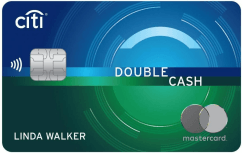
Citi Double Cash® Card
Intro APR:0% for 18 months on Balance Transfers
Ongoing APR:18.49% - 28.74% (Variable)
Rewards:
2% (cash back)
Earn 2% on every purchase with unlimited 1% cash back when you buy, plus an additional 1% as you pay for those purchases. To earn cash back, pay at least the minimum due on time. Plus, earn 5% total cash back on hotel, car rentals and attractions booked with Citi Travel.
Annual Fee:$0

Blue Cash Everyday® Card from American Express
Intro bonus:
As High As $200 Cash Back. Find Out Your Offer.
You may be eligible for as high as $200 cash back after spending $2,000 in purchases on your new Card in the first 6 months. Welcome offers vary and you may not be eligible for an offer. Cash back is received as Reward Dollars, redeemable for statement credit or at Amazon.com checkout. Terms Apply.
Intro APR:0% on Purchases and Balance Transfers for 15 months
Ongoing APR:19.74%-28.74% Variable
Rewards:
1% - 3% (cash back)
Earn 3% cash back at U.S. supermarkets, 3% cash back on U.S. online retail purchases, 3% cash back at U.S. gas stations, on eligible purchases for each category on up to $6,000 per year in purchases (then 1%). Cash back is received in the form of Reward Dollars that can be redeemed as a statement credit and at Amazon.com checkout.
Annual Fee:$0

Credit One Bank® American Express® for Rebuilding Credit
Ongoing APR:29.74% Variable
Rewards:
1% (cash back)
Earn 1% cash back rewards on eligible gas, grocery purchases and mobile phone service, internet, cable and satellite TV services, terms apply
Annual Fee:$75 First year. $99 thereafter, billed monthly at $8.25
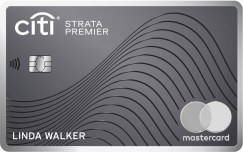
Citi Strata Premier® Card
Intro bonus:
60,000 Points
Earn 60,000 bonus ThankYou® Points after spending $4,000 in the first 3 months of account opening, redeemable for $600 in gift cards or travel rewards at thankyou.com.
Ongoing APR:19.74% - 27.74% (Variable)
Rewards:
1x - 10x (Points per dollar)
Earn 10 Points per $1 spent on Hotels, Car Rentals, and Attractions booked on CitiTravel.com. Earn 3 Points per $1 on Air Travel and Other Hotel Purchases, at Restaurants, Supermarkets, Gas and EV Charging Stations. Earn 1 Point per $1 spent on all other purchases.
Annual Fee:$95

Credit One Bank® Platinum X5 Visa Signature® Metal Card
Ongoing APR:29.74% Variable
Rewards:
1% - 5% (cash back)
Earn 5% cash back rewards on the first $5,000 of eligible gas, grocery, internet, cable, satellite TV, and mobile phone service purchases each year, and then 1% thereafter. Plus 1% cash back rewards on all other purchases, terms apply.
Annual Fee:$95

Hilton Honors American Express Aspire Card
Intro bonus:
200,000 Points
Best Points Offer Yet! Earn 200,000 Hilton Honors Bonus Points with the Hilton Honors American Express Aspire Card after you spend $6,000 in purchases on the Card within your first 6 months of Card Membership. Offer ends 01/13/2027.
Ongoing APR:19.74%-28.74% Variable
Rewards:
3x - 14x (Points per dollar)
Earn 14X Hilton Honors Bonus Points when you make eligible purchases on your Card directly with hotels and resorts within the Hilton portfolio. Card Members can earn 7X Points on purchases of Flights booked directly with airlines or flights booked through American Express Travel, Car rentals purchased directly from select car rental companies, and purchases at U.S. Restaurants. Card Members can earn 3X Points on all other eligible purchases.
Annual Fee:$550

Bank of America® Customized Cash Rewards credit card
Intro APR:0% Intro APR for 15 billing cycles for purchases, and for any balance transfers made in the first 60 days
Ongoing APR:17.74% - 27.74% Variable
Rewards:
1% - 6% (cash back)
Earn 6% cash back for the first year in the category of your choice. You’ll automatically earn 2% cash back at grocery stores and wholesale clubs, and unlimited 1% cash back on all other purchases. After the first year from account opening, you’ll earn 3% cash back on purchases in your choice category. Earn 6% and 2% cash back on the first $2,500 in combined purchases each quarter in the choice category, and at grocery stores and wholesale clubs, then earn unlimited 1% thereafter. After the 3% first-year bonus offer ends, you will earn 3% and 2% cash back on these purchases up to the quarterly maximum.
Annual Fee:$0

Bank of America® Unlimited Cash Rewards credit card
Intro APR:0% Intro APR for 15 billing cycles for purchases, and for any balance transfers made in the first 60 days
Ongoing APR:17.74% - 27.74% Variable
Rewards:
1.5% (cash back)
1.5% cash back on all purchases
Annual Fee:$0
See all our best rewards credit cards for 2026.
Are Joint Credit Cards a Good Idea?
Sharing a joint credit card can be a convenient way for spouses (and some families or close friends) to simplify their finances. But sometimes it can lead to disagreements over spending habits, repayment strategy or how you manage the account.
Remember, you're both legally responsible for all debt on the card, no matter who made the charges. If the other account holder runs up the balance or can't keep up with payments, you might face late payment fees, a drop in your credit scores or potential collections.
If your relationship changes, the card must be closed to remove the other account holder. For example, if you get divorced, you can't just remove one spouse's name, and some states might require an even split of the debt as part of the divorce settlement.
Learn more: Pros and Cons of a Joint Credit Card
Alternatives to Joint Credit Cards
If a joint credit card isn't the best fit for your credit or financial situation or isn't available, consider these alternatives:
- Authorized-user accounts: Most credit card issuers allow account holders to easily add authorized users. As the cardholder, you take on some risk, since you're responsible for all charges, but you can remove an authorized user at any time. And being added as an authorized user may help you build credit with less risk than getting your own card.
- Joint checking account: A joint checking account lets you pool funds into one account with a spouse, family member or friend and can be used to cover bills, pay for household expenses and more without impacting your credit.
- Secured credit card: If you have less-than-perfect credit, you may still be able to get a secured credit card, a type of card that requires a security deposit. When used responsibly, most card issuers let you graduate to an unsecured card after some time and refund your deposit.
- Personal loan: For larger expenses, like a home improvement project or debt consolidation, a personal loan might be a better choice than a joint credit card. You can take a loan out on your own or with a co-borrower, funding is generally quick and interest rates tend to be lower than credit card rates.
Frequently Asked Questions
The Bottom Line
A joint credit card might make it easier to access lower rates and a higher credit limit, especially if your co-applicant has a strong history. However, sharing this type of credit card potentially puts your credit and finances at risk. This type of credit card also isn't widely available, and the card must be closed if you no longer want to be financially tied to the other primary cardholder.
If you do open a joint credit card, it's important to check your credit scores regularly to see how they're being impacted by card spending habits, payment history and other factors that might be reported to the credit bureaus.
Don’t apply blindly
Apply for credit cards confidently with personalized offers based on your credit profile. Get started with your FICO® Score for free.
See your offers
About the author

Sarah Archambault
Sarah Archambault is a personal finance writer and editor who enjoys helping others figure out how to make smart financial decisions. She’s an expert in credit education, auto finance, banking, personal loans, insurance and credit cards.
Read more from Sarah