
 Edited by Michelle Tipsword
What Is Residual Interest?
Edited by Michelle Tipsword
Quick Answer
Residual interest accumulates during the window of time between the day your credit card company issues your statement and the day it receives your payment—if you carry a balance from month to month.

You may think you've paid your credit card bill in full. But if you carry a balance from one month to the next, you could be surprised by residual interest charges on your next statement. You can avoid residual interest charges, but to do so, you need to understand when and how your account accumulates interest.
What Is Residual Interest on a Credit Card?
Residual interest, also known as trailing interest, accrues between the day your credit card company issues your statement and the day the company receives your payment. Interest that accumulates during this window gets added to the amount you owe on your next billing cycle. Even if you pay your current statement balance by the due date, you could still have residual interest charges on your next bill.
Learn more: How Does Credit Card Interest Work?
How Does Residual Interest Work?
Familiarizing yourself with how your credit card issuer charges interest and your card's grace period can help you understand why you may see residual interest charges on your next statement, even if you paid your statement balance in full.
Most credit cards have a grace period. During that time, the credit card company doesn't charge interest on purchases you've made during the last statement period. If you pay your balance in full each month, you may never see a residual interest charge on your statement.
But if you carry a credit card balance from one month to the next, you typically lose your grace period, and residual interest charges can accrue.
Best credit cards of 2026
Compare cards from our partners with intro bonuses, cash back or points offers, and annual fees as low as $0.
Offers from our partners
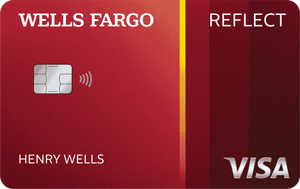
Wells Fargo Reflect® Card
Intro APR:0% intro APR for 21 months from account opening on purchases and qualifying balance transfers
Ongoing APR:17.74%, 24.24%, or 28.49% Variable APR
Rewards:
N/A
Annual Fee:$0

Opensky® Secured Visa® Credit Builder
Ongoing APR:24.14% Variable
Rewards:
10% (cash back)
Earn up to 10% cash back on purchases made with your opensky Secured Visa Credit Card at 40,000+ retailers. Visit opensky Rewards in the opensky app for participating retailers. Learn more at openskycc.com. See Rewards Terms and Conditions for more information.
Annual Fee:$35
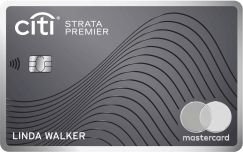
Citi Strata Premier® Card
Intro bonus:
60,000 Points
Earn 60,000 bonus ThankYou® Points after spending $4,000 in the first 3 months of account opening, redeemable for $600 in gift cards or travel rewards at thankyou.com.
Ongoing APR:19.74% - 27.74% (Variable)
Rewards:
1x - 10x (Points per dollar)
Earn 10 Points per $1 spent on Hotels, Car Rentals, and Attractions booked on CitiTravel.com. Earn 3 Points per $1 on Air Travel and Other Hotel Purchases, at Restaurants, Supermarkets, Gas and EV Charging Stations. Earn 1 Point per $1 spent on all other purchases.
Annual Fee:$95

Costco Anywhere Visa® Card by Citi
Ongoing APR:18.99% - 26.99% (Variable)
Rewards:
1% - 5% (cash back)
Earn 5% cash back rewards on gas at Costco and earn 4% cash back on other eligible gas and electric vehicle (EV) charging purchases for the first $7,000 combined spend per year, and then 1% thereafter. 3% cash back on restaurants and eligible travel purchases and eligible travel, including Costco Travel. 2% cash back on all other purchases from Costco and Costco.com. 1% cash back on all other purchases.
Annual Fee:$0

Citi® / AAdvantage® Globe™ Mastercard®
Ongoing APR:19.74% - 29.74% (Variable)
Rewards:
1x - 6x (Miles per dollar)
Earn 6 AAdvantage® miles for every $1 spent on eligible hotels booked through aadvantagehotels.com. Earn 3 AAdvantage® miles for every $1 spent on eligible American Airlines purchases. Earn 2 AAdvantage® miles for every $1 spent at restaurants, including takeout and delivery. Earn 1 AAdvantage® miles for every $1 spent on all other purchases.
Annual Fee:$350
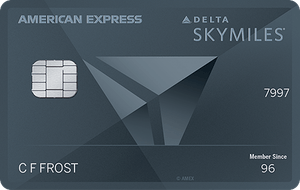
Delta SkyMiles® Reserve American Express Card
Intro bonus:
Earn 2 Delta Comfort Flight Certificates + 50K Miles
Earn two domestic Delta Comfort Flight Certificates + 50,000 Bonus Miles after $10,000 in purchases on your new Card in your first 6 months. A 21+ day advance purchase required. Taxes and fees up to $80 per person apply. Terms and other restrictions apply. Offer ends 11/04/2026.
Ongoing APR:19.74%-28.74% Variable
Rewards:
1x - 3x (Miles per dollar)
Earn 3X Miles on Delta purchases and earn 1X Miles on all other eligible purchases.
Annual Fee:$650

Citi Simplicity® Card
Intro APR:0% intro APR for 18 months from account opening on purchases and qualifying balance transfers
Ongoing APR:17.74% - 28.49% (Variable)
Rewards:
N/A
Annual Fee:$0
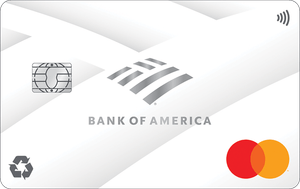
BankAmericard® secured credit card
Ongoing APR:26.24% Variable
Rewards:
N/A
Annual Fee:$0
See all our best credit cards for 2026.
Residual Interest Example
Here's an example of how residual interest works, assuming your credit card has an annual percentage rate (APR) of 21%.
Say you used your credit card to cover an unexpected expense last month and couldn't pay the full balance when you received your credit card bill. After making your payment, you have a balance of $500.
Because you don't want to add to your debt load, you avoid using your credit card during the current billing cycle. When you receive your statement, you pay off the statement balance, expecting to owe no more.
But your billing cycle ended on the 14th of the month, and the card issuer received your payment on the 30th. During that 14-day window, your balance earned residual interest that the credit card company adds to next month's bill.
To get an idea of the residual interest charges, divide your APR by 365 to calculate the daily interest rate (21% / 365 = 0.0575%). Then multiply the daily interest rate by your balance to determine the amount of interest that accrues each day (0.0575% x $500 = 28.75 cents).
Because the balance accrued interest for 14 days, you'll be charged approximately $4.07 in residual interest for the month.
Tip: If you lose your grace period because you carry a balance from month to month, you can typically get it back by paying the full amount you owe.
How to Avoid Residual Interest
Here are a few strategies to help you avoid residual interest charges.
- Pay your full statement balance on time every month. If you pay your total balance each month before the grace period ends, your account won't accrue interest. Grace periods generally apply to purchases but not cash advances, which usually start accruing interest right away. Depending on the card issuer, you may also have a grace period on balance transfers. Be sure to read the terms and conditions of your credit card agreement carefully to understand the interest charges that apply.
- Request a payoff balance. Contact your card issuer to find out how much you need to pay to get your balance to $0. This payoff amount includes any residual interest charges. But you must pay it immediately by phone or online. If you wait, interest will continue to accrue, and those charges will be applied to your next bill.
- Pay off the balance before the billing cycle closes. When you make a payment before the billing cycle closes, there's no time between the statement issue date and the day the company receives your payment. So, residual interest doesn't have a chance to accrue.
Learn more: What Happens if You Only Pay the Minimum on Your Credit Card?
Frequently Asked Questions
The Bottom Line
Residual interest charges can sneak up on you even after you've paid your statement balance in full if you don't understand how your credit card's grace period works and the issuer calculates interest. Contacting your issuer for a payoff amount and monitoring your statement in real time can help you determine how much you need to pay to avoid residual interest charges.
If you carry a balance from month to month, make sure your credit utilization doesn't get too high. You can check your FICO® ScoreΘ for free from Experian anytime to help you understand how carrying a balance affects your credit.
Don’t apply blindly
Apply for credit cards confidently with personalized offers based on your credit profile. Get started with your FICO® Score for free.
See your offers
About the author

Jennifer Brozic
Jennifer Brozic is a freelance content marketing writer specializing in personal finance topics, including building credit, personal loans, auto loans, credit cards, mortgages, budgeting, insurance, retirement planning and more.
Read more from Jennifer