
 Edited by Peggy Bennett
Travel Insurance for Hawaii
Edited by Peggy Bennett
Quick Answer
Learn if you should get travel insurance for a trip to Hawaii, what travel insurance does and doesn’t cover and how much it costs.

During a Hawaii vacation, illness, injury and flight cancellations are just some of the curveballs that can disrupt your trip. Travel insurance for Hawaii can help you recoup some of your travel expenses if your trip is delayed, interrupted or canceled—but it isn't required. Here's what you need to know to decide whether travel insurance makes sense for your trip to the Aloha State.
Do I Need Travel Insurance for Hawaii?
Travel insurance isn't required for a trip to Hawaii, but it is often a good idea since the average Hawaiian family vacation costs around $12,000, according to the Hawaii Vacation Guide. Coverage provides financial protection against mishaps including travel disruptions, medical emergencies, lost luggage and other unexpected events. You can also buy specialized policies or add-on coverage to get extra protection for circumstances that aren't typically covered by standard policies, such as adventure activities, preexisting conditions, pets and canceling your trip for any reason.
What Does Travel Insurance for Hawaii Cover?
As with all insurance policies, Hawaii travel insurance coverage and reimbursement amounts vary. The following circumstances are commonly covered, but some insurers may offer the option of mixing and matching coverage provisions within a specific policy.
- Trip cancellation and interruption: Travel insurance typically reimburses nonrefundable expenses like airfare, hotel stays and prebooked activities if your trip is interrupted or canceled due to a covered emergency. Covered events commonly include injury, illness, the death of a family member and more. Check your policy details for a complete list of incidents your plan may cover.
- Trip delay: Most travel insurance covers the cost of a hotel stay and meals if your flight is delayed significantly (check the fine print to confirm what qualifies) or canceled. It may also reimburse your nonrefundable travel expenses affected by the disruption in your travel plans.
- Baggage loss and damage: If your luggage doesn't arrive at the airport when you do, your insurer may reimburse you for essentials, like clothing, toiletries and medication until you're reunited with your bags. And if your luggage is totally lost, you may be able to receive a payment for each lost bag up to your policy's limit.
- Medical emergencies: Travel insurance pays for the cost of your medical care if you get sick or injured on your trip. But exceptions may apply, especially if you have a preexisting condition or were hurt participating in an uncovered sport or activities.
- Rental car damage: If you plan to rent a car on your trip, some plans offer cover damage up to the policy's limit if the car is in an accident, stolen or vandalized.
- Accidental death and dismemberment: If you're severely injured or die during an accident on your trip, some plans offer a payout to you or your beneficiaries. But the types of qualifying accidents are sometimes limited, so check the fine print on your policy to understand what circumstances are covered.
- Emergency evacuation: If medical treatment isn't available in your current location, this benefit covers the cost of transportation to the nearest medical facility or hospital.
- Natural disasters: Some travel insurance policies offer financial protection if you have to cancel or interrupt your trip due to severe weather or a natural disaster, like an earthquake, tornado or severe storm.
- Cancel for any reason (CFAR): CFAR is a specialized type of policy that allows you to cancel your trip for any reason. Although it only typically reimburses you for 50% to 75% of the insured costs, it can help you rest easy that you'll get some of your vacation budget back. To qualify, you usually need to purchase this coverage within 14 to 21 days of making your first trip payment and may have to meet other requirements.
Learn more: What Does Travel Insurance Cover?
How Much Does Travel Insurance for Hawaii Cost?
Generally speaking, your trip's cost has the largest impact on the price of travel insurance for Hawaii. But most travel insurance costs around 4% to 8% of the total price, according to the U.S. Travel Insurance Association. So if your Hawaii vacation costs $12,000, for example, you can expect to pay between $480 to $960. Other factors can affect the cost like coverage limits, your age and whether you choose to add on extras, like CFAR coverage or adventure travel insurance.
Learn more: Average Cost of Travel Insurance
Is Travel Insurance for Hawaii Worth It?
In many cases, travel insurance for Hawaii is worth it—even though shelling out hundreds of dollars on top of your trip costs may feel like a steep expense. Without it, you could be on the hook for thousands of dollars if your trip is interrupted or canceled. Travel insurance also offers peace of mind that you're able to get the care you need in a medical emergency, especially if you plan to travel to remote areas on your trip.
How to Choose the Best Travel Insurance for Hawaii
Use these tips to find the best travel insurance for Hawaii:
- Review your credit card benefits. Many credit cards offer protection when you travel, especially if you have a travel credit card. But to qualify for coverage for trip delays, cancellation, lost baggage or rental covers, you generally need to put the trip expenses on your card. See what's covered to help decide if you want more coverage.
- Check the fine print. Many travel insurance policies have exclusions, so it's important to look closely at what's covered to make sure a plan meets your specific insurance needs. You may also have to buy coverage by a certain cutoff date or meet other requirements to qualify for reimbursement.
- Shop around. Plans vary widely—from coverage limits to exclusions. But comparing options from different travel insurance companies, tour operators and airlines is a good way to find the best travel insurance for Hawaii.
- Consider extra coverage: Many insurers offer add-on coverage for events not typically covered by standard plans. For example, if you plan to zipline or go skydiving in Hawaii, you may need to purchase an adventure sports and activities rider or or separate policy for coverage.
Best travel cards of 2026
Compare cards from our partners that earn valuable points or miles and unlock travel perks on flights and hotel stays.
Offers from our partners
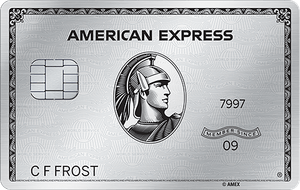
American Express Platinum Card®
Intro bonus:
As High As 175,000 points. Find Out Your Offer.
You may be eligible for as high as 175,000 Membership Rewards® Points after spending $12,000 in eligible purchases on your new Card in your first 6 months of Membership. Welcome offers vary and you may not be eligible for an offer.
Ongoing APR:See Pay Over Time APR
Rewards:
1x - 5x (Points per dollar)
Get more for your travels with 5X Membership Rewards® points on all flights and prepaid hotel bookings through American Express Travel®, including Fine Hotels + Resorts® and The Hotel Collection bookings. You earn 5X points on flights purchased directly from airlines or through American Express Travel® on up to $500,000 on these purchases per calendar year.
Annual Fee:$895
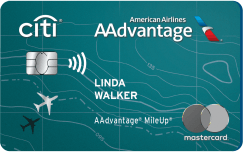
American Airlines AAdvantage® MileUp® Card
Intro APR:0% for 15 months on Balance Transfers
Ongoing APR:19.74% - 29.74% (Variable)
Rewards:
2x (Miles per dollar)
Earn 2 AAdvantage® miles for each $1 spent at grocery stores, including grocery delivery services. Earn 2 AAdvantage® miles for every $1 spent on eligible American Airlines purchases. Save 25% on inflight food and beverage purchases when you use your card on American Airlines flights
Annual Fee:$0

Citi® / AAdvantage® Globe™ Mastercard®
Ongoing APR:19.74% - 29.74% (Variable)
Rewards:
1x - 6x (Miles per dollar)
Earn 6 AAdvantage® miles for every $1 spent on eligible hotels booked through aadvantagehotels.com. Earn 3 AAdvantage® miles for every $1 spent on eligible American Airlines purchases. Earn 2 AAdvantage® miles for every $1 spent at restaurants, including takeout and delivery. Earn 1 AAdvantage® miles for every $1 spent on all other purchases.
Annual Fee:$350
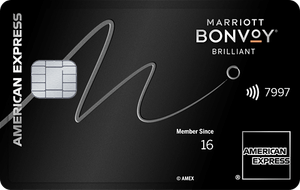
Marriott Bonvoy Brilliant® American Express® Card
Intro bonus:
100,000 Bonus Points
Earn 100,000 Marriott Bonvoy® bonus points after you use your new Card to make $6,000 in purchases within the first 6 months of Card Membership.
Ongoing APR:19.74%-28.74% Variable
Rewards:
2x - 6x (Points per dollar)
Earn 6X Marriott Bonvoy® points for each dollar of eligible purchases at hotels participating in Marriott Bonvoy. Earn 3X points at restaurants worldwide and on flights booked directly with airlines. Earn 2X points on all other eligible purchases.
Annual Fee:$650
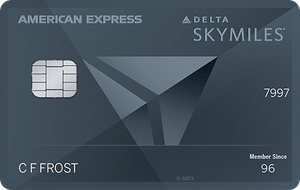
Delta SkyMiles® Reserve American Express Card
Intro bonus:
Earn 2 Delta Comfort Flight Certificates + 50K Miles
Earn two domestic Delta Comfort Flight Certificates + 50,000 Bonus Miles after $10,000 in purchases on your new Card in your first 6 months. A 21+ day advance purchase required. Taxes and fees up to $80 per person apply. Terms and other restrictions apply. Offer ends 11/04/2026.
Ongoing APR:19.74%-28.74% Variable
Rewards:
1x - 3x (Miles per dollar)
Earn 3X Miles on Delta purchases and earn 1X Miles on all other eligible purchases.
Annual Fee:$650
Delta SkyMiles® Gold American Express Card
Intro bonus:
As High As 80K Miles + $250 Statement Credit
You may be eligible for as high as 80,000 Bonus Miles and a $250 Statement Credit after you spend $3,000 in eligible purchases on your new Card in your first 6 months of Card Membership. Apply to find out your offer. Terms Apply. Offer ends 11/04/2026.
Ongoing APR:19.74%-28.74% Variable
Rewards:
1x - 2x (Miles per dollar)
When you use your Delta SkyMiles® Gold American Express Card, you can earn: 2X miles on Delta Purchases, 2X miles at restaurants, 2X miles at U.S. supermarkets, 1X miles on all other eligible purchases. Every mile you earn brings you closer to the places you want to go. Turn them into your next trip, use them for seat upgrades, and more.
Annual Fee:$0 introductory annual fee for the first year, then $150.
Delta SkyMiles® Platinum American Express Card
Intro bonus:
As High As 90K Miles + $300 Statement Credit
You may be eligible for as high as 90,000 Bonus Miles and a $300 Statement Credit after you spend $4,000 in eligible purchases on your new Card in your first 6 months of Card Membership. Apply to find out your offer. Terms Apply. Offer ends 11/04/2026.
Ongoing APR:19.74%-28.74% Variable
Rewards:
1x - 3x (Miles per dollar)
Earn 3X Miles on Delta purchases and purchases made directly with hotels. Earn 2X Miles at restaurants worldwide including takeout and delivery in the U.S., and at U.S. supermarkets. Earn 1X Miles on all other eligible purchases.
Annual Fee:$350
Marriott Bonvoy Bevy® American Express® Card
Intro bonus:
85,000 Bonus Points
Earn 85,000 Marriott Bonvoy® bonus points after you use your new Card to make $5,000 in purchases within the first 6 months of Card Membership.
Ongoing APR:19.74%-28.74% Variable
Rewards:
2x - 6x (Points per dollar)
Earn 6X Marriott Bonvoy® points for each dollar of eligible purchases at hotels participating in Marriott Bonvoy®. Earn 4X points at restaurants worldwide and U.S. Supermarkets (on up to $15,000 in combined purchases at restaurants and U.S. supermarkets per calendar year, then 2X points). Earn 2X points on all other eligible purchases.
Annual Fee:$250
See all our best travel credit cards for 2026.
The Bottom Line
Travel insurance for Hawaii isn't required, but it offers many protections in case something goes wrong on your trip. The high cost of a Hawaii vacation, the state's remote location and potential for unpredictable severe weather are all strong reasons to consider travel insurance. And if you plan to go on any high-risk adventures—like snorkeling, hiking or an ATV tour—purchasing extra coverage beyond a standard policy can offer added peace of mind.
What’s on your credit report?
Stay up to date with your latest credit information—and get your FICO® Score for free.
Get your free reportNo credit card required

About the author

Sarah Archambault
Sarah Archambault is a personal finance writer and editor who enjoys helping others figure out how to make smart financial decisions. She’s an expert in credit education, auto finance, banking, personal loans, insurance and credit cards.
Read more from Sarah