Tag: data

Model inventories are rapidly expanding. AI-enabled tools are entering workflows that were once deterministic and decisioning environments are more interconnected than ever. At the same time, regulatory scrutiny around model risk management continues to intensify. In many institutions, classification determines validation depth, monitoring intensity, and escalation pathways while informing board reporting. If classification is wrong, every downstream control is misaligned. And, in 2026, model classification is no longer just about assigning a tier, but rather about understanding data lineage, use case evolution, interdependencies, and governance accountability in a decentralized, AI-driven environment. We recently spoke with Mark Longman, Director of Analytics and Regulatory Technology, and here are some of his thoughts around five blind spots risk and compliance leaders should consider addressing now. 1. The “Set It and Forget It” Mentality The Blind Spot Model classification frameworks are often designed during a regulatory remediation effort or inventory modernization initiative. Once documented and approved, they can remain largely unchanged for years. However, model risk management is an ongoing process. “There’s really no sort of one and done when it comes to model risk management,” said Longman. Why It Matters Classification is not merely descriptive, it’s prescriptive. It drives the depth of validation, the frequency of monitoring, the intensity of governance oversight and the level of senior management visibility. As Longman notes, data fragmentation is compounding the challenge. “There’s data everywhere – internal, cloud, even shadow IT – and it’s tough to get a clear view into the inputs into the models,” he said. When inputs are unclear, tiering becomes inherently subjective and if classification frameworks are not reviewed regularly, governance intensity can become misaligned with real exposure. Therefore, static classification is a growing risk, especially in a world of rapidly expanding AI use cases. In a supervisory environment that continues to scrutinize model definitions, particularly as AI tools proliferate, a dynamic, periodically refreshed classification process can demonstrate institutional vigilance. 2. Assuming Third-Party Models Reduce Governance Accountability The Blind SpotThere is often an implicit belief that vendor-provided models carry less governance burden because they were developed externally. Why It Matters Vendor provided models continue to grow, particularly in AI-driven solutions, but supervisory expectations remain firm. “Third-party models do not diminish the responsibility of the institution for its governance and oversight of the model – whether it’s monitoring, ongoing validation, just evaluating drift model documentation,” Longman said. “The board and senior managers are responsible to make sure that these models are performing as expected and that includes third-party models.” Regulators consistently emphasize that institutions remain responsible for the outcomes produced by models used in their decisioning environments, regardless of origin. If a vendor model influences credit approvals, pricing, fraud decisions, or capital calculations, it directly affects customers, financial performance and compliance exposure. Treating third-party models as inherently lower risk can also distort internal tiering frameworks. When vendor models are under-classified, validation depth and monitoring rigor may be insufficient relative to their true impact. 3. Limited Situational Awareness of Model Interdependencies The Blind Spotfeed multiple downstream models simultaneously. Why It Matters Risk often flows across interdependencies. When upstream models degrade in performance or introduce bias, downstream models inherit that exposure. If multiple material decisions depend on the same data transformation or feature engineering process, concentration risk emerges. Without visibility into these dependencies, tiering assessments may underestimate cumulative risk, and monitoring frameworks may fail to detect systemic vulnerabilities. “There has to be a holistic view of what models are being used for – and really somebody to ensure there’s not that overlap across models,” Longman said. Supervisors are increasingly interested in understanding how model risk propagates through business processes. When institutions cannot articulate how models interact, it raises broader concerns about situational awareness and control effectiveness. Therefore, capturing interdependencies within the classification framework enhances more than documentation. It enables more accurate tiering, more targeted monitoring and more informed governance oversight. 4. Excluding Models Without Defensible Rationale The Blind SpotGray-area tools frequently sit outside formal inventories: rule-based engines, spreadsheet models, scenario calculators, heuristic decision aids, or emerging AI tools used for analysis and summarization. These tools may not neatly fit legacy definitions of a “model,” and so they are sometimes excluded without robust documentation. Why It Matters Regulatory definitions of “model” have broadened over time. What creates risk is the absence of defensible reasoning and documentation. Longman describes the risk clearly: “Some [teams] are deploying AI solutions that are sort of unbeknownst to the model risk management community – and almost creating what you might think of as a shadow model inventory.” Without visibility, institutions cannot confidently characterize use, trace inputs, or assign appropriate tiers, according to Longman. It also undermines the credibility of the official inventory during examinations. A well-governed program can articulate why certain tools fall outside model risk management scope, referencing documented criteria aligned with regulatory guidance. Without that evidence, exclusions can appear arbitrary, suggesting gaps in oversight. 5. Inconsistent or Subjective Classification Frameworks The Blind SpotAs inventories scale and governance teams expand, classification decisions are often distributed across reviewers. Over time, discrepancies can emerge. Why It Matters Inconsistency undermines both risk management and regulatory confidence. If two models with comparable use cases and impact profiles are assigned different tiers without clear justification, it signals that the framework is not being applied uniformly. AI adds even more complexity. When it comes to emerging AI model governance versus traditional model governance, there’s a lot to unpack, says Longman: “The AI models themselves are a lot more complicated than your traditional logistic or multiple regression models. The data, the prompting, you need to monitor the prompts that the LLMs for example are responding to and you need to make sure you can have what you may think of as prompt drift,” Longman said. As frameworks evolve, particularly to incorporate AI, automation, and new regulatory interpretations, institutions must ensure that changes are cascaded across the entire inventory. Partial updates or selective reclassification introduce fragmentation. Longman recommends formalizing classification through a structured decision tree embedded in policy to ensure consistent outcomes across business units. Beyond clear documentation, a strong classification program is applied consistently, measured objectively, and periodically reassessed across the full portfolio. BONUS – 6. Elevating Classification with Data-Level Visibility Some institutions are extending classification discipline beyond models to the data layer itself. Longman describes organizations that maintain not only a model inventory, but a data inventory, mapping variables to the models they influence. This approach allows institutions to quickly assess downstream effects when operational or environmental changes occur including system updates or even natural disasters affecting payment behavior. In an AI-driven environment, traceability may become a competitive differentiator. Conclusion Model classification is foundational. It determines how risk is measured, monitored, escalated, and reported. In a rapidly evolving regulatory and technological environment, it cannot remain static. Institutions that invest now in transparency, consistency, and data-level visibility will not only reduce supervisory friction – they will build a governance framework capable of supporting the next generation of AI-enabled decisioning. Learn more

Day 1 of Vision 2025 is in the books – and what a start. From bold keynotes to breakout sessions and networking under the Miami sun, the energy and inspiration were undeniable. A wave of change: Jeff Softley opens Vision 2025 The day kicked off with a powerful keynote from Jeff Softley, Experian North America CEO, who issued a call to action for the industry: to not just adapt to change, but to lead it. “It isn’t a ripple – it’s a tidal wave of technology,” Jeff said. “Together we ride this wave with confidence.” His keynote set the tone for a day centered on innovation and the future of financial services – where technology, insight and trust converge to create lasting impact. Jeff continues this conversation in the latest Experian Exchange episode, where he explores three forces shaping the industry: the rise of AI, the demand for personalized digital experiences and the mission to expand credit access for all. Turning vision into action: Alex Lintner on agentic AI Building on Jeff’s message, Alex Lintner, CEO of Experian Software and Technology, took the stage to show how Experian is turning innovation into measurable results. His keynote explored how agentic and advanced AI capabilities are redefining financial services ROI and powering the next generation of the Ascend Platform™. For a deeper look into how Experian is reshaping the economics of credit and fraud decisioning, read the latest American Banker feature. Unfiltered insights from “Mr. Wonderful” The day’s highlight came from Kevin O’Leary, investor, entrepreneur and the always-candid “Mr. Wonderful.” With his trademark wit and honesty, Kevin shared sharp insights on thriving in a disruptive economy, offering candid advice on leadership, risk and opportunity. He even gave attendees a peek behind the Shark Tank curtain, revealing a few surprises and the mindset that drives his bold business decisions. Breakouts that inspired and informed The conference floor buzzed with energy as attendees joined breakout sessions on fraud defense, AI-driven personalization, regulatory trends and consumer insights. Sessions highlighted how Experian’s unified value proposition is fueling double-digit growth, how to future-proof credit risk strategies and how data and innovation are redefining customer engagement across the lifecycle. Hands-on innovation and connection The Innovation Showcase gave attendees an up-close look at Experian’s latest tools and technologies in action. Meanwhile, friendly competition kept the excitement high through the Vision mobile app leaderboard – with every check-in and connection earning points toward the top spot. Networking beyond the conference hall walls As the sun set, Vision 2025 shifted into high gear with unforgettable networking events across Miami – from golf at the Miller Course to art walks, brewery tours and a scenic cruise through Biscayne Bay. An evening to remember The day closed with the first-ever Vision Awards Dinner, celebrating standout leaders who are shaping the future of financial services. Up Next: Day 2 The momentum continues tomorrow as more keynote speakers take the stage. Stay tuned for more insights, innovation, and inspiration from Vision 2025.

Income and employment verification fraud is surging in the tenant screening industry, putting traditional verification methods under intense pressure. As economic uncertainty grows and document forgery becomes more sophisticated, it's clear that legacy processes are no longer sufficient. Recent findings highlight the urgency for change. According to the NMHC Pulse Survey, 93.3% of property managers reported encountering fraud in the past year, with 84.3% citing falsified paystubs and fake employment references as the most common tactics. As AI-generated forgeries become increasingly convincing and accessible, relying solely on manual review is proving inadequate. A Shift in Strategy: Toward Smarter Income and Employment Verification Historically, tenant screeners have relied on methods such as manual document review, direct employer contact, payroll APIs, and verification of assets (VOA). While these remain important, they are no longer capable of keeping pace with today’s verification challenges. In response, many screening companies are exploring new income verification tools that offer improved fraud prevention, lower operational costs, and faster turnaround. These innovations include layered approaches that combine observed data, permissioned uploads, and automated fraud detection technologies. Introducing Experian Observed DataTM in Tenant Screening One emerging solution in the fight against rental application fraud is the use of observed data during tenant screening. This method uses collectively sourced insights to assess whether an applicant’s income and employment claims are likely to be accurate. Experian Observed Data is takes inputs from many sources including creditors, property managers and others. This type of data starts out as consumer stated data but is substantiated by third party creditors who have originated lending products and report on the performance of these products. Although this method is not FCRA-compliant and cannot be used to approve or deny applications, it is highly effective as an early step in the screening process. Some sources of Experian Observed Data include a confidence score that can help screeners assess how closely an applicant’s stated information aligns with observed trends and can help screening companies to better assess their prioritization queue to determine if more data points are needed. Why Experian Observed Data Matters To combat fraud without driving up costs or slowing down the tenant screening process, screening companies need reliable, efficient tools. Experian Observed Data supports this need by offering a faster, more scalable approach to assessing risk. Key benefits include: Early detection of discrepancies in reported income or employment The ability to prioritize high-risk applications for further review A more cost-effective alternative before committing to premium verification services For instance, if an applicant has a strong credit report and clean background check, and Experian Observed Data supports their stated income, further verification may be unnecessary. If inconsistencies are flagged, screening companies can escalate to tools such as AI document analysis or direct outreach. Fraud Prevention Through Smarter Workflows The use of Experian Observed Data also aligns with a broader shift toward AI document fraud detection and layered verification strategies. Instead of applying the same tools to every application, screening companies can now implement decision trees that use lower-cost tools first, escalating only when risk or uncertainty increases. This adaptive approach is particularly relevant as screener companies strive to improve accuracy and efficiency at scale. By deploying Experian Observed Data as a first step, tenant screening professionals can better allocate resources while remaining vigilant against fraud Future Proofing Verificaiton As the income and employment verification landscape evolves, screening companies must move beyond legacy methods and adopt tools that are responsive to today’s challenges. Experian Observed Data provides a scalable, low friction starting point that supports smarter decision-making and better fraud detection. Coming to our next blog: We will explore how manual research verifications and AI-powered document upload solutions enhance the effectiveness of modern income verification tools, creating a more resilient and adaptable tenant screening process.

Credit decisioning has traditionally relied on static data like credit bureau scores, income statements, and past repayment history. As financial behavior becomes more dynamic and consumer expectations shift toward instant decisions, real-time data is emerging as a powerful tool in reshaping how lenders assess risk.

What is feature engineering? Feature engineering helps organizations turn raw data into comprehensive model development. This process depends heavily on creating new custom features to enhance model performance, as well as the quality of the data being used. When data is fragmented or managed poorly, it can lead to increased operational costs, missed revenue opportunities, and compliance risks. The necessity of integrated feature management Feature engineering is essential for financial institutions to identify valuable features that provide significant insights and predictive power in various analytics applications. By integrating feature engineering into the feature lifecycle, organizations can convert raw data into more accurate and value-driving features, better manage features for audit purposes and compliance efforts, and build higher-performing models. At Experian, we have developed a unified feature engineering solution that integrates capabilities across various tools such as the Ascend Analytical Sandbox™ and Ascend Ops™. This comprehensive approach streamlines the feature engineering process, making it more efficient and effective in supporting the complete feature lifecycle. The challenges in feature engineering 54% of source data used by financial institutions for credit decisioning is not model-building ready.1 Financial institutions need access to high-quality data sources and the ability to modify and combine data to make more profitable data-driven decisions. In addition, organizations need the necessary tools to solve the myriad of challenges involved with feature engineering. These challenges include: Costs: Sourcing and centralizing data can be expensive, and managing and updating data definitions for engineering and analytics is costly. Collaboration: Managing a centralized feature library is difficult and often skipped. As AI and analytics teams become more complex across the enterprise, maintaining and governing feature definitions in a centralized library is a must-have. Inconsistencies: Calculating features can vary. Different calculations in development and production use cases across the lending lifecycle create model risks and compliance issues. Governance risks: Tracking lineage of data definitions is important to avoid elevating risks. Data engineers and scientists need to visualize upstream and downstream impacts as they modify feature definitions. Resources: Teams often have skills gaps and require additional expertise, as they may lack an understanding of automated credit reports amongst resources. Integration: Evaluating and integrating features into the analytics lifecycle is difficult. This can hinder understanding of the value of models and strategies throughout the lending lifecycle and create friction at deployment. Experian Feature Builder: a comprehensive solution Experian Feature Builder is a modern, integrated custom feature solution that combines development, deployment, and management technologies. It accelerates the feature lifecycle through efficient data management and streamlined end-to-end workflows. Users can access the Ascend Analytical Sandbox for custom feature development and seamless connection to Ascend Ops for deployment and ongoing management. This integration also significantly enhances compliance and governance by adding a layer of visibility into feature performance, thereby reducing risks through feature monitoring. Leveraging best-in-class technologies Feature Builder Notebooks enables users to review feature code in Jupyter Notebooks within Ascend Analytical Sandbox, explore data, execute small sample feature calculations, examine feature distributions, edit feature code, and register to the feature library. Feature Builder Studio enables users to review and manage features in the feature library, set up feature calculation jobs, and define feature sets for deployment. Users can also add Ascend Ops to deploy to production with little to no friction. Supporting advanced analytics in consumer credit with integrated feature management Experian Feature Builder provides a centralized feature library, ultimately improving time to market and decisions to extend credit while managing default and fraud risks. Centralized access to data sources used in custom features and intermediation of third-party data sourcing. Advanced lineage tracking for a clear view of the history of upstream and downstream feature dependencies for governance purposes. Streamlined feature registry for built-in version management and tracking with feature correlations and distributions. Key statistical reporting for out-of-the-box data visualizations and monitoring of feature correlations and distributions. Comprehensive feature lifecycle support through integration with Ascend Analytical Sandbox for rapid analytics use case iteration and experimentation as well as production-grade execution and deployment with Ascend Ops. The future of feature engineering Understanding how essential feature engineering is in producing value-driving features, managing and monitoring features for audit and compliance purposes, and more predictive and high-performing models is pivotal to maintaining competitiveness in the financial services industry. Experian Feature Builder is the future of feature engineering. With integration for advanced analytics, model development through deployment, and enhanced feature management capabilities supporting compliance and governance, Experian Feature Builder supports the complete feature lifecycle. To learn more about how Experian Feature Builder can revolutionize your feature engineering, please visit our website and book a demo with your local Experian sales team. Learn more about Feature Builder 1 Experian research 2023
Lending institutions need to use the right business strategies to win more business while avoiding unnecessary risk, especially regarding lending policies. A recent study revealed that 48% of American loan applicants have been denied over the past year, with 14% facing multiple rejections. Additionally, 14% of rejected applicants felt pressured to seek alternative financing like cash advances or payday loans.1 These statistics highlight the need for financial institutions to offer attractive loan options to stay ahead in the industry. Understanding loan loss analysis Loan loss analysis is a powerful tool that helps lenders gain insights into why applicants book loans elsewhere. Despite efforts to target the right consumers at the right time with optimal offers, applicants sometimes choose to book their loans with different institutions. The lack of visibility into where these lost loans are booked can hinder a lender’s ability to improve their offerings and validate existing policies. By leveraging loan loss analysis, lenders can turn valuable data into actionable insights, creating more profitable business opportunities throughout the entire customer lifecycle. Gaining deep consumer insights Loan loss analysis provides visibility into various aspects of competitors’ loan characteristics, such as: Type of financial institution: Identifying whether applicants prefer banks, credit unions or finance companies can help lenders tailor their offerings. Average loan amount: Understanding how much other institutions offer allows lenders to adjust their loan amounts to be more competitive. Interest rates: Comparing interest rates with competitors helps lenders calibrate their rates to attract more business. Loan term length: Knowing the term lengths offered by competitors can inform decisions on loan terms to make them more appealing. Average risk score: Determining the risk scores of loans booked elsewhere helps lenders optimize their policies to maximize earning potential without increasing default risk. Making profitable decisions with business intelligence Experian's loan loss analysis solution, Ascend Intelligence Services™ Foresight, offers comprehensive insights to help lenders: Book more loans Increase profitability Enhance acquisition strategies Improve customer retention Optimize marketing spend By determining where applicants ultimately book their loans, lenders can unlock deep insights into competitors’ loan characteristics, leading to more intelligent business decisions. Read our latest e-book to discover how loan loss analysis can help you gain visibility into competitor offerings, improve your lending policies, book higher-performing loans, and minimize portfolio risk. Read the e-book Visit our website 1 Bankrate, February 2025. Survey: Almost half of loan applicants have been denied over the past 12 months.

Market volatility, evolving regulations, and shifting consumer expectations are a catalyst to make energy providers to rethink how they operate. Rising energy costs, grid reliability concerns, and the push for sustainable energy sources add layers of complexity to an already challenging landscape. In this environment, data analytics in utilities has become a strategic imperative, enabling companies to optimize operations, mitigate risks, and enhance customer experiences. With a wealth of data at their disposal, utilities must harness the power of utility analytics to transform raw information into actionable intelligence. This is where Experian’s energy and utilities solutions come into play. With an unmatched data reach of more than 1.5 billion consumers and 201 million businesses, we are uniquely positioned to help energy and utility providers unlock greater potential within their organizations, whether that’s by boosting customer engagement, preventing fraud and verifying identities, or optimizing collections. Market Challenges Facing the Utilities Sector Utilities today face a series of economic, regulatory, and operational hurdles that demand innovative solutions. Regulatory and Compliance Pressures: Governments and regulatory bodies are tightening rules around emissions, sustainability, and grid reliability. Utilities must balance compliance with the need for cost efficiency. New carbon reduction mandates and reporting requirements force energy providers to adopt predictive modeling solutions that assess future demand and optimize energy distribution. Economic Uncertainty and Rising Costs: Inflation, fuel price fluctuations, and supply chain disruptions are impacting the cost of delivering energy. Utilities must find ways to improve financial forecasting and reduce inefficiencies—tasks well suited for advanced analytics solutions that optimize asset management and detect cost-saving opportunities. Grid Modernization and Infrastructure Investments: Aging infrastructure and increased energy demand require significant investments in modernization. Data-driven insights help utilities prioritize infrastructure upgrades, preventing costly failures and ensuring reliability. Predictive analytics models play a crucial role in identifying patterns that signal potential grid failures before they occur. Customer Expectations and Energy Transition: Consumers are more engaged than ever, demanding personalized service, real-time billing insights, and renewable energy options. Utilities must leverage advanced analytics to segment customer data, predict energy usage, and offer tailored solutions that align with shifting consumer preferences. Rising Fraud: Account takeover fraud, a form of identity theft where cybercriminals obtain credentials to online accounts, is on the rise in the utility sector. Pacific Gas and Electric Company reported over 26,000 reports of scam attempts in 2024 and has received over 1,700 reports of attempted scams in January 2025 alone. Utility and energy providers must leverage advanced fraud detection and identity verification tools to protect their customers and also their business. How Data Analytics Is Transforming the Utilities Industry Optimizing Revenue and Reducing Fraud Fraud and revenue leakage remain significant challenges. Utilities can use data and modeling to detect anomalies in energy usage, identify fraudulent accounts, and minimize losses. Experian’s predictive modeling solutions enable proactive fraud detection, ensuring financial stability for providers. Enhancing Demand Forecasting and Load Balancing With renewable energy sources fluctuating daily, accurate demand forecasting is critical. By leveraging utility analytics, providers can predict peak demand periods, optimize energy distribution, and reduce waste. Improving Credit Risk and Payment Management Economic uncertainty increases the risk of late or unpaid bills. Experian’s energy and utilities solutions help providers assess creditworthiness and develop more flexible payment plans, reducing bad debt while improving customer satisfaction. Why Experian? The Power of Data-Driven Decision Making Only Experian delivers a comprehensive suite of advanced analytics solutions that help utilities make smarter, faster, and more informed decisions. With more than 25 years of experience in the energy and utility industry, we are your partner of choice. Our predictive analytics models provide real-time risk assessment, fraud detection, and customer insights, ensuring utilities can confidently navigate today’s economic and regulatory challenges. In an industry defined by complexity and change, utilities that fail to leverage data analytics in utilities risk falling behind. From optimizing operations to enhancing customer engagement, the power of utility analytics is undeniable. Now is the time to act. Explore how Experian’s energy and utilities solutions can help your organization harness the power of advanced analytics to navigate market challenges and drive long-term success. Learn more Partner with our team

We are squarely in the holiday shopping season. From the flurry of promotional emails to the endless shopping lists, there are many to-dos and even more opportunities for financial institutions at this time of year. The holiday shopping season is not just a peak period for consumer spending; it’s also a critical time for financial institutions to strategize, innovate, and drive value. According to the National Retail Federation, U.S. holiday retail sales are projected to approach $1 trillion in 2024, , and with an ever-evolving consumer behavior landscape, financial institutions need actionable strategies to stand out, secure loyalty, and drive growth during this period of heightened spending. Download our playbook: "How to prepare for the Holiday Shopping Season" Here’s how financial institutions can capitalize on the holiday shopping season, including key insights, actionable strategies, and data-backed trends. 1. Understand the holiday shopping landscape Key stats to consider: U.S. consumers spent $210 billion online during the 2022 holiday season, according to Adobe Analytics, marking a 3.5% increase from 2021. Experian data reveals that 31% of all holiday purchases in 2022 occurred in October, highlighting the extended shopping season. Cyber Week accounted for just 8% of total holiday spending, according to Experian’s Holiday Spending Trends and Insights Report, emphasizing the importance of a broad, season-long strategy. What this means for financial institutions: Timing is crucial. Your campaigns are already underway if you get an early start, and it’s critical to sustain them through December. Focus beyond Cyber Week. Develop long-term engagement strategies to capture spending throughout the season. 2. Leverage Gen Z’s growing spending power With an estimated $360 billion in disposable income, according to Bloomberg, Gen Z is a powerful force in the holiday market. This generation values personalized, seamless experiences and is highly active online. Strategies to capture Gen Z: Offer digital-first solutions that enhance the holiday shopping journey, such as interactive portals or AI-powered customer support. Provide loyalty incentives tailored to this demographic, like cash-back rewards or exclusive access to services. Learn more about Gen Z in our State of Gen Z Report. To learn more about all generations' projected consumer spending, read new insights from Experian here, including 45% of Gen X and 52% of Boomers expect their spending to remain consistent with last year. 3. Optimize pre-holiday strategies Portfolio Review: Assess consumer behavior trends and adjust risk models to align with changing economic conditions. Identify opportunities to engage dormant accounts or offer tailored credit lines to existing customers. Actionable tactics: Expand offerings. Position your products and services with promotional campaigns targeting high-value segments. Personalize experiences. Use advanced analytics to segment clients and craft offers that resonate with their holiday needs or anticipate their possible post-holiday needs. 4. Ensure top-of-mind awareness During the holiday shopping season, competition to be the “top of wallet” is fierce. Experian’s data shows that 58% of high spenders shop evenly across the season, while 31% of average spenders do most of their shopping in December. Strategies for success: Early engagement: Launch educational campaigns to empower credit education and identity protection during this period of increased transactions. Loyalty programs: Offer incentives, such as discounts or rewards, that encourage repeat engagement during the season. Omnichannel presence: Utilize digital, email, and event marketing to maintain visibility across platforms. 5. Combat fraud with multi-layered strategies The holiday shopping season sees an increase in fraud, with card testing being the number one attack vector in the U.S. according to Experian’s 2024 Identity and Fraud Study. Fraudulent activity such as identity theft and synthetic IDs can also escalate. Fight tomorrow’s fraud today: Identity verification: Use advanced fraud detection tools, like Experian’s Ascend Fraud Sandbox, to validate accounts in real-time. Monitor dormant accounts: Watch these accounts with caution and assess for potential fraud risk. Strengthen cybersecurity: Implement multi-layered strategies, including behavioral analytics and artificial intelligence (AI), to reduce vulnerabilities. 6. Post-holiday follow-up: retain and manage risk Once the holiday rush is over, the focus shifts to managing potential payment stress and fostering long-term relationships. Post-holiday strategies: Debt monitoring: Keep an eye on debt-to-income and debt-to-limit ratios to identify clients at risk of defaulting. Customer support: Offer tailored assistance programs for clients showing signs of financial stress, preserving goodwill and loyalty. Fraud checks: Watch for first-party fraud and unusual return patterns, which can spike in January. 7. Anticipate consumer trends in the New Year The aftermath of the holidays often reveals deeper insights into consumer health: Rising credit balances: January often sees an uptick in outstanding balances, highlighting the need for proactive credit management. Shifts in spending behavior: According to McKinsey, consumers are increasingly cautious post-holiday, favoring savings and value-based spending. What this means for financial institutions: Align with clients’ needs for financial flexibility. The holiday shopping season is a time that demands precise planning and execution. Financial institutions can maximize their impact during this critical period by starting early, leveraging advanced analytics, and maintaining a strong focus on fraud prevention. And remember, success in the holiday season extends beyond December. Building strong relationships and managing risk ensures a smooth transition into the new year, setting the stage for continued growth. Ready to optimize your strategy? Contact us for tailored recommendations during the holiday season and beyond. Download the Holiday Shopping Season Playbook

In this article...What is fair lending?Understanding machine learning modelsThe pitfalls: bias and fairness in ML modelsFairness metricsRegulatory frameworks and complianceHow Experian® can help As the financial sector continues to embrace technological innovations, machine learning models are becoming indispensable tools for credit decisioning. These models offer enhanced efficiency and predictive power, but they also introduce new challenges. These challenges particularly concern fairness and bias, as complex machine learning models can be difficult to explain. Understanding how to ensure fair lending practices while leveraging machine learning models is crucial for organizations committed to ethical and compliant operations. What is fair lending? Fair lending is a cornerstone of ethical financial practices, prohibiting discrimination based on race, color, national origin, religion, sex, familial status, age, disability, or public assistance status during the lending process. This principle is enshrined in regulations such as the Equal Credit Opportunity Act (ECOA) and the Fair Housing Act (FHA). Overall, fair lending is essential for promoting economic opportunity, preventing discrimination, and fostering financial inclusion. Key components of fair lending include: Equal treatment: Lenders must treat all applicants fairly and consistently throughout the lending process, regardless of their personal characteristics. This means evaluating applicants based on their creditworthiness and financial qualifications rather than discriminatory factors. Non-discrimination: Lenders are prohibited from discriminating against individuals or businesses on the basis of race, color, religion, national origin, sex, marital status, age, or other protected characteristics. Discriminatory practices include redlining (denying credit to applicants based on their location) and steering (channeling applicants into less favorable loan products based on discriminatory factors). Fair credit practices: Lenders must adhere to fair and transparent credit practices, such as providing clear information about loan terms and conditions, offering reasonable interest rates, and ensuring that borrowers have the ability to repay their loans. Compliance: Financial institutions are required to comply with fair lending laws and regulations, which are enforced by government agencies such as the Consumer Financial Protection Bureau (CFPB) in the United States. Compliance efforts include conducting fair lending risk assessments, monitoring lending practices for potential discrimination, and implementing policies and procedures to prevent unfair treatment. Model governance: Financial institutions should establish robust governance frameworks to oversee the development, implementation and monitoring of lending models and algorithms. This includes ensuring that models are fair, transparent, and free from biases that could lead to discriminatory outcomes. Data integrity and privacy: Lenders must ensure the accuracy, completeness, and integrity of the data used in lending decisions, including traditional credit and alternative credit data. They should also uphold borrowers’ privacy rights and adhere to data protection regulations when collecting, storing, and using personal information. Understanding machine learning models and their application in lending Machine learning in lending has revolutionized how financial institutions assess creditworthiness and manage risk. By analyzing vast amounts of data, machine learning models can identify patterns and trends that traditional methods might overlook, thereby enabling more accurate and efficient lending decisions. However, with these advancements come new challenges, particularly in the realms of model risk management and financial regulatory compliance. The complexity of machine learning models requires rigorous evaluation to ensure fair lending. Let’s explore why. The pitfalls: bias and fairness in machine learning lending models Despite their advantages, machine learning models can inadvertently introduce or perpetuate biases, especially when trained on historical data that reflects past prejudices. One of the primary concerns with machine learning models is their potential lack of transparency, often referred to as the "black box" problem. Model explainability aims to address this by providing clear and understandable explanations of how models make decisions. This transparency is crucial for building trust with consumers and regulators and for ensuring that lending practices are fair and non-discriminatory. Fairness metrics Key metrics used to evaluate fairness in models can include standardized mean difference (SMD), information value (IV), and disparate impact (DI). Each of these metrics offers insights into potential biases but also has limitations. Standardized mean difference (SMD). SMD quantifies the difference between two groups' score averages, divided by the pooled standard deviation. However, this metric may not fully capture the nuances of fairness when used in isolation. Information value (IV). IV compares distributions between control and protected groups across score bins. While useful, IV can sometimes mask deeper biases present in the data. Disparate impact (DI). DI, or the adverse impact ratio (AIR), measures the ratio of approval rates between protected and control classes. Although DI is widely used, it can oversimplify the complex interplay of factors influencing credit decisions. Regulatory frameworks and compliance in fair lending Ensuring compliance with fair lending regulations involves more than just implementing fairness metrics. It requires a comprehensive end-to-end approach, including regular audits, transparent reporting, and continuous monitoring and governance of machine learning models. Financial institutions must be vigilant in aligning their practices with regulatory standards to avoid legal repercussions and maintain ethical standards. Read more: Journey of a machine learning model How Experian® can help By remaining committed to regulatory compliance and fair lending practices, organizations can balance technological advancements with ethical responsibility. Partnering with Experian gives organizations a unique advantage in the rapidly evolving landscape of AI and machine learning in lending. As an industry leader, Experian offers state-of-the-art analytics and machine learning solutions that are designed to drive efficiency and accuracy in lending decisions while ensuring compliance with regulatory standards. Our expertise in model risk management and machine learning model governance empowers lenders to deploy robust and transparent models, mitigating potential biases and aligning with fair lending practices. When it comes to machine learning model explainability, Experian’s clear and proven methodology assesses the relative contribution and level of influence of each variable to the overall score — enabling organizations to demonstrate transparency and fair treatment to auditors, regulators, and customers. Interested in learning more about ensuring fair lending practices in your machine learning models? Learn More This article includes content created by an AI language model and is intended to provide general information.

Experian’s award-winning platform now brings together market-leading data, generative AI and cutting-edge machine learning solutions for analytics, credit decisioning and fraud into a single interface — simplifying the deployment of analytical models and enabling businesses to optimize their practices. The platform updates represent a notable milestone, fueled by Experian’s significant investments in innovation over the last eight years as part of its modern cloud transformation. “The evolution of our platform reaffirms our commitment to drive innovation and empower businesses to thrive. Its capabilities are unmatched and represent a significant leap forward in lending technology, democratizing access to data in compliant ways while enabling lenders of all sizes to seamlessly validate their customers’ identities with confidence, help expand fair access to credit and offer awesome user and customer experiences,” said Alex Lintner CEO Experian Software Solutions. The enhanced Experian Ascend Platform dramatically reduces time to install and offers streamlined access to many of Experian's award-winning integrated solutions and tools through a single sign-on and a user-friendly dashboard. Leveraging generative AI, the platform makes it easy for organizations of varying sizes and experience levels to pivot between applications, automate processes, modernize operations and drive efficiency. In addition, existing clients can easily add new capabilities through the platform to enhance business outcomes. Read Press Release Learn More Check out Experian Ascend Platform in the media: Transforming Software for Credit, Fraud and Analytics with Experian Ascend Platform™ (Episode 160) Reshaping the Future of Financial Services with Experian Ascend Platform Introducing Experian’s Cloud-based Ascend Technology Platform with GenAI Integration 7 enhancements of Experian Ascend Platform

Open banking is revolutionizing the financial services industry by encouraging a shift from a closed model to one with greater transparency, competition, and innovation. But what does this mean for financial institutions, and how can you adapt to this new landscape, balancing opportunity against risk? In this article, we will define open banking, illustrate how it operates, and weigh the challenges and benefits for financial institutions. What is open banking? Open banking stands at the forefront of financial innovation, embodying a shift toward a more inclusive, transparent, and consumer-empowered system. At its core, open banking relies on a simple yet powerful premise: it uses consumer-permissioned data to create a networked banking ecosystem that benefits both financial institutions and consumers alike. By having secure, standardized access to consumer financial data — granted willingly by the customers themselves — lenders can gain incredibly accurate insights into consumer behavior, enabling them to personalize services and offers like never before. How does open banking work? Open banking is driven by Application Programming Interfaces (APIs), which are sets of protocols that allow different software components to communicate with each other and share data seamlessly and securely. In the context of open banking, these APIs enable: Account Information Services (AIS): These services allow third-party providers (TPPs) to access account information from financial institutions (with customer consent) to provide budgeting and financial planning services. Payment Initiation Services (PIS): These services permit TPPs to initiate payments on behalf of customers, often offering alternative, faster, or cheaper payment solutions compared to traditional banking methods. Financial institutions must develop and maintain robust and secure APIs that TPPs can integrate with. This requires significant investment in technology and cybersecurity to protect customer data and financial assets. There must also be clear customer consent procedures and data-sharing agreements between financial institutions and TPPs. Benefits of open banking Open banking is poised to create a wave of innovation in the financial sector. One of the most significant benefits is the ability to gain a more comprehensive view of a consumer’s financial situation. With a deeper view of consumer cashflow data and access to actionable insights, you can improve your underwriting strategy, optimize account management and make smarter decisions to safely grow your portfolio. Additionally, open banking promotes financial inclusion by enabling financial institutions to offer more tailored products that suit the needs of previously underserved or unbanked populations. This inclusivity can help bridge the gap in financial services, making them accessible to a broader segment of the population. Furthermore, open banking fosters competition among financial institutions and fintech companies, leading to the development of better products, services, and competitive pricing. This competitive environment not only benefits consumers but also challenges banks to innovate, improve their services, and operate more efficiently. The collaborative nature of open banking encourages an ecosystem where traditional banks and fintech startups co-create innovative open banking solutions. This synergy can accelerate the pace of digital transformation within the banking sector, leading to the development of cutting-edge technologies and platforms that address specific market gaps or consumer demands. Challenges of open banking While open banking presents a plethora of opportunities, its adoption is not without challenges. Financial institutions must grapple with several hurdles to fully leverage the benefits open banking offers. One of the most significant challenges is fraud detection in banking and ensuring data security and privacy. The sharing of financial data through APIs necessitates robust cybersecurity measures to protect sensitive information from breaches and fraud. Banks and TPPs alike must invest in advanced security technologies and protocols to safeguard customer data. Additionally, regulatory compliance poses a considerable challenge. Open banking regulations vary widely across different jurisdictions, requiring banks to adapt their operations to comply with diverse legal frameworks. Staying abreast of evolving regulations and ensuring compliance can be resource-intensive and complex. Furthermore, customer trust and awareness are crucial to the success of open banking. Many consumers are hesitant to share their financial data due to privacy concerns. Educating customers on the benefits of open banking and the measures taken to ensure their data’s security is essential to overcoming this obstacle. Despite these challenges, the strategic implementation of open banking can unlock remarkable opportunities for innovation, efficiency, and service enhancement in the financial sector. Banks that can successfully navigate these hurdles and capitalize on the advantages of open banking are likely to emerge as leaders in the new era of financial services. Our open banking strategy Our newly introduced open banking solution, Cashflow Attributes, powered by Experian’s proprietary data from millions of U.S. consumers, offers unrivaled categorization and valuable consumer insights. The combination of credit and cashflow data empowers lenders with a deeper understanding of consumers. Furthermore, it harnesses our advanced capabilities to categorize 99% of transaction Demand Deposit Account (DDA) and credit card data, guaranteeing dependable inputs for robust risk assessment, targeted marketing and proactive fraud detection. Watch open banking webinar Learn more about Cashflow Attributes

As part of banks’ anti-money laundering (AML) programs, KYC in banking can help stop corruption, money laundering and terrorist financing. Creating and maintaining KYC programs is also important for regulatory compliance, reputation management and fraud prevention. The three components of KYC in banking programs Banks can largely determine how to set up their KYC and AML programs within the applicable regulatory guidelines. In the United States, KYC needs to happen when banks initially onboard a new customer. But it’s not a one-and-done event—ongoing customer and transaction monitoring is also important. 1. Customer Identification Program (CIP) Creating a robust Customer Identification Program (CIP) is an essential part of KYC. At a minimum, a bank’s CIP requires it to collect the following information from new customers: Name Date of birth Address Identification number, such as a Social Security number (SSN) or Employer Identification Number (EIN) Banks' CIPs also have to use risk-based procedures to verify customers’ identities and form a reasonable belief that they know the customer's true identity.1 This might involve comparing the information from the application to the customer’s government-issued ID, other identifying documents and authoritative data sources, such as credit bureau databases. Additionally, the bank's CIP will govern how the bank: Retains the customer’s identifying information Compares customer to government lists Provides customers with adequate notices Banks can create CIPs that meet all the requirements in various ways, and many use third-party solutions to quickly collect data, detect forged or falsified documents and verify the provided information. 2. Customer due diligence (CDD) CIP and CDD overlap, but the CIP primarily verifies a customer’s identity while customer due diligence (CDD) helps banks understand the risk that each customer poses. To do this, banks try to understand what various types of customers do, what those customers’ normal banking activity looks like, and in contrast, what could be unusual or suspicious activity. Financial institutions can use risk ratings and scores to evaluate customers and then use simplified, standard or enhanced due diligence (EDD) processes based on the results. For example, customers who might pose a greater risk of laundering money or financing terrorism may need to undergo additional screenings and clarify the source of their funds. 3. Ongoing monitoring Ongoing or continuous monitoring of customers’ identities and transactions is also important for staying compliant with AML regulations and stopping fraud. The monitoring can help banks spot a significant change in the identity of the customer, beneficial owner or account, which may require a new KYC check. Unusual transactions can also be a sign of money laundering or fraud, and they may require the bank to file a suspicious activity report (SAR). Why is KYC important in banking? Understanding and implementing KYC in banking processes can be important for several reasons: Regulatory compliance: Although the specific laws and rules can vary by country or region, many banks are required to have AML procedures, including KYC. The fines for violating AML regulations can be in the hundreds of millions— a few banks have been fined over $1 billion for lax AML enforcement and sanctions breaching. Reputation management: In some cases, enforcement actions and fines were headline news. Banks that don’t have robust KYC procedures in place risk losing their customers' trust and respect. Fraud prevention: In addition to the regulatory requirements, KYC policies and systems can also work alongside fraud management solutions for banks. Identity verification at onboarding can help banks identify synthetic identities attempting to open money mule accounts or take out loans. Ongoing monitoring can also be important for identifying long-term fraud schemes and large fraud rings. KYC in a digital-first world Modernizing KYC in banking is a key part of financial institutions’ digital transformation efforts. Part of that journey is updating the systems and tools in place to meet the expectations of customers and regulators. Experian’s 2025 U.S. Identity and Fraud Report shows four in 10 consumers considered abandoning a new account setup midway through the process – rising to 50% among high-income earners – highlighting growing expectations for seamless digital experiences. The survey wasn’t specific to financial services, but friction could be a problem for banks wanting to attract new account holders. Just as access to additional data sources and machine learning help automate underwriting, financial institutions can use technological advances to add an appropriate amount of friction based on various risk signals. Some of these can be run in the background, such as an electronic Consent Based Social Security Number Verification (eCBSV) check to verify the customer’s name, SSN and date of birth match the Social Security Administration’s records. Others may require more customer involvement, such as taking a selfie that’s then compared to the image on their photo ID — Experian CrossCore® Doc Capture enables this type of verification. Experian is a leader in identity and data management Our identity verification solutions use proprietary and third-party data to help banks manage their KYC procedures, including identity verification and Customer Identification Programs (CIP). As a global leader in identity management and fraud prevention, we combine advanced analytics, rich data assets, and innovative technology to deliver secure, seamless identity experiences. Our comprehensive identity ecosystem enables organizations to confidently verify, authenticate and manage customer identities across the lifecycle—reducing fraud risk, improving compliance and enhancing the customer experience.By bundling identity verification with fraud assessment, banks can stop fraudsters while quickly resolving identity discrepancies. The automated processes also allow you to offer a low-friction identity verification experience and use step-up authentications as needed. Explore identity solutions

This article was updated on February 23, 2024. First impressions are always important – whether it’s for a job interview, a first date or when pitching a client. The same goes for financial services onboarding as it’s an opportunity for organizations to foster lifetime loyalty with customers. As a result, financial institutions are on the hunt now more than ever for frictionless online identity verification methods to validate genuine customers and maintain positive experiences during the online onboarding process. In a predominantly digital-first world, financial companies are increasingly focused on the customer experience and creating the most seamless online onboarding process. However, according to Experian’s 2023 Identity and Fraud Report, more than half of U.S. consumers considered dropping out during account opening due to friction and a less-than positive experience. And as technology continues to advance, digital financial services onboarding, not surprisingly, increases the demand for fraud protection and authentication methods – namely with digital identity (ID) verification processes. According to Experian’s report, 64% of consumers are very or somewhat concerned with online security, with identity theft being their top concern. So how can financial institutions guarantee a frictionless online onboarding experience while executing proper authentication methods and maintaining security and fraud detection? The answer? While a “frictionless” experience can seem like a bit of a unicorn, there are some ways to get close: Utilizing better data - Digital devices offer an extensive amount of data that’s useful in determining risk. Characteristics that allow the identification of a specific device, the behaviors associated with the device and information about a device’s owner can be captured without adding friction for the user. Analytics – Once the data is collected, advanced analytics uses information based on behavioral data, digital intelligence, phone intelligence and email intelligence to analyze for risk. While there’s friction in the initial ask for the input data, the risk prediction improves with more data. Document verification and biometric identity verification – Real-time document verification used in conjunction with facial biometrics, behavioral biometrics and other physical characteristics allows for rapid onboarding and helps to maintain a low friction customer journey. Financial institutions can utilize document verification to replace manual long-form applications for rapid onboarding and immediately verify new data at the point of entry. Using their mobile phones, consumers can photograph and upload identity documents to pre-fill applications. Document authenticity can be verified in real-time. Biometrics, including facial, behavioral, or other physical characteristics (like fingerprints), are low-touch methods of customer authentication that can be used synchronously with document verification. Optimize your financial services onboarding process Experian understands how critical identity management and fraud protection is when it comes to the online onboarding process and identity verification. That’s why we created layered digital identity verification and risk segmentation solutions to help legitimize your customers with confidence while improving the customer experience. Our identity verification solutions use advanced technology and capabilities to correctly identify and verify real customers while mitigating fraud and maintaining frictionless customer experiences. Learn more

This article was updated on February 21, 2024. With the rise of technology and data analytics in the financial industry today, it's no longer enough for companies to rely solely on traditional marketing methods. Data-driven marketing insights provide a more sophisticated and comprehensive view of shifting customer preferences and behaviors. With this in mind, this blog post will highlight the importance of data-driven marketing insights, particularly for financial institutions. The importance of data-driven marketing insights 30% of companies say poor data quality is a key challenge to delivering excellent customer experiences. Today’s consumers want personalized experiences built around their individual needs and preferences. Data-driven marketing insights can help marketers meet this demand, but only if it is fresh and accurate. When extending firm credit offers to consumers, lenders must ensure they reach individuals who are both creditworthy and likely to respond. Additionally, their message must be relevant and delivered at the right time and place. Without comprehensive data insights, it can be difficult to gauge whether a consumer is in the market for credit or determine how to best approach them. READ: Case study: Deliver timely and personalized credit offers The benefits of data-driven marketing insights By drawing data-driven marketing insights, you can reach and engage the best customers for your business. This means: Better understanding current and potential customers To increase response and conversion rates, organizations must identify high-propensity consumers and create personalized messaging that resonates. By leveraging customer data that is valid, fresh, and regularly updated, you’ll gain deeper insights into who your customers are, what they’re looking for and how to effectively communicate with them. Additionally, you can analyze the performance of your campaigns and better predict future behaviors. Utilizing technology to manage your customer data With different sources of information, it’s imperative to consolidate and optimize your data to create a single customer view. Using a data-driven technology platform, you can break down data silos by collecting and connecting consumer information across multiple sources and platforms. This way, you can make data available and accessible when and where needed while providing consumers with a cohesive experience across channels and devices. Monitoring the accuracy of your data over time Data is constantly changing, so implementing processes to effectively monitor and control quality over time is crucial. This means leveraging data quality tools that perform regular data cleanses, spot incomplete or duplicated data, and address common data errors. By monitoring the accuracy of your data over time, you can make confident decisions and improve the customer experience. Turning insights into action With data-driven marketing insights, you can level up your campaigns to find the best customers while decreasing time and dollars wasted on unqualified prospects. Visit us to learn more about how data-driven insights can power your marketing initiatives. Learn more Enhance your marketing strategies today This article includes content created by an AI language model and is intended to provide general information.
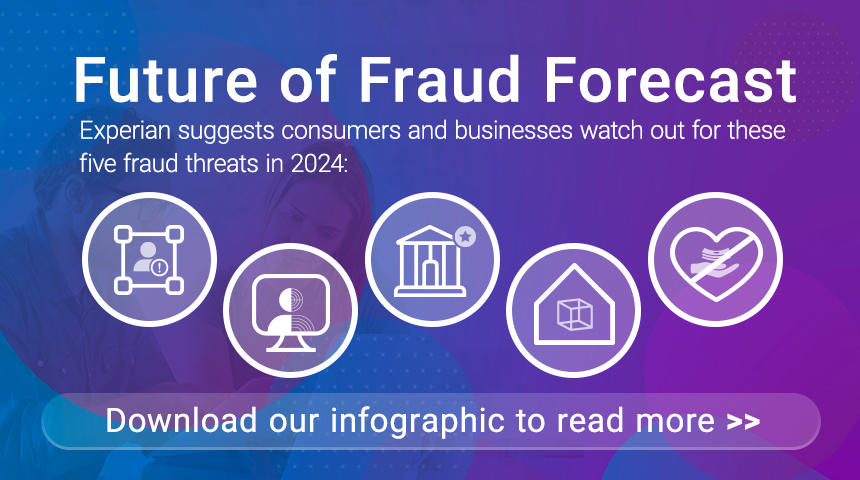
Spoiler alert: Gen AI is everywhere, including the top of Experian’s list of fraud trends 2024. “The speed and complexity of fraud attacks due to new technology and sophisticated fraudsters is leaving both businesses and consumers at risk in 2024,” said Kathleen Peters, chief innovation officer at Experian Decision Analytics in North America. “At Experian, we’re constantly innovating to deliver data-driven solutions to help our customers fight fraud and to protect the consumers they serve.” To deter fraudulent activity in 2024, businesses and consumers must get tactical for their fraud fighting strategies. And for businesses, the need for more sophisticated fraud protection solutions leveraging data and technology is greater than ever before. Experian suggests consumers and businesses watch out for these big five rounding out our fraud trends 2024. Generative AI: Generative AI accelerates DIY fraud: Experian predicts fraudsters will use generative AI to accelerate “do-it-yourself” fraud ranging from deepfake content – think emails, voice and video – as well as code creation to set up scam websites. A previous blog post of ours highlighted four types of generative AI used for fraud, including fraud automation at scale, text content generation, image and video manipulation and human voice generation. The way around it? Fight AI fraud with AI as part of a multilayered fraud prevention solution. Fraud at bank branches: Bank branches are making a comeback. A growing number of consumers prefer visiting bank branches in person to open new accounts or get financial advice with the intent to conduct safer transactions. However, face-to-face verification is not flawless and is still susceptible to human error or oversight. According to an Experian report, 85% of consumers report physical biometrics as the most trusted and secure authentication method they’ve recently encountered, but the measure is only currently used by 32% of businesses to detect and protect against fraud. Retailers, beware: Not all returns are as they appear. Experian predicts an uptick in cases where customers claim to return their purchases, only for the business to receive an empty box in return. Businesses must be vigilant with their fraud strategy in order to mitigate risk of lost goods and revenue. Synthetic identity fraud will surge: Pandemic-born synthetic identities may have been dormant, but now have a few years of history, making it easier to elude detection leading to fraudsters using those dormant accounts to “bust out” over the next year. Cause-related and investment deception: Fraudsters are employing new methods that strike an emotional response from consumers with cause-related asks to gain access to consumers’ personal information. Experian predicts that these deceptive cause-related methods will surge in 2024 and beyond. How businesses and consumers feel about fraud in 2024 According to an Experian report, over half of consumers feel they’re more of a fraud target than a year ago and nearly 70% of businesses report that fraud losses have increased in recent years. Business are facing mounting challenges – from first-party fraud and credit washing to synthetic identity and the yet-to-be-known impacts generative AI may have on fraud schemes. Synthetic identity fraud has been mentioned in multiple Experian Fraud Forecasts and the threat is ever growing. As technology continues to enhance consumers’ connectedness, it also heightens the stakes for various fraud attacks. As highlighted by this list of fraud trends 2024, the ways that fraudsters are looking to deceive is increasing from all angles. “Now more than ever, businesses need to implement a multilayered approach to their identity verification and fraud prevention strategies that leverages the latest technology available,” said Peters. Consumers are increasingly at risk from sophisticated fraud schemes. Increases in direct deposit account and check fraud, as well as advanced technologies like deepfakes and AI-generated phishing emails, put consumers in a precarious position. The call to action for consumers is to remain vigilant of seemingly authentic interactions. Experian can help with your fraud strategy To learn more about Experian’s fraud prevention solutions, please visit https://www.experian.com/business/solutions/fraud-management. Download infographic Watch Future of Fraud webinar