Market Trends

Experian’s in-person Vision conference returns next Monday, April 11 in Los Angeles, Calif. The event is known for premier thought leadership, net-new insights and the latest and greatest in technology, innovation and data science. This year’s agenda promises to have intentional discussions around tomorrow’s trending topics including financial inclusion, buy now pay later, open banking, the future of fraud, alternative data strategies, and much more. A few spotlight sessions include: Top trends including the future application of the cloud and emerging technologies, emerging regulatory legislation and the broader implications and opportunities of DeFi. A deep dive into strategies around the targeting/marketing revolution and how to deliver in the post-COVID-19 market environments and bolster financial inclusion decisions. An introduction to Experian’s Buy Now Pay Later BureauTM, the industry’s first and only solution designed to address the needs of consumers, BNPL providers, financial institutions and regulators alike. A roundup of sessions addressing innovation in action spanning from real-time verifications, to data-driven automation, and unified platforms from data to deployment to decisioning. Several sessions highlighting future-looking strategies and solutions that leverage alternative data that can increase conversion rates while concurrently reducing risk. Multiple sessions centered on the rapidly changing identity environment and combatting emerging fraud threats. The event will also include a Tech Showcase, where attendees can get a taste of tomorrow today with more than 20 demos and the latest innovations at their fingertips. And, as always, the event features marquee keynote speakers sure to inspire. This year’s featured speakers are Dr. Mohamed A. El-Erian, President of Queens’ College, Cambridge, Chief Economic Advisor at Allianz, and Former CEO and Co-Chief Investment Officer of PIMCO; Allyson Felix, Olympic Gold Medalist, co-founder of Saysh, a footwear and lifestyle brand for women, and Right to Play and Play Works ambassador; and the closing keynote will feature actor, investor, entrepreneur and philanthropist, Ashton Kutcher. Stay tuned for additional highlights and insights on our social media platforms throughout the course of the conference. Follow Experian Insights on Twitter and LinkedIn.

Learn how expanded FCRA-regulated data can be used to gain a more powerful and complete view of consumers' financial situations. Read more.
Experian’s Ascend Intelligence Service platform has been named “Best Consumer Lending Product” in the sixth annual FinTech Breakthrough Awards.

Lenders are increasingly under pressure to improve access to the financial system and help close the wealth gap in America. Read more!

Coming to NADA? Learn How to Jump Start Your Marketing Efforts and Pay Attention to Gen Z
Market TrendsWhile many view Millennials and Gen Z through the same lens, savvy automotive marketers are adjusting their strategies to capture the market of this generation.

Credit scores play a major aspect in our lives. However, today's scoring system prevents many individuals from accessing credit. Learn more.

Reporting positive rental payments provides residents with a powerful incentive to pay their rent on time and in full. Read more!

Experian recently launched Experian GO, a first-of-its-kind program aimed at helping credit invisibles take charge of their financial health. Read more!

The payments landscape is rapidly evolving, and as businesses set their strategic agendas for the new year, it’s important to analyze and adapt to changing consumer payment behaviors. Here are a few payment trends to look out for: Consumer sentiment remains low while inflation hits 39-year high According to the University of Michigan’s latest consumer sentiment survey, sentiment rose to 70.4 in December 2021 from 67.4 in November. While this was a slight improvement from the 10-year low logged in November, the figure was roughly in line with the average reading of the past four months (70.6). Additionally, consumer prices increased 6.8% over the past year, the highest in nearly 40 years. When asked whether inflation or unemployment was the more serious problem facing the nation, 76% of survey respondents selected inflation while 21% selected unemployment. Rising prices and the uncertainty surrounding the Delta and Omicron variants may cause consumers to remain pessimistic about their personal financial progress and delay large purchases. Payment preferences vary by age and purchase type According to a recent Mintel report, credit cards are the most preferred method of payment among U.S. adults. Despite the overall preference for credit cards, attitudes toward this payment option differ based on consumer age. Credit card preference skews strongly toward older consumers, with 46% of Baby Boomers opting to use credit cards for most of their purchases and 72% of the World War II generation preferring credit cards to any other payment type. Conversely, younger generations are turning to cash, debit cards and digital payment alternatives for most of their purchases. This difference can be explained by younger consumers’ fear of debt and lack of credit education. While older consumers may feel more comfortable and capable of paying off their credit card bill each month, most Gen Z consumers are not creditworthy enough to own a credit card or are afraid of falling behind on their monthly payments. Though Gen Z’s low ownership rate may seem concerning to credit card issuers, there’s an enormous opportunity for them to reach and engage this younger cohort. By educating younger consumers about their products and the importance of building credit, credit card issuers can build lasting customer relationships and maintain their standing in the payments hierarchy. Payment preferences also vary by purchase type. Consumers mostly use debit cards and credit cards for in-store purchases, while direct payments from bank accounts are used to pay off recurring bills. Despite these preferences for card and online payments, cash remains a popular secondary payment method across age demographics. Older consumers use cash to make small, personal transactions, while younger consumers are more likely to use cash or debit cards for large purchases. Digital payment popularity continues to soar From 2019 to 2020, peer-to-peer payment (P2P) services, like Venmo, Zelle and Cash App, saw usage increases of 2 to 3 percentage points. In 2021, that year-over-year increase jumped to 8, 9 and 7 percentage points respectively. This jump indicates that while consumers may have been reluctant to adjust their payment behaviors at the beginning of the pandemic, ongoing social distancing measures forced them to adapt to a new reality, leading to the widespread adoption of digital payment methods. As consumers continue to embrace P2P services, traditional payment powerhouses must pivot their strategies to capitalize on this trend and remain competitive in today’s payments landscape. To keep up with the latest consumer and economic trends, register for our upcoming Monthly Credit and Economic Trends webinar.

How Vehicle History Data Can Help Consignors Make More Informed Decisions Before Auction
Market TrendsAs we head into 2022 there continues to be heightened interest in auto auctions. Experian has observed a little cooling in auction activity in some parts of the western U.S., but the Central, Eastern and Southern geographies continue to see high unit activity, as depicted in the chart below. Let's take a look at how vehicle history data can help consignors make more informed decisions before auction. (Click here to access these insights directly). Review vehicle history data before auction assignment During this current climate, you can make the most of every auction (whether physical or digital) by reviewing vehicle history data before assignment. Have you ever brought inventory to a physical auction only to realize the vehicle had issues you didn’t know about? This can catch consignors off-guard and prove costly. So, how can you take advantage of vehicle history reports to help make better purchasing decisions? Vehicles with damage aren’t a lost cause, but rather consignors need to be strategic about where they send damaged vehicles to auctions to ensure the sale and maximize the sales price. A little extra research can help uncover hidden issues and vehicle damage. Vehicle history reports reviewed prior to auction assignment can assist consignors in uncovering vehicle damage and determine if the vehicles are appropriately priced to move before locking in their auction location. A quick review of the vehicle’s history report for major state title brands can reveal areas of concern and will also show other major problems, such as accidents, damage and total insurance loss. If damage or a major concern is uncovered, consignors can proactively evaluate the auction assignment. For example, the vehicle might have a better chance at selling in a hotter market like the Central, Southern, or Eastern U.S. than in a Midwest market. The key is to always know before you go by taking advantage of region and channel data to help ensure the most profitable sale. “Know before you go and tell before you sell,” says Joe Miller, VP of Client Experience at AutoIMS, the popular inventory management platform serving auctions and commercial consignors. “We continue to hear how vehicle history is influencing decisions not only about which auction to send the car to, but what repairs to perform, how best to floor price the car, and how to represent it in the lane. A new era of data-rich transparency is upon us in auto remarketing, and those tapping into the VHR will ultimately save time and make more money as they improve their reputation in the lanes.” By leveraging the Experian AutoCheck Vehicle History Report, consignors have quick and easy access to information that can help them make more informed, profitable decisions. To become an AutoCheck Vehicle History Report subscriber, sign up today.

Direct mail isn’t outdated, antique or ineffective – it has evolved and adapted to meet the expectations of today’s consumers.

Global Insights Report: What Increasing Expectations of the Digital Customer Experience Mean for Your Business and Technology Investment
Market TrendsDownload the new global insights report report to learn about consumer desires and business behaviors as we move further through the digital evolution.
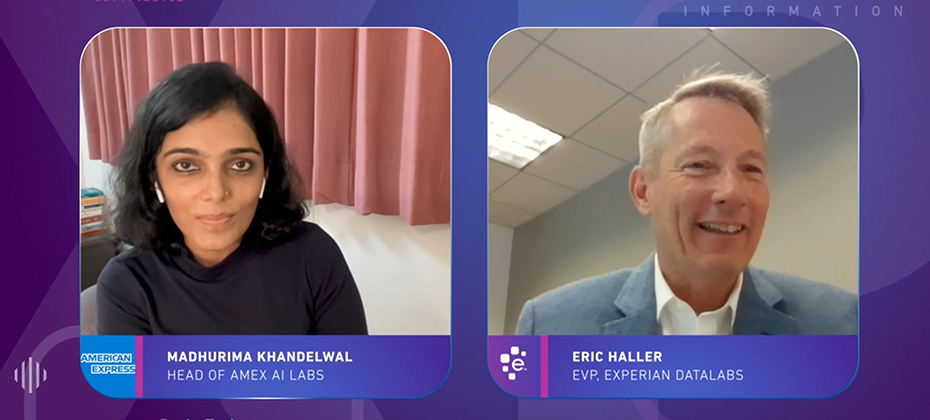
Chatbots, reduction of manual processes and explainability were all hot topics in a recent discussion between two leading data leaders.

While EV Registrations Grow Through the First Half Of 2021, Non-Electric Remains Dominant
Market TrendsIn Experian’s Automotive Market Trends Review: Q2 2021, we looked at the data to better understand EV and internal combustion engine registration trends.

Experian has made the IDC 2021 Fintech Rankings Top 100, highlighting the best global providers of financial technology. Read more!