Automotive Lending

Consumer credit trends and markets are constantly evolving, particularly when it comes to originations and delinquencies on mortgages, credit cards and auto loans. According to Experian research, over 2.7 million out of 89 million active automotive loans and leases are either 30 or 60 days delinquent. Triggers that signal a greater likelihood of consumers falling delinquent on loans, mortgages and credit card payments, include high-interest rates, a high utilization rate and recent derogatory trades. By tracking and forecasting consumer trends over time, you can more easily predict consumer behavior and better prepare for potential issues within each market. Join Gavin Harding, Experian Senior Business Consultant, and Alan Ikemura, Experian Data Analytics Senior Product Manager, during our live Quarterly Credit Trends webinar on May 30 at 2:00 p.m. ET. Our expert speakers will provide a view of the real estate market and share insights on the latest consumer credit trends. Highlights include: 2019 economic drivers Q1 2019 origination and delinquency trends Mortgage Home equity Bankcard Auto Register now

Quelling Concern: The Percentage of Delinquent Auto Loans Remains Relatively Stable
Automotive LendingIncrease in delinquent loans has led to a discussion about the auto finance industry's stability. But it’s important to put these trends into context.

Experian Boost gives consumers greater control over their credit profiles by allowing them to add non-traditional credit information to their Experian credit file.

Findings from the Q3 State of the Automotive Finance report show that Subprime originations hit the lowest overall share of the market seen in 11 years.

There are four reasons why the auto industry should be enthusiastic about the electric vehicle segment’s future.

Despite consumers taking out larger loan amounts, they continue to make their monthly payments on time. But, affordability remains a

Trivia question: Millennials don’t purchase new vehicles. True or False?
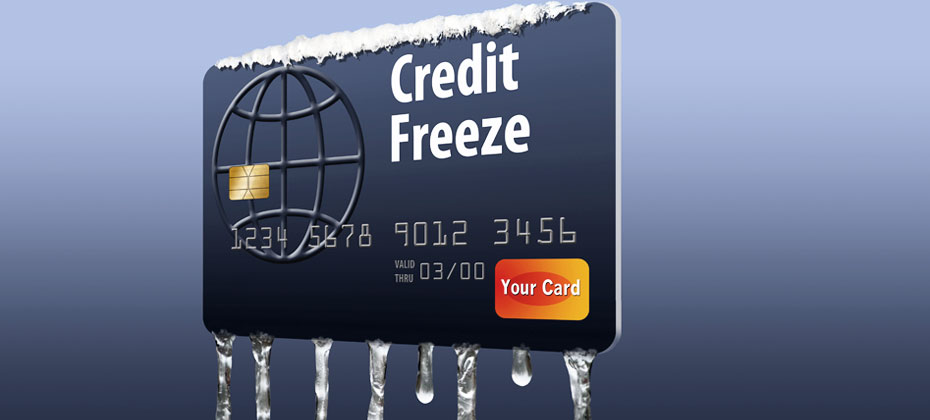
Do you have a client who is applying for credit but has placed a security freeze on his Experian file? Here’s how you can help.

Trended attributes can provide significant lift in the development of segmentation strategies and custom models are used effectively across the life cycle.

Experian’s latest State of Automotive Finance Market report reveals the average credit score for purchasing a vehicle has increased four points across the board.

Many institutions take a “leap of faith” when it comes to developing prospecting strategies as it pertains to credit marketing. How can a data-driven approach help?

Historical data that illustrates lower credit card use and increases in payments is key to finding consumers whose credit trajectory is improving.

When discussing automotive lending, it seems like one term is on everyone’s lips: “subprime auto loan bubble.” But what is the data telling us?

Loan balances reach all-time high, while vehicle prices push more people to used cars and leasing
Automotive LendingWith steady sales growth the past several years, the auto industry has had a great run since the trough of the Great Recession in 2009. Based on the latest data published in the State of the Automotive Finance Market report, the auto industry’s robust sales totaled more than 17 million vehicles in 2016, pushing the total open auto loan balances to a record high of $1.072 trillion, up from $987 billion in Q4 2015. Despite the current boom, new vehicle affordability is becoming more challenging. The average monthly payment for a new vehicle loan jumped from $493 in Q4 2015 to $506 in Q4 2016, while the average new vehicle loan reached an all-time high in Q4 2016, at $30,621. In addition, the chasm between new vehicle loan and used vehicle loan average amounts is wider than ever at $11,292. This trend appears to be pushing more credit-worthy customers into the used vehicle market. In Q4 2016, the percentage of used vehicle loans going to prime and super prime customers was up from 45.49 percent in Q4 2015 to 47.76 percent in Q4 2016. In addition, the average credit score for used vehicle loans is up from 649 in Q4 2015 to 654 in Q4 2016. Consumers also appear to be combating the vehicle affordability issue by shifting into leases or longer-term loans to keep their monthly payments low. Leasing was up from 28.87 percent of all new vehicle financing in Q4 2015 to 28.94 percent in Q4 2016. Loan terms of 73 to 84 months now account for 32.1 percent of all new vehicle loans, up from 29 percent in Q4 2015. Keeping payments manageable will help keep people out of delinquencies, which is good for consumers and their lenders. Data shows that 30-day delinquencies were relatively flat, moving from 2.42 percent in Q4 2015 to 2.44 percent in Q4 2016, while 60-day delinquencies are growing, moving from 0.71 percent to 0.78 percent. It seems that as long as new vehicle costs rise, it is likely that more people will move toward leasing, longer term loans and used vehicles. While none of these trends are inherently bad, they could re-shape dealer strategy moving forward. Many analysts predict flat new vehicle sales in 2017, making used vehicle, F&I and service business more important to overall dealership growth this year.
It’s more than mercury that will be up this summer. As temperatures climb, so do automotive sales, which often reach annual highs during the warmest months of the year. Fueled by pent-up demand coming out of the recession, historically low interest rates, and increased competition among both manufacturers and lenders, auto sales are continuing to be a bright spot in the U.S. economy. Summer sales spike According to recent research by Experian Automotive, 2015 sales of new non-luxury vehicles began rising in May and peaked in August at nearly 20 percent above the monthly average for the year. It is not surprising, given the number of notable manufacturer marketing campaigns that often air through the summer months, beginning with Memorial Day and running all the way through Labor Day weekend. The projection is that this trend will continue in 2016. Financing moves metal Financing continues to play an important role in facilitating new car sales. Experian research shows a consistent increase in the percentage of new vehicles sold with financing with the trend reaching a period high of 85.9 percent in Q4 2015, a 2.3 percent increase over the previous year. The increased financing, is due in part, to continued post-recession liquidity. As the economy has rebounded, lenders have re-emerged with attractive financing rates for buyers. In addition, captive lenders are continuing to support manufacturers with 0 percent subvention offers to increase sales. Total loan value is on the rise as well, reaching $29,551 in Q4 2015, a 4.1 percent increase over the previous year. Average MSRP is trending up too, but at a slower year-over-year rate of 3.6 percent. The slower growth in MSRP relative to total loan value is leading to increased loan-to-value ratios which reached 109.4 percent in Q4 2015. The increases in loan value and MSRP are putting pressure on monthly payment with average new vehicle payments reaching $493 per month on new loans in the fourth quarter. Seeking relief, consumers are turning to longer loan terms and leasing to maintain lower payments. As a result, average new vehicle loan terms ticked slightly higher to 67 months while lease penetration on new vehicles reached 28.9 percent, a 19 percent increase over the previous year. Leveraging the trends Timing is everything when it comes to auto lending. Direct mail remains an effective communication tool for lenders, but mass mailers without regard to response rates yield poor ROIs and put future campaigns in jeopardy. Targeting consumers who are most likely to be in the market at a point in time can increase response rates and improve overall campaign performance. Experian’s In the Market Model – Auto leverages the power of trended credit data to identify consumers that will be most receptive to an offer. By focusing on high-propensity consumers, lenders can conduct more marketing campaigns during the year with the same budget and achieve supercharged results. Context-based marketing allows lenders to tailor offers by leveraging insights on a consumer’s existing loans. Product offers can additionally be customized based on estimated interest rates, months remaining, or current loan balance on open auto loans. Targeted refinance offers can also be delivered to consumers with high interest rates or focus new-loan offers on consumers with minimal months or balance remaining on existing loans. Understanding current auto loans allows lenders to target offers that are relevant to their prospects and gain an advantage over the competition. Increases in loan-to-value (LTV) ratios at origination and longer loan terms are putting many consumers in deep negative equity positions. As a result, many consumers will not qualify for refinance offers without significant down payments leading to low underwriting conversion rates and poor customer experience. Lenders seeking to improve on these metrics should leverage Experian’s Auto Equity Model, which provides an estimate of the amount of equity a consumer has in their existing auto trades. Focusing refinance offers on consumers with negative equity, while suppressing those with deep negative positions, can help improve response rates while minimizing declines due to LTV requirements. Takeaways Lenders should be gearing up for the summer auto sales spike. Proactive strategies will allow savvy marketers to deploy capital and grow their portfolio by taking advantage of customer insight. Timing and context matter, and as auto sales trends reveal, now is the opportune time to optimize marketing efforts and capitalize on the season.