Data & Analytics

Here are the four steps fintechs should take to reenter the lending market intelligently, while mitigating as much risk as possible.

Experian Automotive Market Insights dashboard provides a variety of insights to help dealers tackle their biggest challenges.

As financial institutions navigate COVID-19’s economic impact, the best credit portfolio management practices are fundamental.

Small SUVs became the most financed vehicle segment in Q3 2020, making up 26.01% of all financed vehicles during the quarter.

Last year’s predictions of a new set of Roaring 20’s may not have panned out the way we imagine, but many did evolve. Here are six trends to watch in 2021.

People are more than just their credit scores. Are you getting the full picture? Download our guide to learn more.

According to Experian’s Q3 2020 State of the Automotive Finance Market report, 26.20% of all new vehicles are leased compared to 30.27% last year.

Look into North American trends over the last year and to learn how fraud prevention and positive customer relationships are two sides of the same coin.

While things aren't quite back to normal in Q3 2020, there were a number of positive trends that demonstrates the automotive industry's resilience.

The jump to the cloud means that lenders are suddenly more capable than ever at making analytically sound and more financially inclusive decisions.

Utilities Q&A Perspective Series: To Deposit or Not To Deposit? That Is the Question
Data & AnalyticsNew challenges created by the COVID-19 pandemic have made it imperative for utility providers to adapt strategies and processes that preserve positive customer relationships. At the same time, they must ensure proper individualized customer treatment by using industry-specific risk scores and modeled income options at the time of onboarding As part of our ongoing Q&A perspective series, Shawn Rife, Experian’s Director of Risk Scoring, sat down with us to discuss consumer trends and their potential impact on the onboarding process. Q: Several utility providers use credit scoring to identify which customers are required to pay a deposit. How does the credit scoring process work and do traditional credit scores differ from industry-specific scores? The goal for utility providers is to onboard as many consumers as possible without having to obtain security deposits. The use of traditional credit scoring can be key to maximizing consumer opportunities. To that end, credit can be used even for consumers with little or no past-payment history in order to prove their financial ability to take on utility payments. Q: How can the utilities industry use consumer income information to help identify consumers who are eligible for income assistance programs? Typically, income information is used to promote inclusion and maximize onboarding, rather than to decline/exclude consumers. A key use of income data within the utility space is to identify the eligibility for need-based financial aid programs and provide relief to the consumers who need it most. Q: Many utility providers stop the onboarding process and apply a larger deposit when they do not get a “hit” on a certain customer. Is there additional data available to score these “no hit” customers and turn a deposit into an approval? Yes, various additional data sources that can be leveraged to drive first or second chances that would otherwise be unattainable. These sources include, but are not limited to, alternative payment data, full-file public record information and other forms of consumer-permissioned payment data. Q: Have you noticed any employment trends due to the COVID-19 pandemic? How can those be applied at the time of onboarding? According to Experian’s latest State of the Economy Report, the U.S. labor market continues to have a slow recovery amidst the current COVID-19 crisis, with the unemployment rate at 7.9% in September. While the ongoing effects on unemployment are still unknown, there’s a good chance that several job/employment categories will be disproportionately affected long-term, which could have ramifications on employment rates and earnings. To that end, Experian has developed exclusive capabilities to help utility providers identify impacted consumers and target programs aimed at providing financial assistance. Ultimately, the usage of income and employment/unemployment data should increase in the future as it can be highly predictive of a consumer’s ability to pay For more insight on how to enhance your collection processes and capabilities, watch our Experian Symposium Series event on-demand. Watch now Learn more About our Experts: Shawn Rife, Director of Risk Scoring, Experian Consumer Information Services, North America Shawn manages Experian’s credit risk scoring models while empowering clients to maximize the scope and influence of their lending universe. He leads the implementation of alternative credit data within the lending environment, as well as key product implementation initiatives.

Cloud computing is the new wave – now more than ever during a crisis. But what are the benefits of moving to the cloud?

One caveat of optimization is in order to choose an optimal decision you must first simulate all possible decisions.

North American consumers’ expectations continue to rise in the wake of COVID-19, with a focus on online security and their digital experience.
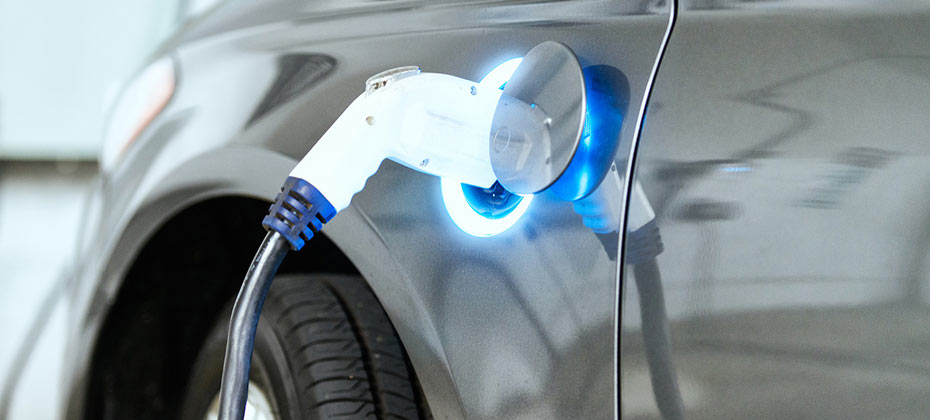
In late September, California announced a new requirement for the sale of all new passenger vehicles to be zero-emission by 2035. While that’s still 15 years away, the executive order created quite a buzz in the automotive industry, reigniting conversations about electric vehicles (EVs) and the current market penetration of the most common zero-emission vehicles. With that in mind, we wanted to take a closer look at the state of EVs—across the country and more specifically, in California—to better understand the EV market and how it’s grown over the past few years. As of Q2 2020, electric vehicles comprised just 0.312% of vehicles in operation (VIO). While EV market share seems small, there has been significant growth since Q2 2015, when they only held 0.0678% of the VIO market—meaning the growth of EVs has more than tripled (3.6x) in the last five years. But even still, other segments, such as CUVs have seen faster growth in the same time period (10% market share in Q2 2020 compared to 6.2% in Q2 2015). California sees faster EV adoption California has seen growth in EV adoption in the last decade, but it has grown exponentially in the last five years. EVs comprised 1.79% of new vehicle registrations 2015, and the percentage grew to 5.32% as of Q2 2020. Much of the growth occurred between 2017 and 2018, when market share jumped from 2.62% to 5.04% year-over-year, with the introduction of the more cost-effective Tesla Model 3. Even with that growth, California new vehicle purchases have a long way to grow to move up to 100% EV. With the popularity of the Model 3, it’s somewhat unsurprising, Tesla holds the lion’s share of the EV market in California, making up 61.9% of EVs on the road within VIO, and nationally at 64.8% share. That could potentially change down the road though. Over the next two years, numerous manufacturers have plans to introduce electric versions of popular models or introduce new EV models altogether. This not only creates competition but could also help continue to drive down vehicle cost, making EVs a more viable option for consumers. Examining costs and other factors Cost is one of the key considerations that industry experts have routinely brought up over the years as a barrier to EV adoption. While some say that maintenance and fuel are cheaper in the long run, purchasing an EV today is typically a more expensive option at the dealership. The average loan amount for an EV in California in 2019 was $40,964, compared to an average vehicle loan amount of $32,373. That said, as EV adoption has seen exponential growth in the last five years, the average price has reduced. The average loan amount for an EV in 2016 was $78,646, dropping more than $35,000 in just five years as the technology continued to mature and vehicle costs lowered. Additionally, tax incentives, particularly in California, have also helped reduce affordability concerns. Though today’s tax incentives may not be in place through 2035, California will likely need to evaluate if economic incentives are required along the way to achieving the zero-emission vehicle deadline. However, even as costs lower, there are additional challenges to be overcome. For instance, infrastructure continues to be a barrier to adoption. In a 2019 AAA study, concern over being able to find a place to charge is the top reason listed as to why respondents are unlikely to purchase an EV in the future. In addition, according to Statisa, in March 2020, the U.S. had almost 25,000 charging stations for plug-in electric vehicles, and approximately 78,500 charging outlets. Of those charging stations, nearly 30% are in California. But with continued growth of EV sales, there will be a critical need for continued infrastructure nationwide—not just in California. In addition to these considerations, many impacts of the new mandate remain unknown. California will have to navigate increased electricity demand—especially during peak hours—and increases in battery scrappage, as EVs wear out. Gas stations will need to manage a loss of revenue, while changes in fuel taxes are likely, and vehicle technicians will require new training. If increased adoption of zero emission vehicles is California’s long-term goal, this could also impact the popularity of used vehicles, which could leave dealers looking for alternative locations to sell their gasoline-powered inventory. Looking toward the future of EVs Realistically, with 15 years until the mandate takes effect, the California mandate won’t have much of an immediate effect on the industry. But it does highlight key considerations for automakers and the aftermarket moving forward. To achieve better adoption rates, automakers need to understand the barriers to success and how they impact consumer behavior. An example of this is how California has seen higher EV adoption rates as the availability of plug-in stations has increased. Continuing to find ways to lower costs and focusing on savings over the lifetime of the vehicle is will help consumers see the value of an EV. At the end of the day, automakers play a large role in moving the country toward EV adoption, so having a clear understanding of the trends can help refine strategies as we move toward an electrified future.