
Automotive

For years, most electric vehicle (EV) adoption has been concentrated in California, New York, and other traditional early-adopter markets. And while those markets still lead the nation in total registrations, as of last year, some of the fastest-growing EV markets are in regions that haven’t played a significant role in the past. According to Experian Automotive’s 2025 EV Year in Review Report, EV adoptions seem to be entering a new phase that is spreading well beyond coastal strongholds. In fact, the top designated market areas (DMAs) that saw the fastest year-over-year growth for new retail individual EV registrations in the last five years were Detroit, MI (34.5%), Naples, FL (32.6%), Atlanta, GA (20.6%), Buffalo, NY (18.7%), and Charlotte, NC (17.3%). However, despite the growing demand in these market areas over the last few years, Los Angeles, CA still holds a strong lead in new retail individual EV registrations, with over 164,000 new adopters in 2025. Rounding out the top five were San Francisco, CA (85,000+), New York, NY (78,000+), Miami, FL (45,000+), and Seattle, WA (35,000+). EV adoption expanding well beyond the early-adopter markets could be a result of charging infrastructure growth, vehicle availability improvement, and consumer interest reaching new levels across the country. What does this mean for dealers? The extension of EV adoption into emerging markets signals that these vehicles are becoming a mainstream consideration for more consumers. As dealers look for ways to grow their presence in this segment, adopting marketing strategies, service operations, and inventory planning will be beneficial to meet changing buyer expectations and capitalize on the growing demand. The biggest takeaway isn’t necessarily which markets are selling the most EVs, it’s seemingly where adoption is gaining momentum. As new regions start to embrace these vehicles, it’ll be important to monitor the next phase of growth and where future opportunities may emerge. To learn more about EV insights, visit Experian Automotive’s EV Resource Center.
The electric vehicle (EV) revolution isn’t slowing down, it’s changing lanes. While recent conversations have seemingly focused on softening demand for new EVs, the used segment has been gaining momentum. According to Experian Automotive’s 2025 EV Year in Review Report, new retail individual EV registrations fell 35.9% year-over-year. Meanwhile, the used retail individual EV registrations grew 25.4% from a year ago. As affordability and growing model availability reshapes consumer behavior, buyers are increasingly turning to pre-owned EVs, which has shown an interesting market divergence that is redefining how consumers are adopting this segment and what it can mean for automakers, dealers, and the overall industry. Key players behind rising used EV demand Notably, Tesla accounted for over half (60.5%) of used retail individual EV registrations in 2025, followed by Chevrolet at 6.4% and Nissan (5.5%). Diving a bit deeper, Tesla made up the top three models of the used individual registrations last year, with the Model 3 coming in at 27.2%, Model Y at 21.7%, and Model S (6.6%). The Chevrolet Bolt EV followed at 4.8% and the Nissan Leaf was at 4%. Tesla’s position as the leading make in the used EV market is a natural extension of its long-standing dominance in new EV sales. The brand’s leadership over the years created a large fleet of vehicles that are now entering the pre-owned market. What the used EV boom means for automotive professionals The growing demand for used EVs can present more opportunities for automotive professionals. Dealers that provide a healthy supply of pre-owned EVs can increase accessibility and play a role in adoption for consumers who are actively looking to purchase, while marketers can emphasize value and ownership benefits. As the market continues to evolve, automotive professionals who understand and respond to these changing dynamics will be best positioned to capitalize on the expanding pool of used EV shoppers. To learn more about EV insights, visit Experian Automotive’s EV Resource Center.

Conversations about rising auto loan balances and higher monthly payments has often centered around increasing vehicle prices and elevated interest rates; and while those factors have undoubtedly played a role, another important piece of the puzzle is the type of vehicles consumers are choosing to purchase. According to Experian’s Automotive Consumer Trends Report: Q1 2026, consumers are continuing to opt for SUVs over other vehicle types, a trend that may be contributing to higher average loan amounts and monthly payments. SUVs accounted for 63.5% of all new retail vehicle registrations over the last 12 months, up from 62.8% a year ago. Additionally, more than 117 million SUVs were in operation across the United States in the first quarter of 2026, making up 42.2% of the market share. At the same time, traditional passenger cars continue to fall in share, coming in at 16.5%, a decrease from 18.4% last year. As consumers increasingly gravitate towards the larger vehicle segment, it reflects the ongoing desire for versatility, cargo capacity, and family-friendly functionality. Electrification’s growing role in consumer purchasing behavior Interestingly, electrified SUVs continue to gain traction, representing 27.7% of all new SUV registrations, these vehicles include battery-electric, hybrids, plug-in hybrids, and other alternative fuel types. Diving a bit deeper, the Tesla Model Y was the market share leader for new, retail electrified SUV registrations in the last 12 months, coming in at 15.8%. Rounding out the top five were Honda CR-V (9.6%), Toyota RAV4 (7.2%), Chevrolet Trax (7.2%), and Toyota Grand Highlander (3.4%). As model availability and familiarity with the electrification segment grows, the broader adoption of these vehicles are playing an increasingly important role in vehicle pricing and overall consumer demand. While average loan amounts and monthly payments are being driven by a combination of factors such as financing costs and consumer purchasing behavior, data in Q1 2026 demonstrates the continued interest in SUVs. This suggests that the industry’s shift toward larger vehicles is likely playing a meaningful role in today’s financing environment. To learn more about SUV insights, view the full Automotive Consumer Trends Report: Q1 2026 presentation.

Electric vehicle (EV) registration growth has become a common topic of discussion throughout the automotive industry for the last few years, but the bigger story may lie in what consumers are choosing when they return to market for their next vehicle. According to Experian’s Automotive Market Trends Report: Q1 2026, the bulk of EV owners (72.6%) purchased another EV, while 17.7% replaced their EV with a gas-powered vehicle and 5.6% switched to a hybrid this quarter. A similar trend was seen in hybrid owners, as 54.9% remained loyal to the fuel type through the quarter, while 32.7% replaced their hybrid with a gas-powered vehicle and 7.5% switched to an EV. Notably, 78.2% of consumers with gas-powered vehicles stayed with the same fuel type, with 5.6% swapping their gas vehicle for a hybrid and only 4.5% transitioning to an EV through Q1 2026. These purchase styles suggest that while most consumers are not making a direct leap from gasoline to fully electric vehicles, some are beginning their electrified journey through hybrid ownership. At the same time, the high rate of fuel-type loyalty across all powertrain categories highlights the importance of the ownership experience. Consumers who are satisfied with their current vehicle can often be inclined to remain with the same segment rather than exploring alternative fuel types. New vehicle registration trends reflect changing consumer preferences Looking at the new vehicle registration data from a broader level, gas-powered vehicles experienced a slight uptick, coming in at 69.5% through Q1 2026, from 67.3% last year. Meanwhile, hybrids continue to grow, going from 12.1% to 13.5% year-over-year while EVs steadily decline from 7.8% last year to 5.6% this quarter. As consumers weigh their next vehicle purchase, many seem to be sticking with the standard gas-powered choice, and others are finding a happy medium in hybrid vehicles. And while EVs receive much of the industry’s attention, buyers are exploring alternatives that allow them to adopt the electrified vehicles incrementally rather than all at once. To learn more about vehicle market trends, view the full Automotive Market Trends Report: Q1 2026 presentation on demand.

The automotive market is entering a new phase defined not just by what consumers are buying, but by how they’re choosing to finance it. According to Experian Automotive’s State of the Automotive Finance Market Report: Q1 2026, nearly one-third (35.55%) of all new vehicle loans now stretch more than six years, up from 30.83% in Q1 2025. Similarly on the used side, 31.54% of loans extended more than six years, an increase from 28.60% last year. The shift highlights why affordability is reshaping how consumers are financing their vehicles, particularly in larger and higher-priced vehicles. Refinancing gains traction as interest rates stabilize In addition to longer-term loans, consumers are becoming increasingly deliberate with their financing decisions and managing monthly payments as refinancing activity has gained momentum. For instance, consumers who refinanced this quarter lowered their interest rate by 2.2% and saved an average of $81 on their monthly payment. Credit unions, in particular, continued to play a major role in helping consumers secure more affordable payment options. In Q1 2025, credit unions accounted for the lion’s share of automotive refinancing at 63.43%, from 62.31% a year ago. By comparison, banks went from 23.51% to 22.59% year-over-year. Furthermore, those who refinanced with a credit union saved an average of $101 this quarter, whereas those who refinanced with banks saved $60. Expanding credit access through flexible financing Another notable trend this quarter was the incessant growth in subprime financing as credit accessibility across the market continues to increase. In the first quarter of this year, subprime borrowers made up 15.75% of total vehicle financing, from 14.40% last year. For new vehicles in particular, the subprime market went from 5.61% to 6.88% year-over-year, while subprime in used vehicle financing grew to 20.60% this quarter, from 19.36% a year ago. Increased activity in the subprime segment highlights continued confidence in the automotive market and underscores the importance of expanded financing options. As consumers seek greater flexibility with financing decisions that fit their lifestyle, lenders and dealers have the opportunity to approach them with more personalized solutions. These trends are helping keep both new and used vehicle markets moving forward, while creating new opportunities for consumers to manage payments and purchase confidently. To learn more about automotive finance trends, view the full State of the Automotive Finance Market Report: Q1 2026 presentation on demand.

As the market finds its footing, evolving consumer demand is driving changes in new and used vehicle registrations. In response, manufacturers are balancing affordability and production efficiency to protect their market share. According to Experian’s Automotive Market Trends Report: Q4 2025, new vehicle registrations slightly decreased to 3.8 million, from 4 million this time last year. On the used side, registrations ticked up slightly year-over-year, going from 9 million to 9.1 million. With elevated new vehicle pricing and higher interest rates likely playing a role in new vehicle registrations dipping, buyers seem to be gravitating toward lower-cost alternatives in the used market. Familiar OEM leaders remain steady at the top of market share Despite shifts in vehicle registrations, leaders in new vehicle manufacturer market share have remained consistent. For instance, data through the fourth quarter of this year reveled General Motors (GM), Toyota, and Ford continue to hold the top three positions in new vehicle market share, with GM coming in at 17.4% share, followed by Toyota (16.5%), and Ford (12.6%). At the make level, Toyota held the top position for the fourth consecutive year in new vehicle market share, coming in at 14.1% through Q4 2025; they were followed by Ford (11.9%) and Chevrolet (11%). Sustained leadership in today’s market isn’t just about scale, it relies on how quickly manufacturers can respond and adapt to shifting consumer preferences and industry changes. Those that adapt their portfolios and go-to-market approaches will be best positioned not just to protect their share, but to grow it as the market continues to evolve. To learn more about vehicle market trends, view the full Automotive Market Trends Report: Q4 2025 presentation on demand.

Alternative fuel vehicles continued to gain momentum in the fourth quarter of 2025, driven by expiring electric vehicle (EV) tax credits and a growing preference for options that bridge the gap between full electric and traditional gasoline vehicles. According to Experian’s Automotive Consumer Trends Report: Q4 2025, alternative fuel vehicles accounted for 38.6% of new retail car registrations in the last 12 months, with 11% battery electric (BEV) and 27.6% hybrids and plug-in hybrids (PHEVs). This signals that the narrative about growth in consumer interest for alternative fuel is increasingly towards hybrids, not just full EVs. Taking a deeper dive, the Toyota Camry Hybrid led all alternative fuel car models, coming in 31.7% in Q4 2025. Rounding out the top five were Tesla Model 3 (19%), Honda Civic Hybrid (10.1%), Honda Accord Hybrid (9%), and Toyota Prius (5.3%). Interestingly, the Toyota Camry also stood out as the top model in both new and used car markets in Q4 2025, holding 12.2% of new car market share and 6.3% of used car market share. The Honda Civic ranked second in new car market share, coming in at 10.5% this quarter, while the Honda Accord secured the second spot in the used car market at 5.8%. The prominence of these vehicles leading both new and used car markets reflects a combination of strong new-vehicle sales and sustained demand in the secondary market. Data in the report also revealed strong loyalty within Toyota and Honda, with significant inflow between the two brands. For instance, 38.4% of Toyota Camry buyers replaced their vehicle with another Camry in Q4 2025, and 39.7% of Honda Civic buyers replaced it with another Civic. These trends reinforce the value of dealers monitoring evolving consumer preferences and aligning inventory with vehicles that offer fuel efficiency and flexible powertrain options as the market continues to shift. To learn more about car insights, view the full Automotive Consumer Trends Report: Q4 2025 presentation.

As vehicle prices and interest rates continue to evolve, both consumers and lenders are recalibrating their approaches to affordability and long-term sustainability. This shift has resulted in the subprime segment growing to its largest share of total finance market for subprime in the fourth quarter since 2021. According to Experian’s State of the Automotive Finance Market Report: Q4 2025, subprime borrowers accounted for 15.31% of total vehicle financing, an increase from 14.54% in Q4 2024. To understand why the subprime space is evolving, we took a deeper dive into the affordability picture and how changes in pricing and interest rates are influencing both consumer decisions and lender strategies. In Q4 2025, the average loan amount for a new vehicle increased $1,882 from the prior year to $43,582, and the average interest rate for a new vehicle went from 6.34% last year to 6.37% this quarter. As a result, the average monthly payment increased from $746 to $767 in the same time frame. On the used side, the average loan amount increased $872 year-over-year, reaching $27,528 in Q4 2025. However, despite the average interest rate declining from 11.63% to 11.26% during the same time, the average monthly payment grew $9 from last year to $537 this quarter. These changes are prompting thoughtful adjustments across the automotive ecosystem. Consumers are comparing financing options more carefully and adjusting loan terms when necessary to prioritize the cost of ownership. Lenders are also focusing more on payment flexibility and how long-term borrowers are performing as they leverage it for central pillars of strategies to stay ahead of the ever-evolving market. To learn more about automotive finance trends, view the full State of the Automotive Finance Market Report: Q4 2025 presentation on demand.

We’re excited to share that Experian Automotive’s client Hamlin & Associates and Honda World have been named winners of the 2025 Automotive News / Ad Age Global Automotive Marketing Award for Best Use of Data — an honor that celebrates meaningful, measurable impact. Why this work stood out Hamlin & Associates' client, Honda World of Louisville, KY, faced a clear challenge: re-engage customers and recover declining service revenue, particularly for vehicles with open recalls. Hamlin & Associates approached the problem with a simple belief: clean, accurate data leads to better outcomes for customers and dealerships alike. They began with data hygiene, then enriched each vehicle record using Experian Automotive’s Recall VIN Verification solution. This created a precise view of who owned which vehicles, which recalls were still open, and when repairs could be completed — all essential to a smooth customer experience. A smarter, more human outreach strategy Over the course of a year, Hamlin delivered four waves of direct mail designed to cut through the noise. Each letter: Spoke directly to the customer Highlighted their specific vehicle Explained the recall in clear language Showed how easy it was to book a free repair The result was a data-driven communication plan grounded in trust and simplicity — and it worked Results that show what’s possible 26% response rate 1,953 repair orders $811,834 in service revenue Thousands of customers are now driving safer vehicles These outcomes reflect more than campaign performance. They demonstrate what happens when dealers, agencies, and data partners collaborate to guide individuals toward safer, more informed decisions. In their words John Hamlin, Hamlin & Associates:“Clean data builds trust. When we combine our hygiene process with Experian Automotive insights, dealers uncover opportunities they never knew they had.” Mike Porro, Honda World:“They keep it simple, and data-driven ‘simple’ gets done. We follow the process, train our staff, and see the results.” Looking ahead We’re proud to celebrate Hamlin & Associates and Honda World for showing what’s achievable when data, insight, and clear communication come together. Their work helps people stay safe, strengthens customer relationships, and sets a new standard for recall outreach. Congratulations to the entire team — and here’s to helping even more drivers move forward Learn more about how to enrich your first-party data with Recall VIN Verification insights!

From the vehicles we drive to the way we purchase them, everything in the automotive industry is evolving as new technologies, shifting incentives, and changing consumer expectations continue to develop. As electrified vehicles continue to grow their presence on the road, Experian’s Automotive Market Trends Report: Q3 2025 took a deep dive into this segment and found that 5.5 million electric vehicles (EVs) and 11.7 million hybrids were in operation this quarter. Furthermore, data through the third quarter of this year found that 73.8% of EV owners returning to market replaced their EV with another EV and only 16.5% switched to a gas-powered vehicle. The significant EV loyalty among consumers signals that the ownership experience is delivering on core expectations. While some owners continued to opt for an EV because they’ve grown accustomed to certain conveniences such as charging stations at home or workplace to avoid traditional fueling and the perks of lower maintenance needs, others took advantage of the EV tax credits before they expired at the end of September. However, as these motivations shift, it will be important to monitor how the EV market unfolds over the next six months. Notably, 11.7% of gas-powered vehicle owners replaced their vehicle with a gas-hybrid vehicle this quarter, suggesting that hybrids are acting as an effective bridge toward deeper electrification. In fact, drivers may see hybrids as the ‘happy medium’ vehicle that offers improved fuel efficiency without requiring full reliance on charging infrastructure. Why this matters for the aftermarket As the majority of consumers replace their EVs with another one and some switch their gas-powered vehicle for an electrified one, these trends signal potential long-term commitment to alternative fuel segments. This is important to monitor for aftermarket professionals as the EV service volume continues to grow, requiring different parts and technician training. With consumers increasingly turning to the aftermarket for cost-effective support, professionals who adapt to diverse powertrains will be best positioned to navigate this evolving wave of post-warranty demand. To learn more about EVs and other vehicle market trends, view the full Automotive Market Trends Report: Q3 2025 presentation on demand.
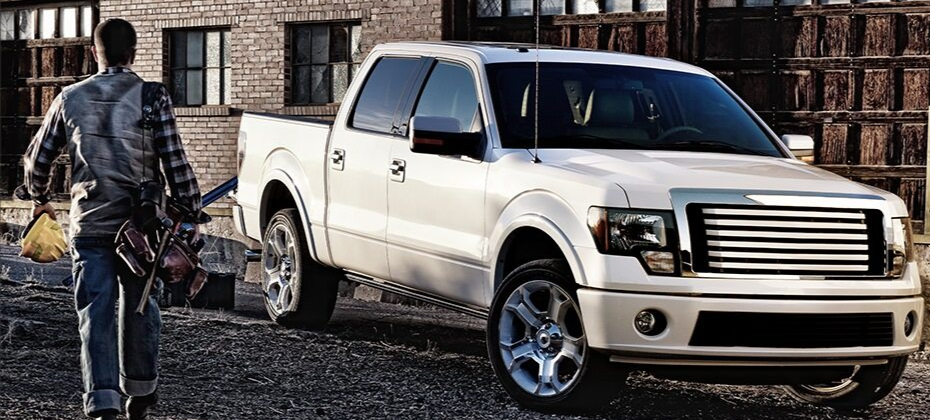
The pickup truck market is shifting gears, and hybrids are emerging as a driving force behind the change. As more drivers prioritize fuel efficiency while still expecting towing power, hybrid models are stepping in to redefine the segment. According to Experian’s Automotive Consumer Trends Report: Q3 2025, gas-hybrid and plug-in hybrid pickup trucks accounted for nearly one-in-five new light-duty trucks sold, coming in at 17.8% this quarter. This signals a major shift in a historically ICE-dominated category. Hybrids are likely gaining traction because they offer the best of both worlds. While their systems provide fuel efficiency by combining gas or diesel engines with electric motors to avoid range anxiety, they’re also meeting most towing and hauling requirements that accompany the traditional gas-powered trucks. Overall pickup truck market trends fueling hybrid growth When looking at the market from a broader perspective, there were 55.3 million light-duty trucks on U.S. roads in the third quarter of 2025, representing 20.10% of all vehicles in operation. Furthermore, as of Q3 2025, 34% of U.S. households with one-or-more vehicles also own a light-duty pickup truck, giving this segment a strong foothold in transportation options. The widespread presence underscores the pickup truck’s influence in the automotive industry as they set the pace for consumer expectations and steer market trends. The increased momentum for hybrid trucks can also help OEMs and dealers capitalize on growing their presence in an increasingly competitive space. It’s important for automotive professionals to consider aligning sales strategies with evolving buyer preference to elevate consumer engagement as this trend offers benefits today and even greater potential ahead. To learn more about pickup truck insights, view the full Automotive Consumer Trends Report: Q3 2025 presentation.
In today’s showrooms, fraud doesn’t walk in wearing an obvious disguise. It looks like a “perfect” deal: Clean driver’s license Solid story Willing to sign anything … and then the payments never show up. Your team is stuck in the middle: protect the store from fraud and keep the buying experience fast and friendly. That’s exactly what Fraud Protect™ is built to do—a web-based Experian solution that helps automotive dealers quickly verify customer identities and detect fraud risk right from their CRM, on the customer’s own phone. How Fraud Protect makes identity verification quick and easy Fraud Protect is designed to slide into the process you already use, not blow it up. Here’s the actual flow. 1. Launch from your CRM The dealer starts everything from the CRM: Your team sends the customer a secure link directly from your CRM via SMS or email. The customer opens that link on their own mobile device and completes the flow on their phone. No special hardware. No juggling devices at the desk. 2. License authentication Next, the customer authenticates their driver’s license: They scan their license using their phone camera. The image is securely captured and processed in the background to ensure the license complies with standards. This kicks off document checks and helps anchor the identity to a real-world credential, without unsecured paper or digital copies, creating additional dealership risk! 3. Selfie capture for biometric match Then Fraud Protect confirms the person matches the document: The customer takes a selfie on their phone. Fraud Protect performs a biometric match between the selfie and the license image. If someone is trying to use a stolen or borrowed ID, this is where things start to fall apart for them. 4. One-time passcode (OTP) verification Fraud Protect also validates digital contact points if a heightened risk of third-party fraud is determined : A one-time passcode is sent to confirm the customer’s mobile phone number. The customer enters that OTP, proving they control those channels. Now you’ve tied a face, an ID, and real contact points together. 5. Identity verification & results into the CRM Behind the scenes, Fraud Protect: Runs the collected data through Experian’s fraud and identity analytics, including historical identity information and credit usage patterns. Identifies potential risks tied to that identity. Sends clear, easy-to-read results back into the dealer’s CRM—icons, scores and flags your team can actually act on. Dealerships never leave their system of record; they just see a clean signal on whether to proceed, step up, or take a harder look. What’s powering all this under the hood Fraud Protect sits on Experian’s proven fraud and identity stack: Precise ID® – Experian’s identity risk and fraud platform, using machine learning to detect first-party, third-party and synthetic identity fraud. Datos Insights named Experian’s First Party Fraud Scores a Silver Medalist for Best First-Party Fraud Innovation in its 2025 Impact Awards CrossCore® – Experian’s fraud and identity orchestration platform, recognized by KuppingerCole as an Overall, Product, Innovation and Market Leader in Fraud Reduction Intelligence Platforms. These aren’t just our claims. The superiority of Experian’s fraud prevention capabilities has been recognized by reputable industry experts, such as Datos Insights, Juniper Research, KuppingerCole, and others—proof that the analytics you rely on have been tested and validated outside of your four walls. What this actually means for dealers Boil it down, Fraud Protect gives you: Streamlined identity proofing : Customers complete license scan, selfie and OTP verification on their own phone via a secure link from your CRM—no clunky hardware, no awkward workflows. And it works well in-person or remote. Stronger fraud detection up front: Identity, device and contact points are tied together and evaluated using Experian’s fraud analytics, helping you spot high-risk identities before the deal advances. Simple, actionable results for your team: Instead of raw data, users see clear scores, icons and flags in the CRM, so they know when to green-light, step up verification or escalate friction. Documented protection: Creates a consistent, documented identity verification trail that helps show lenders you’ve met your obligations to appropriately verify customers—supporting a stronger fraud mitigation posture and helping reduce fraud-related charge-offs and disputes. You get more confidence in the deals you say “yes” to, and a better footing when questions come up later. When to put Fraud Protect on the table Fraud Protect is worth a serious look if you’re seeing: More ID-related issues or suspicious stories at the desk Growth in remote, digital or hybrid deals where you can’t rely on in-person cues Pressure from lenders or OEMs to tighten identity verification and fraud controls Increasing lender chargebacks or funding challenges tied to suspected fraud or identity concerns Lack of clear criteria for determining which deals to scrutinize more closely and which to fast-track Internal concern about first-party or synthetic fraud sneaking through as “good” deals In those scenarios, Fraud Protect gives you a way to upgrade your identity verification to something lenders recognize and customers are already used to from other digital experiences. Explore Fraud Protect: https://www.experian.com/automotive/fraud
Many across the industry have been waiting to learn how EV activity has changed now that the EV tax credit has been eliminated. According to Experian’s State of the Automotive Finance Market Report: Q3 2025, the EV market saw a sharp uptick in transactions as many locked in these benefits before they disappeared, though it remains to be seen what the market will look like in the fourth quarter. With the EV market expanding and more models entering the lineup, shoppers also benefited from various options across a wider range of price points within their budget. Even so, many opted to lease a new EV rather than purchase it. More than 56% of consumers leased an EV in Q3 2025, up from 46.43% last year. The gap between the number of EV leases and purchases reflects several underlying factors, one of them being this option likely offered lower upfront costs and monthly payments. For instance, the average monthly payment for a lease was $172 lower than a loan for an EV in Q3 2025. Where EV performance stands in the broader market When looking at the data from a larger perspective, EVs made up 25.31% of the total new lease market, compared to 17.69% a year ago. The alternative fuel type also comprised four of the top ten leased models, with Tesla Model Y (4.35%) and Tesla Model 3 (2.58%) as the top two. They were followed by the Honda Prologue (1.78%) as the fifth most leased model and the Hyundai IONIQ 5 (1.49%) as the ninth. EVs making up nearly half of the top ten leased models in the overall market underscores how quickly consumer preferences can shift and how incentives play a role in purchasing behavior. Consumers’ comfort with EV technology continuing to grow paired with the steady expansion of compelling models across segments also highlights the momentum that is being brought to the overall automotive industry. As the market continues to move forward, the interplay of expiring incentives, more model availability, and a strong desire for leasing shows how EVs have steadily become a more prominent consideration. Leveraging these insights will help automotive professionals best position themselves to support consumers navigating an increasingly dynamic landscape. To learn more about EVs and other automotive finance trends, view the full State of the Automotive Finance Market Report: Q3 2025 presentation on demand.
Experian Automotive Series | What Auto Marketers Are Prioritizing in the Second Half of 2025 As we close out our four-part series on what auto marketers are prioritizing in the second half of 2025, we’re shifting gears from strategy to execution. It’s time to explore how marketers are operationalizing data, seeking clarity, and building emotional connections that deepen relationships with customers. With the end of the year’s competitive automotive landscape, clarity and connection aren’t just buzzwords—they’re the cornerstones of growth and loyalty for 2026. Let’s start by exploring how clarity empowers today’s marketers to steer their strategies with control. Clarity: Putting marketers in the driver’s seat Data-guided auto marketers who leverage data insights have a clearer understanding of where consumers are on their car-buying journey. You can learn whether car buyers are gearing up for: A longer commute and want an electric vehicle (or a hybrid vehicle).1 Expanding their family and want a top-tier safety rating with cargo space. Factoring in market trends and wanting to be more economical.2 Creating a new and loyal customer base requires dealers, marketers, and OEMs to focus on clarity and connection. This will be more relevant than ever in the final days of 2025. Gone are the days when dealers and agencies used platforms and tools they did not understand. More businesses are simplifying their services and products by offering guides, Artificial Intelligence (AI) tools, tutorials, consultants, and webinars. At Experian Automotive, we're here to do just that, bringing clarity to our auto solutions, such as the Experian Marketing Engine (EME). While the EME tool has robust and dynamic data, two of our most widely used features — AutoAudiences and AutoInsights — stand out for their impact. Let’s break them down in the simplest way: AutoInsights helps marketers define where, what, and how. AutoAudiences helps reach who to target and when they might be in the market. For further clarification, savvy marketers leverage AutoInsights to strategize and understand their market, then activate AutoAudiences to curate marketing opportunities. With these tools empowering clarity, it’s equally important to focus on building genuine connections with car shoppers. Connection: Personalized experiences that drive sales Building a strong connection starts by truly understanding what consumers need and where they are on their car-buying journey. It’s important to know how consumers plan to use their vehicle and how they have serviced their cars in the past (or how they plan to service them in the future). By focusing on these details, marketers and dealerships can create more meaningful relationships and deliver helpful, relevant experiences that customers value. On the journey to better connections, consider your customers’ communication preferences, 2026 plans, and affordability.3 “Human connection...separates good stores from great ones,” notes Dealer Principal, Matt Birckhead at Sir Walter Chevrolet4 , while General Manager, Michael Wood at Jaguar Land Rover Virginia Beach collaborates with his Digital Director, Ryan Montville, to generate vehicle specs and feature descriptions that connect emotionally with target buyers 5 Key Takeaway: Automotive marketers who leverage data-informed clarity and authentic customer connection are best positioned to drive growth and loyalty in the final days of 2025 into 2026. By using innovative tools like Experian Marketing Engine, focusing on consumer needs, and personalizing every interaction, dealerships, agencies, and OEMs can optimize campaigns and foster lasting relationships. Mastering clarity with data and building emotional connections are the keys to success in automotive marketing today. Ready for clarity and connection with Experian data? Lead the way in creating customer-first experiences that fuel long-term growth. Connect with Experian Automotive and start driving measurable impact. Learn More https://www.coxautoinc.com/insights-hub/q3-2025-ev-sales-report-commentary/ https://www.experian.com/automotive/auto-credit-webinar-form https://news.dealershipguy.com/p/inside-q4-s-new-vehicle-trends-and-how-dealers-are-adjusting-2025-10-28 https://news.dealershipguy.com/p/one-price-vs-negotiation-what-four-operators-say-really-builds-trust-and-gross-2025-10-16 https://news.dealershipguy.com/p/5-powerful-chatgpt-hacks-car-dealers-are-using-to-supercharge-their-business-insights-2025-09-19
As we enter the end of the year (and holiday sale season), auto marketers are motivated to deliver “Hail Mary” plays —bold, high-impact campaigns designed to resonate with today’s consumers and drive last-minute wins. This post is the third installment in our Experian Automotive Series, spotlighting what leading marketers are prioritizing in the second half of the year. Our first post unpacked how to measure marketing effectiveness using GA4 and attribution strategies. The second post focused on consumer communication—highlighting how texting, direct mail, and zip code targeting are reshaping engagement. Now, we turn our attention to building Fourth Quarter wins with a marketing playbook. From assigning a campaign “Quarterback” to leveraging CPO and service strategies, this post outlines four actionable plays to help you finish the year strong. Playbooks aren’t just reserved for football season. Well-prepared auto marketers are leveraging strategic frameworks to execute their marketing campaigns seamlessly. Whether it’s navigating inventory shifts, optimizing service campaigns, or refining audience targeting, building a marketing playbook tailored to your goals can turn fourth-quarter pressure into performance. Before you close out 2025, make sure the following plays are called: 1) Appoint a Dedicated in-house “Product User” (aka ‘Quarterback’) Just like a winning football team assigns key roles to execute plays seamlessly, successful marketers must have a go-to leader who knows the tools and resources they’re leveraging. This designated resource can rally your team, collaborate on the right plays, and determine the audiences to target—ensuring your products score big with every campaign. Pro-Tip: With Experian Marketing Engine, success comes when a dedicated Lead user can view their AutoInsights and consistently download AutoAudiences. 2) Data with Direction: Guide Every Play The best football players and the best marketers don’t just ‘set’ a plan and ‘forget’ it. They study footage or analyze trends and adjust based on the challenges they face. As a result, marketers need more than one data source. Passes and assists matters—Autotrader notes, "Today's average car buyer has 62 touchpoints on the path to purchase, but the average dealer only tracks 2.” 1 Dealers, Agencies, and OEMs need to interpret multiple data sources, adopt multi-touch attribution (MTA), and adjust their marketing plan. Being data-guided means using insights with context, deploying targeted campaigns, estimating ROI across touchpoints, aligning with all available data sources— and knowing when to call an audible. Pro-Tip: Stay ahead of the curve and measure the effectiveness of your automotive campaigns with Experian Auto Solutions. 3) Consider CPO and Service as Part of Your ‘Special Teams’ Just like kick returns and field goals can decide a game, your CPO and service strategies can create a margin of victory for a dealership. CPO and Used vehicles are in high demand. Review the stats: CPO sales increased 7% MoM from August and are running 2.6% higher YTD when considering the same period from last year 2 Used cars outsell New ones 2:1 3 When it comes to Service, the cost of a repair order (RO) is increasing, and dealers need to stay agile. According to Car Dealership Guy, “The next era of [Service department] growth probably won’t come from charging more —it will come from operating smarter and more efficiently” 4 Pro-Tip: Explore Experian’s CPO Affinity Audience and Service Affinity Audience to identify customers likely to make a CPO purchase or schedule service within a given timeframe. With a Service Affinity, try:(1) Promoting bundled offers tied to seasonal repair (Cold Weather Readiness Check: Tire rotation + Cabin Air Filter Replacement)(2) Sending timely service coupons or Miles Driven reminders.Encourage customers to choose your dealership. 4) Transparency with Data Integration can make a Dealer an MVP with Customers Between a strong omnichannel experience, Vehicle History Data, and truly understanding customers’ needs, each dealer has to have a competitive edge. Cox Automotive’s, Lori Whittman emphasizes, 80% of Consumers expect to work with a dealer...[customers] want to figure out what they can afford. 5 Create a personalized experience by connecting data and reducing customer frustration. Pro-Tip: Experian is the only primary data source for vehicle data, consumer data, and credit data. Experian Marketing Engine helps dealers reach (I)n (T)he (M)odel (M)arket (ITMM) customers where they are in their purchase journey. With a decline in financing incentives and loan & lease payments increasing 6 lean into EME’s Sales Affinity Audience. Consider targeting customers that have a propensity to lease, finance, or trade in their vehicles (amongst other purchase type options). Key Takeaway: Whether you are a Dealer, OEM, Agency, or Lender, as you close out 2025, remember that success in automotive marketing requires both strategic planning and adaptability with compliant data that fits your unique needs. Remember these 4 Pro-Tips when optimizing your playbook: Assign dedicated platform users Integrate multiple data sources to deliver targeted, effective campaigns Include CPO and Service strategies as essential game-changers Transparent integration can keep your dealership in the end zone Decide where you can capture valuable margins based on trends, consider your data consultants, and collaborate on seamless experiences that meet consumer expectations. Ready for Growth Opportunities with Experian Data? Find out more about the data and solutions you need to make critical business decisions. Connect with Experian Automotive and start engaging with the right audiences at each stage of their car buying journey. Learn More Sources: https://www.coxautoinc.com/insights-hub/autotrader-finds-dealers-miss-key-sales-and-wasted-ad-budgets-with-92-of-vehicle-sales-untraceable/ https://www.coxautoinc.com/insights-hub/used-retail-vehicle-sales-august-2025/ https://news.dealershipguy.com/p/used-car-pipelines-are-transforming-here-s-how-dealers-are-building-multiple-buying-channels https://news.dealershipguy.com/p/service-profits-soar-to-record-highs-but-dealer-pricing-power-has-its-limit-report-2025-08-19 https://www.coxautoinc.com/insights-hub/watch-now-2025-cox-automotive-leadership-roundtable-sessions/ https://www.experian.com/automotive/auto-credit-webinar-form