At A Glance
Credit plays a vital role in the lives of consumers, helping them achieve important milestones – such as purchasing a car and buying their own home. Unfortunately, not every creditworthy individual has equal access to financial services. By leveraging expanded data sources, you can gain a more complete view of creditworthiness, make better decisions and empower consumers to more easily access financial opportunities.In an era where financial health is closely tied to economic mobility, the ability to obtain access to credit remains one of the most critical—and unequal—factors in determining long-term financial opportunities. While traditional credit data remains a powerful tool, it doesn’t always capture the full picture of a consumer’s financial story, especially for thin-file, new-to-credit, or nontraditional consumers.
To drive true financial inclusion, financial institutions must go beyond conventional data sources and adopt a broader, more dynamic approach, one that includes alternative data and real-time financial behavior, such as cash flow insights.
The financial inclusion gap: who’s being left out?
Nearly 19 million U.S. households remain unbanked — yet many individuals within these communities possess the ability to borrow responsibly, save diligently and build long-term wealth. Traditional credit models alone may not fully capture these behaviors, leaving lenders with incomplete information and consumers without access to credit and the financial services they need. For lenders, inclusion isn’t just a mission, it’s a market opportunity to unlock new revenue streams, reduce portfolio risk through diversification and build trust with tomorrow’s borrowers. By incorporating deeper insights, such as income patterns and alternative financial behaviors, you can obtain a more accurate picture of a consumer’s financial health. This will lead to more informed lending decisions and pave the way for a new era of inclusive, sustainable growth.
Traditional credit scores tell part of the story — cash flow tells the rest
Real-time cash flow data — sourced from consumer-permissioned information such as income streams, bank account balances and credit card activity — offers a more holistic and timely view of a borrower’s financial health. This dynamic data captures the day-to-day realities of a consumer’s financial behavior, enabling lenders to assess risk and creditworthiness more accurately.
By leveraging cash flow insights, you can better understand and serve individuals with thin or no credit files, design more tailored financial products and align offerings with real consumer needs and financial rhythms. The result: smarter, faster decision-making that expands access to credit while enhancing portfolio performance.
Introducing Experian’s Credit + Cash Flow Score
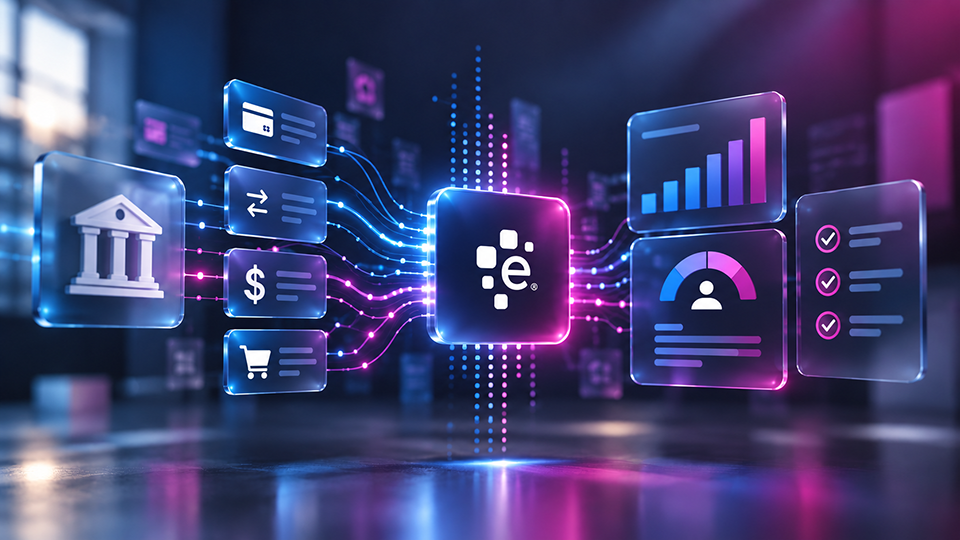
To help financial institutions harness the power of both traditional and alternative data, we’ve developed the Credit + Cash Flow Score—a hybrid model that blends bureau-based insights with real-time cash flow data.
This score gives lenders:
- A stronger foundation for inclusive lending strategies
- Deeper visibility into an applicant’s current financial behavior
- Improved risk segmentation, even for thin-file or new-to-credit applicants
- Better approval decisions, while maintaining portfolio integrity
Taking the next step toward inclusive growth
Financial institutions don’t have to choose between growth and responsibility. By integrating our financial inclusion tools, such as cash flow insights and alternative credit data, into your lending strategy, you can reach new customer segments, reduce friction in the decision-making process, and make smarter, more equitable credit decisions.
Let’s work together to make financial inclusion more than a goal—let’s make it a reality.