At A Glance
Cash flow underwriting uses consumer-permissioned bank account transaction and balance data to add a current view of a borrower’s income, expenses and financial activity to lending decisions. Lenders analyze those insights alongside traditional credit information to assess repayment capacity, review close-call applications and inform account management.Alternative lending is continuing to revolutionize the financial services landscape. From full-file public records to cash flow transactions, alternative credit data empowers financial institutions to make more informed lending decisions.
This article focuses on cash flow insights and how they help financial institutions drive profitable and inclusive growth.
Challenges with traditional credit underwriting
Cash flow underwriting is an approach to evaluating a borrower’s ability to repay by using insights from consumer-permissioned bank account data. Depending on the solution and the information available, that data can show income patterns, expenses, account balances, recurring payments and changes in cash flow over time.
Lenders can use these insights to add context to a credit application, such as when a borrower has limited credit history or when a lender wants a more current view of financial capacity. Cash flow data is most useful as an additional source of information alongside traditional credit data, which provides a history of how consumers have managed credit.
How does cash flow underwriting work?
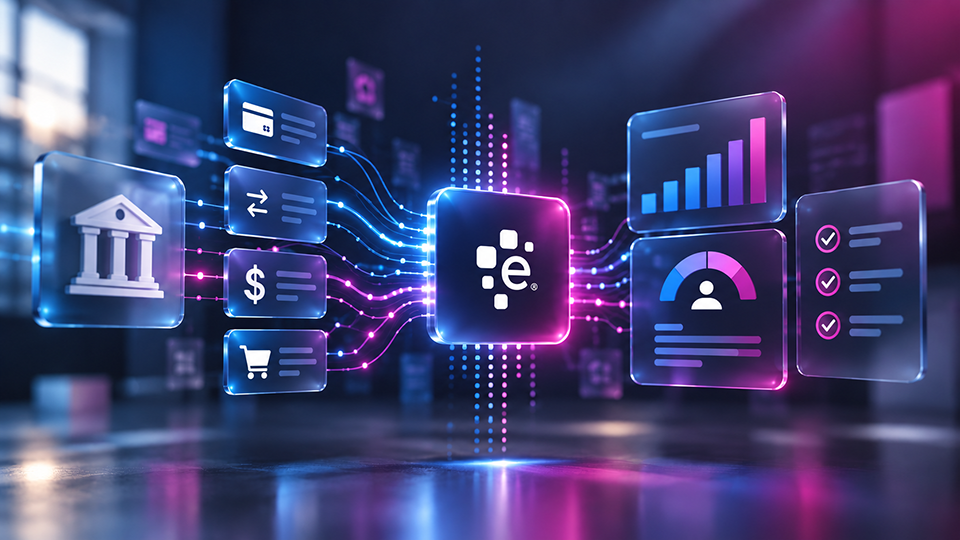
The process typically starts when a consumer is invited to securely connect a bank account and permission access to transaction data for a specific purpose. The data is then organized into categories and analyzed to produce insights lenders can use in their decisioning process.
Depending on the solution, cash flow data may include:
- Income deposits, frequency and consistency
- Recurring expenses and estimated obligations
- Account balances and available liquidity
- Spending, savings and debt-management patterns
- Changes in cash flow over time
Lenders can incorporate these insights into existing underwriting strategies, such as by using them to verify or contextualize application information, assess close-call applications or inform account management. The specific data used and how it affects a decision depends on the lender’s strategy and the consumer’s permission.
Cash flow insights complement traditional credit information. Credit history shows how a consumer has managed credit over time; transaction data can add a more current view of income and expenses. Together, they can give lenders additional context for assessing repayment capacity.
Cash flow underwriting use cases
Lenders can apply cash flow insights at different stages of the credit lifecycle. Examples include:
- Income verification: A lender can review income deposits and their consistency to add context to self-reported income during an application.
- Second-look lending: If an application is a close call based on traditional credit information, a lender may consider consumer-permissioned cash flow insights as additional information in its review.
- Credit line management: A lender can use income, expenses and balance patterns to inform credit line reviews and account management.
Cash flow underwriting vs. traditional underwriting
Traditional underwriting uses information such as credit history, credit scores and repayment behavior to assess an application. Cash flow underwriting adds insights from consumer-permissioned transaction and balance data, which can help lenders evaluate a borrower’s current financial activity.
The approaches can work together. Credit information provides a history of credit management, while cash flow insights can add context about income, expenses and liquidity. Lenders can determine how to incorporate both sources into their own policies and decisioning strategies.
Benefits of cash flow underwriting
When used alongside traditional credit information, cash flow data can support several lending goals:
- Enhanced risk assessment. Income, expense and balance patterns can give lenders more context for assessing repayment capacity. Experian reports that pairing cash flow insights with credit data can improve predictive performance by up to 40% and help increase approvals by up to 25% without adjusting risk tolerance. These are results from Experian analysis; performance depends on the population and products used. 1
- Inclusive lending. The Federal Reserve estimates that roughly 32 million U.S. adults are unscoreable, including people with no credit history and people with a thin file. Cash flow insights may add useful context for some of these applicants, while each lender remains responsible for its own credit policies and decisions.2
- Improved customer experiences. Permissioned account data can give lenders another way to review relevant financial information during an application. In an Experian-commissioned 2026 survey, 60% of consumers who had previously been denied credit or received less favorable terms said they believed the outcome would have been different if the lender had considered recent income and banking activity alongside credit history.3
READ: Learn more about the benefits of leveraging alternative data for credit underwriting.
How Experian can help
Experian offers cash flow capabilities that help lenders turn consumer-permissioned transaction data into insights for lending decisions. Experian Cashflow Attributes uses transaction data to generate 970+ attributes across 133 categories, with insights into areas such as spending, savings, debt management and net worth. Lenders can use these attributes in underwriting, analytics and account management.
Experian Cashflow Data Bureau, Inc. is a consumer reporting agency operating under the Fair Credit Reporting Act. It helps financial institutions adopt cash flow insights through services including consumer permission and account connectivity, cash flow consumer reports, analytics, scoring and decision-ready insights. Lenders can use these capabilities alongside Experian’s credit data and analytics to bring cash flow insights into existing underwriting strategies.
Sources
- Based on Experian analysis when its Cashflow Score solutions are compared to conventional credit scores, tailored to targeted risk tiers. Predictability based on GINI.
- https://www.federalreserve.gov/publications/2025-october-consumer-community-context.htm
- Experian commissioned Atomik Research to conduct an online survey of 2,000 adults age 18+ in the United States. The margin of error for the overall sample is +/- 2.2 percentage points with a confidence level of 95 percent. Fieldwork took place between July 16 – July 21, 2026.