Credit & Risk

Millions of consumers lack credit history and/or have difficulty obtaining credit from mainstream financial institutions. To ease access to credit for “invisible” and below prime consumers, financial institutions have sought ways to both extend and improve the methods by which they evaluate borrowers’ risk. This initiative to effectively score more consumers has involved the use of alternative credit data.1 Alternative credit data is FCRA-compliant data that is typically not included in a traditional credit report and is used to deliver a more complete view into a consumer’s creditworthiness. “Alternative credit data helps us paint a fuller picture of a consumer so they can get better access to the financial services they need and deserve,” said Alpa Lally, Vice President of Data Business at Experian. Experian recently sponsored the FinovateSpring conference in San Francisco, where Alpa had a chance to sit down with Jacob Gaffney, Editor-in-Chief of the HousingWire News Podcast, to discuss ways consumers can improve their credit scores. As an immigrant, Alpa spoke personally about the impact of having a limited credit history and how alternative credit data can help drive greater access to credit for consumers and profitable growth for lenders through more informed lending decisions. Highlights include: How alternative and traditional credit data differ Types of alternative credit data being used by lenders How “credit-invisibles” can best leverage alternative credit data Alternative credit data product solutions, including Experian BoostTM Listen now 1When we refer to “Alternative Credit Data,” this refers to the use of alternative data and its appropriate use in consumer credit lending decisions, as regulated by the Fair Credit Reporting Act. Hence, the term “Expanded FCRA Data” may also apply in this instance and both can be used interchangeably.
Consumer credit trends and markets are constantly evolving, particularly when it comes to originations and delinquencies on mortgages, credit cards and auto loans. According to Experian research, over 2.7 million out of 89 million active automotive loans and leases are either 30 or 60 days delinquent. Triggers that signal a greater likelihood of consumers falling delinquent on loans, mortgages and credit card payments, include high-interest rates, a high utilization rate and recent derogatory trades. By tracking and forecasting consumer trends over time, you can more easily predict consumer behavior and better prepare for potential issues within each market. Join Gavin Harding, Experian Senior Business Consultant, and Alan Ikemura, Experian Data Analytics Senior Product Manager, during our live Quarterly Credit Trends webinar on May 30 at 2:00 p.m. ET. Our expert speakers will provide a view of the real estate market and share insights on the latest consumer credit trends. Highlights include: 2019 economic drivers Q1 2019 origination and delinquency trends Mortgage Home equity Bankcard Auto Register now
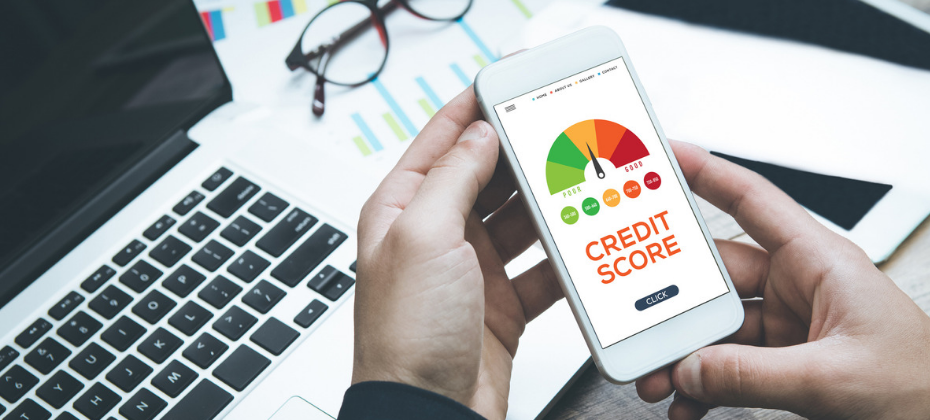
We’ve rounded up what it takes for consumers to have a good credit score, in addition to some alternative considerations. Read more!

As Gen Z enters the economy, they bring with them an entirely new set of priorities when it comes to their finances. Move over Millennials.

Increase in delinquent loans has led to a discussion about the auto finance industry's stability. But it’s important to put these trends into context.

Alternative Credit Data and Trended Data have different strengths, but when used together, they can make a world of difference on your strategy as a whole.

Experian Boost gives consumers greater control over their credit profiles by allowing them to add non-traditional credit information to their Experian credit file.

New year, new personal loans. As Americans kick off the year seeking debt consolidation, consumer insights shed light for your future marketing efforts.

Findings from the Q3 State of the Automotive Finance report show that Subprime originations hit the lowest overall share of the market seen in 11 years.

Experian is ushering a new age of consumer empowerment with Experian Boost, which eliminates the guesswork of what goes into a credit score.

Holiday shoppers are gearing up with gift lists and credit cards in tow. Optimize opportunities to attract them with offers to increase your walletshare.

A recent report showcases the results of what happens with FinTechs and financial institutions partner together. Hear their experiences with collaboration.

Despite consumers taking out larger loan amounts, they continue to make their monthly payments on time. But, affordability remains a

FinTechs first entered the marketplace as competitors, but as they grow, some have started to partner with traditional financial institutions.

Not only are personal loans are increasing, but so is the share of those loans originated by FinTechs is also growing quickly across all generations.