Latest Posts

Learn how Experian's Credit + Cashflow Score leads to a 40% improvement in predictive accuracy compared with conventional credit models.

Experian Automotive Series | What Auto Marketers Are Prioritizing in the Second Half of 2025 As we close out our four-part series on what auto marketers are prioritizing in the second half of 2025, we’re shifting gears from strategy to execution. It’s time to explore how marketers are operationalizing data, seeking clarity, and building emotional connections that deepen relationships with customers. With the end of the year’s competitive automotive landscape, clarity and connection aren’t just buzzwords—they’re the cornerstones of growth and loyalty for 2026. Let’s start by exploring how clarity empowers today’s marketers to steer their strategies with control. Clarity: Putting marketers in the driver’s seat Data-guided auto marketers who leverage data insights have a clearer understanding of where consumers are on their car-buying journey. You can learn whether car buyers are gearing up for: A longer commute and want an electric vehicle (or a hybrid vehicle).1 Expanding their family and want a top-tier safety rating with cargo space. Factoring in market trends and wanting to be more economical.2 Creating a new and loyal customer base requires dealers, marketers, and OEMs to focus on clarity and connection. This will be more relevant than ever in the final days of 2025. Gone are the days when dealers and agencies used platforms and tools they did not understand. More businesses are simplifying their services and products by offering guides, Artificial Intelligence (AI) tools, tutorials, consultants, and webinars. At Experian Automotive, we're here to do just that, bringing clarity to our auto solutions, such as the Experian Marketing Engine (EME). While the EME tool has robust and dynamic data, two of our most widely used features — AutoAudiences and AutoInsights — stand out for their impact. Let’s break them down in the simplest way: AutoInsights helps marketers define where, what, and how. AutoAudiences helps reach who to target and when they might be in the market. For further clarification, savvy marketers leverage AutoInsights to strategize and understand their market, then activate AutoAudiences to curate marketing opportunities. With these tools empowering clarity, it’s equally important to focus on building genuine connections with car shoppers. Connection: Personalized experiences that drive sales Building a strong connection starts by truly understanding what consumers need and where they are on their car-buying journey. It’s important to know how consumers plan to use their vehicle and how they have serviced their cars in the past (or how they plan to service them in the future). By focusing on these details, marketers and dealerships can create more meaningful relationships and deliver helpful, relevant experiences that customers value. On the journey to better connections, consider your customers’ communication preferences, 2026 plans, and affordability.3 “Human connection...separates good stores from great ones,” notes Dealer Principal, Matt Birckhead at Sir Walter Chevrolet4 , while General Manager, Michael Wood at Jaguar Land Rover Virginia Beach collaborates with his Digital Director, Ryan Montville, to generate vehicle specs and feature descriptions that connect emotionally with target buyers 5 Key Takeaway: Automotive marketers who leverage data-informed clarity and authentic customer connection are best positioned to drive growth and loyalty in the final days of 2025 into 2026. By using innovative tools like Experian Marketing Engine, focusing on consumer needs, and personalizing every interaction, dealerships, agencies, and OEMs can optimize campaigns and foster lasting relationships. Mastering clarity with data and building emotional connections are the keys to success in automotive marketing today. Ready for clarity and connection with Experian data? Lead the way in creating customer-first experiences that fuel long-term growth. Connect with Experian Automotive and start driving measurable impact. Learn More https://www.coxautoinc.com/insights-hub/q3-2025-ev-sales-report-commentary/ https://www.experian.com/automotive/auto-credit-webinar-form https://news.dealershipguy.com/p/inside-q4-s-new-vehicle-trends-and-how-dealers-are-adjusting-2025-10-28 https://news.dealershipguy.com/p/one-price-vs-negotiation-what-four-operators-say-really-builds-trust-and-gross-2025-10-16 https://news.dealershipguy.com/p/5-powerful-chatgpt-hacks-car-dealers-are-using-to-supercharge-their-business-insights-2025-09-19

Gain invaluable insights into how value-added financial services could strengthen consumer relationships and enhance decisioning. Read more!
See how borrower credit, DTI, income, and insurance costs shift after origination, and how EES delivers the visibility lenders need to refine credit and prepay risk.

Read our e-book to learn how forward-thinking agencies are adapting their collections strategies to recover more and enhance relationships.

Learn how customer engagement in banking is key to building loyalty and earning long-term trust. Read more!

Fintech analytics transforms fragmented data into real-time decisioning power, helping lenders manage risk and earn consumer trust.
As we enter the end of the year (and holiday sale season), auto marketers are motivated to deliver “Hail Mary” plays —bold, high-impact campaigns designed to resonate with today’s consumers and drive last-minute wins. This post is the third installment in our Experian Automotive Series, spotlighting what leading marketers are prioritizing in the second half of the year. Our first post unpacked how to measure marketing effectiveness using GA4 and attribution strategies. The second post focused on consumer communication—highlighting how texting, direct mail, and zip code targeting are reshaping engagement. Now, we turn our attention to building Fourth Quarter wins with a marketing playbook. From assigning a campaign “Quarterback” to leveraging CPO and service strategies, this post outlines four actionable plays to help you finish the year strong. Playbooks aren’t just reserved for football season. Well-prepared auto marketers are leveraging strategic frameworks to execute their marketing campaigns seamlessly. Whether it’s navigating inventory shifts, optimizing service campaigns, or refining audience targeting, building a marketing playbook tailored to your goals can turn fourth-quarter pressure into performance. Before you close out 2025, make sure the following plays are called: 1) Appoint a Dedicated in-house “Product User” (aka ‘Quarterback’) Just like a winning football team assigns key roles to execute plays seamlessly, successful marketers must have a go-to leader who knows the tools and resources they’re leveraging. This designated resource can rally your team, collaborate on the right plays, and determine the audiences to target—ensuring your products score big with every campaign. Pro-Tip: With Experian Marketing Engine, success comes when a dedicated Lead user can view their AutoInsights and consistently download AutoAudiences. 2) Data with Direction: Guide Every Play The best football players and the best marketers don’t just ‘set’ a plan and ‘forget’ it. They study footage or analyze trends and adjust based on the challenges they face. As a result, marketers need more than one data source. Passes and assists matters—Autotrader notes, "Today's average car buyer has 62 touchpoints on the path to purchase, but the average dealer only tracks 2.” 1 Dealers, Agencies, and OEMs need to interpret multiple data sources, adopt multi-touch attribution (MTA), and adjust their marketing plan. Being data-guided means using insights with context, deploying targeted campaigns, estimating ROI across touchpoints, aligning with all available data sources— and knowing when to call an audible. Pro-Tip: Stay ahead of the curve and measure the effectiveness of your automotive campaigns with Experian Auto Solutions. 3) Consider CPO and Service as Part of Your ‘Special Teams’ Just like kick returns and field goals can decide a game, your CPO and service strategies can create a margin of victory for a dealership. CPO and Used vehicles are in high demand. Review the stats: CPO sales increased 7% MoM from August and are running 2.6% higher YTD when considering the same period from last year 2 Used cars outsell New ones 2:1 3 When it comes to Service, the cost of a repair order (RO) is increasing, and dealers need to stay agile. According to Car Dealership Guy, “The next era of [Service department] growth probably won’t come from charging more —it will come from operating smarter and more efficiently” 4 Pro-Tip: Explore Experian’s CPO Affinity Audience and Service Affinity Audience to identify customers likely to make a CPO purchase or schedule service within a given timeframe. With a Service Affinity, try:(1) Promoting bundled offers tied to seasonal repair (Cold Weather Readiness Check: Tire rotation + Cabin Air Filter Replacement)(2) Sending timely service coupons or Miles Driven reminders.Encourage customers to choose your dealership. 4) Transparency with Data Integration can make a Dealer an MVP with Customers Between a strong omnichannel experience, Vehicle History Data, and truly understanding customers’ needs, each dealer has to have a competitive edge. Cox Automotive’s, Lori Whittman emphasizes, 80% of Consumers expect to work with a dealer...[customers] want to figure out what they can afford. 5 Create a personalized experience by connecting data and reducing customer frustration. Pro-Tip: Experian is the only primary data source for vehicle data, consumer data, and credit data. Experian Marketing Engine helps dealers reach (I)n (T)he (M)odel (M)arket (ITMM) customers where they are in their purchase journey. With a decline in financing incentives and loan & lease payments increasing 6 lean into EME’s Sales Affinity Audience. Consider targeting customers that have a propensity to lease, finance, or trade in their vehicles (amongst other purchase type options). Key Takeaway: Whether you are a Dealer, OEM, Agency, or Lender, as you close out 2025, remember that success in automotive marketing requires both strategic planning and adaptability with compliant data that fits your unique needs. Remember these 4 Pro-Tips when optimizing your playbook: Assign dedicated platform users Integrate multiple data sources to deliver targeted, effective campaigns Include CPO and Service strategies as essential game-changers Transparent integration can keep your dealership in the end zone Decide where you can capture valuable margins based on trends, consider your data consultants, and collaborate on seamless experiences that meet consumer expectations. Ready for Growth Opportunities with Experian Data? Find out more about the data and solutions you need to make critical business decisions. Connect with Experian Automotive and start engaging with the right audiences at each stage of their car buying journey. Learn More Sources: https://www.coxautoinc.com/insights-hub/autotrader-finds-dealers-miss-key-sales-and-wasted-ad-budgets-with-92-of-vehicle-sales-untraceable/ https://www.coxautoinc.com/insights-hub/used-retail-vehicle-sales-august-2025/ https://news.dealershipguy.com/p/used-car-pipelines-are-transforming-here-s-how-dealers-are-building-multiple-buying-channels https://news.dealershipguy.com/p/service-profits-soar-to-record-highs-but-dealer-pricing-power-has-its-limit-report-2025-08-19 https://www.coxautoinc.com/insights-hub/watch-now-2025-cox-automotive-leadership-roundtable-sessions/ https://www.experian.com/automotive/auto-credit-webinar-form

Three winners were announced at Experian’s inaugural Vision Awards ceremony held on Tuesday, October 7 in front of more than 800 attendees at Experian’s Vision Conference held in Miami, Fla. Figure, PREMIER Bankcard and Members First Credit Union were recognized for their work in artificial intelligence, innovation and financial empowerment. The four-day gathering provided a dynamic forum for exploring the latest innovations shaping the future of data-driven decisioning. “Our Vision Awards celebrate the unique impact financial industry leaders can have when data, technology and purpose align,” said Jeff Softley, CEO, Experian North America. “We are proud to recognize these three organizations with whom we collaborate to drive opportunities and help create change for society as a whole.” The Vision Awards recognize the achievements of organizations that accelerate action. These forward-thinking institutions leverage artificial intelligence, innovation and financial empowerment to drive opportunities and create actionable change for consumers, businesses and society. Recognizing Leaders in AI, Innovation, and Financial Empowerment A panel of interdisciplinary judges reviewed nominations from across industries across the regions, evaluating submissions based on rigor, originality, and impact. The 2025 winners reflect how organizations are leveraging data and technology to advance innovation and inclusion. Excellence in AI: Figure Figure’s submission showcased how it has redefined consumer lending outreach through an AI-driven targeting engine powered by more than 90 machine learning models and 5,000+ behavioral and financial features. By combining Experian’s prescreen data with proprietary insights, Figure delivers highly precise, cost-efficient firm offers of credit — helping it become one of the top three home equity line of credit lenders in the U.S. “This win reflects more than just a successful application of AI. It represents the broader innovative culture deeply embedded in our company’s DNA,” said Ruben Padron, Chief Data Officer at Figure. “Our work with Experian has been instrumental in helping us assess creditworthiness and predict borrower intent with greater precision.” Excellence in Innovation: PREMIER Bankcard PREMIER Bankcard continues to demonstrate how financial inclusion and innovation go hand in hand. From modernizing its technology to reimagining its product suite, PREMIER has made bold strides to serve the underserved and democratize access to credit. “This award affirms our belief that financial inclusion and innovation must go hand in hand,” said Chris Thornton, Senior Vice President of Credit at PREMIER Bankcard. “We’re committed to reaching those who need it most, and Experian has proven to be an exceptional partner in that mission.” With more than 30 million customers served, PREMIER has become a leader in first-time and second-chance credit, while also giving back more than $4 billion to charitable causes through its partnership with First PREMIER Bank and founder Denny Sanford. “We’re here to change lives,” Thornton added. “That’s how we measure success — and that’s ultimately what we’re investing in.” Excellence in Financial Empowerment: Members First Credit Union Members First Credit Union was honored for its commitment to inclusive lending and community development across Michigan. In 2024 alone, the credit union’s programs helped thousands of members access fair and affordable credit, supported 166 community organizations, and contributed nearly $230,000 in donations — backed by 2,000 volunteer hours from its employees. “Our impact demonstrates how mission-driven financial institutions can meaningfully expand access, strengthen communities, and foster long-term financial health,” said Carrie Iafrate, CEO/President at Members First Credit Union. “We’re honored to receive this recognition and inspired to continue helping individuals thrive financially.” Honoring the Judges Behind the Vision The 2025 Vision Awards were evaluated by a distinguished panel of judges representing both Experian and external associations and partners in the financial inclusion community, including: Lisa Cantu-Parks, Vice President of Resource Development, Unidos Jean Carlos Rosario Mercado, Juntos Avanzamos Program Officer, Inclusiv Ian P. Moloney, Senior Vice President, Head of Policy and Regulatory Affairs, American Fintech Council Marc Morial, President and CEO, National Urban League Kevin O’Connor, Senior Vice President, Membership and Sponsorship, Consumer Bankers Association Their expertise ensured that the winners reflect the industry’s highest standards of innovation, integrity, and impact. Ian P. Moloney, Senior Vice President, Head of Policy and Regulatory Affairs, American Fintech Council, and Rhonda Spears Bell, Senior Vice President and Chief Marketing Officer, National Urban League, were at the recognition session at Vision and shared about their organizations and experience serving as a judge. Video messages were also shared from Jean Carlos Rosario Mercado of Inclusiv and Kevin O’Connor of Consumer Bankers Association, who were unable to attend the live event. “I greatly appreciated the opportunity to participate as a judge in the Experian Vision Awards because it provided me a chance to look beyond my usual day-to-day, and understand the myriad of innovations and projects going on to help consumers and the industry,” Moloney said. “The award winners tonight showcase the best of our industry, and I appreciate the opportunity to take part in highlighting their success.” “I’m inspired by the outstanding organizations we’re celebrating tonight - each making a lasting impact in our country and globally,” Spears Bell said. “I want to take a moment to recognize Experian - not only as a valued corporate partner, but as a true ally in our mission to advance financial literacy, stability, and generational wealth.” Looking Ahead: Vision Awards 2026 Experian will continue to champion progress in financial services and across all industries, and the Vision Awards offers one of the avenues through which the industry can recognize organizations driving change through responsible innovation. Submissions for the 2026 Vision Awards open on June 1, 2026. To learn more about this year’s winners and how to apply for next year’s program, visit the Vision Awards page.

Today’s BNPL consumers are showing signs of financial responsibility, offering lenders new opportunities to empower financial futures.
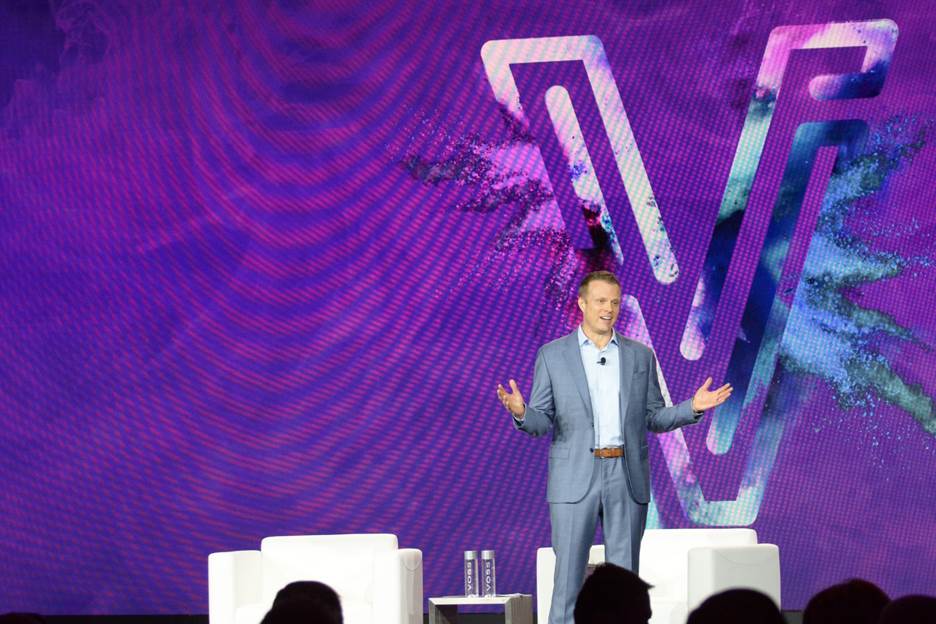
From innovation to inspiration, Day 2 of Vision 2025 delivered on every front. Attendees experienced a powerful lineup of speakers, engaging breakout sessions and hands-on exploration of technologies shaping the future of finance. Setting the tone: Responsible AI and the future of work The morning opened with an insightful keynote from Sol Rashidi, Chief Strategy Officer of AI & Data at Cyera. With a forward-looking perspective on responsible AI, Sol emphasized the need for data stewardship, workforce readiness and using AI to amplify, not replace, human potential. Her message resonated deeply: Responsible AI means outsourcing tasks, not critical thinking. Challenging convention with Dave Portnoy Next, Dave Portnoy, Founder and Chief of Content at Barstool Sports, brought an energetic conversation on entrepreneurship and disruption in the digital age. His keynote was a reminder that progress is driven by those willing to challenge convention, adapt fast and embrace change with confidence. Exploring the future of financial services After the general session, attendees joined a new wave of breakout sessions exploring the future of financial services. Discussions spanned from how fintech disruptors and embedded finance are reshaping e-commerce and investments to how data and analytics are unlocking new opportunities in housing, lending and fraud prevention. Meanwhile, the Innovation Showcase brought Experian’s cutting-edge capabilities to life, highlighting the power of AI, analytics and modern platforms in driving smarter, faster financial solutions. Closing inspiration: Shaquille O’Neal on reinvention and resilience As the day came to a close, NBA legend Shaquille O’Neal took the stage, captivating the audience with his trademark humor and hard-earned wisdom. He shared stories of his iconic basketball career and business ventures, and his philosophy behind the “business of fun,” leaving us all inspired to think big, act boldly and lead with kindness. A Vision to remember While Vision 2025 has come to a close, the conversations, partnerships and ideas sparked here will continue to shape what’s next in our industry. Thank you for making this year’s event our most inspiring and impactful yet. We can’t wait to see you next year in San Antonio, Texas!
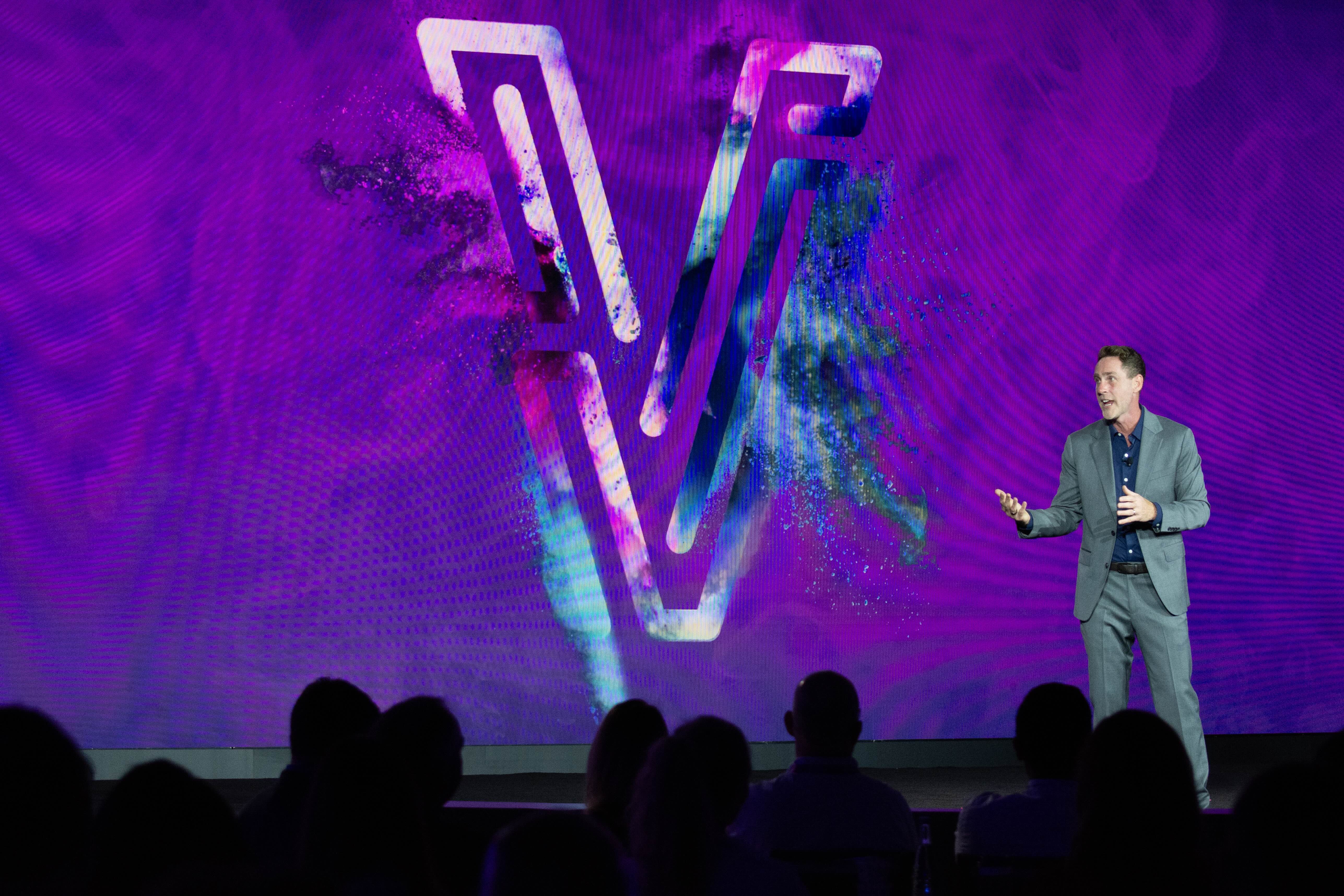
Day 1 of Vision 2025 is in the books – and what a start. From bold keynotes to breakout sessions and networking under the Miami sun, the energy and inspiration were undeniable. A wave of change: Jeff Softley opens Vision 2025 The day kicked off with a powerful keynote from Jeff Softley, Experian North America CEO, who issued a call to action for the industry: to not just adapt to change, but to lead it. “It isn’t a ripple – it’s a tidal wave of technology,” Jeff said. “Together we ride this wave with confidence.” His keynote set the tone for a day centered on innovation and the future of financial services – where technology, insight and trust converge to create lasting impact. Jeff continues this conversation in the latest Experian Exchange episode, where he explores three forces shaping the industry: the rise of AI, the demand for personalized digital experiences and the mission to expand credit access for all. Turning vision into action: Alex Lintner on agentic AI Building on Jeff’s message, Alex Lintner, CEO of Experian Software and Technology, took the stage to show how Experian is turning innovation into measurable results. His keynote explored how agentic and advanced AI capabilities are redefining financial services ROI and powering the next generation of the Ascend Platform™. For a deeper look into how Experian is reshaping the economics of credit and fraud decisioning, read the latest American Banker feature. Unfiltered insights from “Mr. Wonderful” The day’s highlight came from Kevin O’Leary, investor, entrepreneur and the always-candid “Mr. Wonderful.” With his trademark wit and honesty, Kevin shared sharp insights on thriving in a disruptive economy, offering candid advice on leadership, risk and opportunity. He even gave attendees a peek behind the Shark Tank curtain, revealing a few surprises and the mindset that drives his bold business decisions. Breakouts that inspired and informed The conference floor buzzed with energy as attendees joined breakout sessions on fraud defense, AI-driven personalization, regulatory trends and consumer insights. Sessions highlighted how Experian’s unified value proposition is fueling double-digit growth, how to future-proof credit risk strategies and how data and innovation are redefining customer engagement across the lifecycle. Hands-on innovation and connection The Innovation Showcase gave attendees an up-close look at Experian’s latest tools and technologies in action. Meanwhile, friendly competition kept the excitement high through the Vision mobile app leaderboard – with every check-in and connection earning points toward the top spot. Networking beyond the conference hall walls As the sun set, Vision 2025 shifted into high gear with unforgettable networking events across Miami – from golf at the Miller Course to art walks, brewery tours and a scenic cruise through Biscayne Bay. An evening to remember The day closed with the first-ever Vision Awards Dinner, celebrating standout leaders who are shaping the future of financial services. Up Next: Day 2 The momentum continues tomorrow as more keynote speakers take the stage. Stay tuned for more insights, innovation, and inspiration from Vision 2025.

Discover how data-driven risk management strategies are transforming credit risk management in the fintech industry.
Continuing our in-depth exploration of what automotive marketers are prioritizing, we’re taking a closer look at how refining communication and messaging strategies can help enhance the connection with consumers. As communication preferences continue to evolve for consumers, businesses have to rethink how they engage. By creating strategic plans to stay ahead, dealers, along with their advertisers and agencies, can build stronger relationships and drive better outcomes across various departments. Here are three ways to align your messaging with today’s consumers: 1. Leverage the Preferred Method of Communication for Consumers: Text messages are read 98% of the time and within 3 minutes 95% of the time, while answer rates for phone calls from unknown numbers have dropped below 15%. ¹ When it comes to Fixed Ops, Derek Simonds, Executive VP of Automotive at Numa, quotes Cox Automotive and CDK, “Over 90% of service customers would rather text with the service department than they would talk to them.” ² According to J.D. Power, client retention is key, with 82% of consumers choosing to cut ties with a dealership due to poor communication alone. 2. Assess Your Local Audience and Use Direct Mail to Connect: Rural markets may still appreciate traditional direct mail in smaller marketers. ³ When used strategically, direct mail could remind consumers of a dealer's presence and offerings. Dealers in these areas may find that physical mailers are still effective, especially when paired with offers or event invites that speak directly to the needs of the community. 3. Generate Offers by ZIP Code: Consider a ZIP code strategy and monitor local trends to move inventory with offers that focus on affordability for consumers. Do what makes sense for your ZIP, dial in what’s moving, what’s not, and experiment with messaging.4 Let your ZIP code data guide you: spot trends, adjust offers, and refine your message accordingly. This kind of geotargeting ensures you’re marketing to the right audience. Key Takeaway: Having a strong understanding of your consumer base and how they prefer to communicate is essential. Leading dealers and marketers constantly test, learn, and evolve. Right now, texting might be a preference for most consumers and direct mail could work in remote areas but be sure to pair these insights with a strategy that creates a well-rounded, responsive experience. Need help getting started? The Experian Marketing Engine can help with ZIP code targeting and unlock more meaningful consumer engagement. We empower automotive marketers to identify the right audience, uncover the most appropriate communication channels, develop messages that resonate, and measure the effectiveness of their marketing activities. Our data driven and predictive modeling audiences can identify consumer preferences and needs proactively. Connect with Experian Automotive and start reaching in-market consumers today! Discover More Sources: https://news.dealershipguy.com/p/dealers-are-saving-thousands-in-labor-in-fixed-ops-2025-05-30 https://news.dealershipguy.com/p/customers-calling-the-service-deptartment-best-dealerships-are-evolving-longo-toyota-numa-2025-07-18 https://news.dealershipguy.com/p/the-road-to-40-stores-within-10-years-proven-frameworks-to-scale-effectively-2025-07-25 https://news.dealershipguy.com/p/new-vs-used-car-sales-how-zip-code-specific-strategies-are-shaping-dealer-results-07-29-2025
Explore key drivers of residential mortgage prepayments amid high interest rates — from borrower mobility to payoff sources and market re-entry trends — with exclusive insights from Experian’s Mortgage Loan Performance Dataset.