Tag: credit marketing

When extending firm offers of credit, lenders have relied on direct mail to reach their intended audiences. But what if there are more ways to deliver a credit offer?

Rewards are among the most appealing features of any credit card. While upfront benefits, like sign-up bonuses and cashback, are most influential in card acquisition, ancillary benefits, like fraud and identity protection, can amplify a card’s overall value.1 Credit card fraud ranked as the second most common form of identity theft in 2021,2 and is expected to become even more frequent as consumers continue to bank and shop online.3 42% of consumers are concerned for the safety of their banking and shopping transactions. With digital identity theft and fraud on the rise, it’s no surprise that safety measures are “very” or “extremely” important to consumers when deciding between different credit cards.4 In response, many card issuers have started to market their security and protection-related benefits more frequently to better capitalize on their cards’ value to consumers. The ways they’ve highlighted these benefits include: A fraud protection campaign From spotlighting their fraud protection benefits in card welcome kits to providing privacy tips on social media, credit card issuers have crafted compelling campaigns to demonstrate their commitment to protecting their customers from fraud and identity theft. In turn, issuers can differentiate their cards from the competition and improve response rates. Reminders about their fraud prevention efforts Issuers have also sent out ongoing reminders outlining the protections their credit cards offer, such as credit monitoring services 5 that notify cardholders of suspicious activity on their credit report. By consistently promoting their efforts to keep their customers’ accounts and data safe, issuers can earn their cardholders’ trust, build loyalty and drive card usage. While benefits like cashback and travel points can help with card acquisition, fraud and identity protection benefits can help drive long-term customer relationships, especially now that card fraud is becoming a growing concern.6 To learn more about how businesses have worked to meet the consumer demand for secure interactions, check out our 2021 Global Identity and Fraud Report. Learn more 1Jonathan O'Connor. "Most Consumers Aren't Aware of Their Credit Cards' Ancillary Benefits. How Does This Impact Card Acquisition and Usage?" TSYS, January 2019 2FTC. "Consumer Sentinel Network" Data Book, 2021 3April Berthene. "Coronavirus pandemic adds $219 billion to US ecommerce sales in 2020-2021" Digital Commerce 360, March 2022 4"Consumers Consider as Many as Six Factors When Choosing Credit Card" PYMTS.com, December 2021 5David McMillin. "Identity theft is a major problem, but these 5 credit card protection programs can help keep you safe" Business Insider, June 2021 6"New FICO Survey Finds Overconfidence Could Put US Consumers at Risk From Scams" Business Wire, February 2022

Here are the four steps fintechs should take to reenter the lending market intelligently, while mitigating as much risk as possible.

Many marketing budgets were already small prior to the global pandemic, so coming out of it, to say every marketing dollar counts is an understatement.

With shrinking budgets and increased demand for customized messaging, financial marketing teams have numerous challenges. Learn how the best find success.

Financial firms are turning to customer acquisition engines to help them build, test and optimize custom targeting strategies faster than ever before.

What if you could increase your market engagement rate from 5% to 10%? Getting strategic about your segmentation makes all the difference.

You’ve Got Mail! Probably a lot of it. Birthday cards from Mom, a graduation announcement from your third cousin’s kid whose name you can’t remember and a postcard from your dentist reminding you you’re overdue for a cleaning. Adding to your pile, are the nearly 850 pieces of unsolicited mail Americans receive annually, according to Reader’s Digest. Many of these are pre-approval offers or invitations to apply for credit cards or personal loans. While many of these offers are getting to the right mailbox, they’re hitting a changing consumer at the wrong time. The digital revolution, along with the proliferation and availability of technology, has empowered consumers. They now not only have access to an abundance of choices but also a litany of new tools and channels, which results in them making faster, sometimes subconscious, decisions. Three Months Too Late The need to consistently stay in front of customers and prospects with the right message at the right time has caused a shortening of campaign cycles across industries. However, for some financial institutions, the customer acquisition process can take up to 120 days! While this timeframe is extreme, customer prospecting can still take around 45-60 days for most financial institutions and includes: Bureau processing: Regularly takes 10-15 days depending on the number of data sources and each time they are requested from a bureau. Data aggregation: Typically takes anywhere from 20-30 days. Targeting and selection: Generally, takes two to five days. Processing and campaign deployment: Usually takes anywhere from three days, if the firm handles it internally, or up to 10 days if an outside company handles the mailing. A Better Way That means for many firms, the data their customer acquisition campaigns are based off is at least 60 days old. Often, they are now dealing with a completely different consumer. With new card originations up 20% year-over-year in 2019 alone, it’s likely they’ve moved on, perhaps to one of your competitors. It’s time financial institutions make the move to a more modern form of prospecting and targeting that leverages the power of cloud technology, machine learning and artificial intelligence to accelerate and improve the marketing process. Financial marketing systems of the future will allow for advanced segmentation and targeting, dynamic campaign design and immediate deployment all based on the freshest data (no more than 24-48 hours old). These systems will allow firms to do ongoing analytics and modeling so their campaign testing and learning results can immediately influence next cycle decisions. Your customers are changing, isn’t it time the way you market to them changes as well?
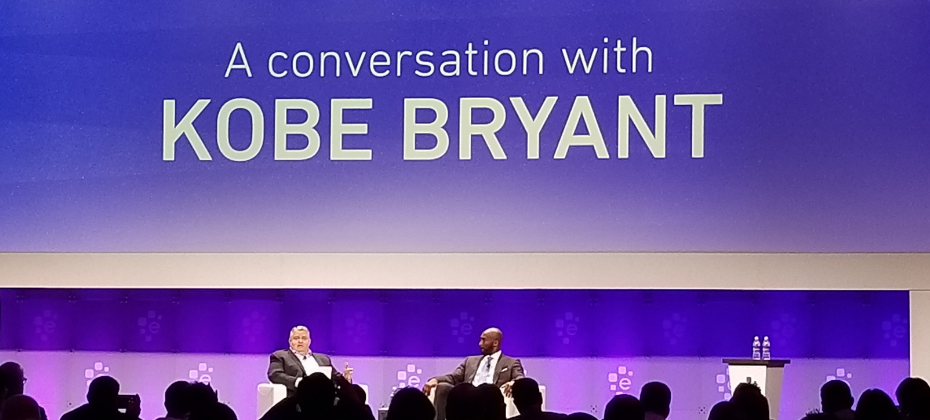
Day 2 of the annual conference covered topics ranging from alternative credit data and regulatory compliance to marketing analytics and fraud.

Credit access for the masses, machine learning and fraud are among the top 5 trending topics for the financial services industry in 2019.

Many consumers would give the right bank or retailer their data in exchange for personalized marketing offers in their inbox, social feeds and mailbox.

Many institutions take a “leap of faith” when it comes to developing prospecting strategies as it pertains to credit marketing. How can a data-driven approach help?

There are about as many definitions for people-based marketing as there are companies using the term. Each company seems to skew the definition to fit their particular service offering. The distinctions are vast, and especially for financial services companies running regulated campaigns, they can be incredibly important. At Experian, we define people-based marketing in its purest form: targeting at the individual level across channels. This is a practice we’re very familiar with in offline marketing, having honed arguably one of the most accurate views of U.S. consumers over the past three decades. And now we’re taking those tried and true principals and applying them to digital channels. It’s not as easy as it sounds. The challenge with people-based marketing With direct mail, people-based marketing was easy. Jane Doe lives at 123 Main St. If I want to reach her, I can simply send her a direct mail piece at that address. To help, I can utilize any number of services, including the National Change of Address database, to know where to reach her if she ever moves. People-based marketing through digital channels is exponentially more difficult. While direct mail has one signal with which you use to identify a consumer (the address), digital channels offer countless signals. And not all of those signals can be used, either individually or in conjunction with other signals, to reliably tie a consumer to a persistent offline ID. A prime example of this is cookies. The problem with cookies A cookie, in and of itself, isn’t the problem. The problem is the linkage. How was a cookie associated with the person to whom the ad is being served? As marketers, we need to make sure that we are reaching the right people with the right ad … and more importantly not reaching those people who have opted out. This is especially true in the world of regulated data, where you need to know who you are targeting. And cookie-based linkage is controlled by a handful of companies, many of which are walled gardens who don’t share how they link offline people to online cookies and don’t collect this information directly. They rely on other third-party websites to gather PII, and connect it to their cookies. In some cases, the data is very accurate (especially with transaction data). In some cases, it is not (think websites that collect PII when giving surveys, offering coupons, etc.). In short, in order for you to use cookie-based targeting accurately, you need to have insight into the source of the base linkage data that was used to connect the offline consumer record to the online cookie. This same concept applies to all forms of digital linkage that drive people-based marketing. Why does people-based marketing matter in digital credit marketing? With campaigns that utilize non-regulated data, such as “Invitation to Apply” campaigns that are driven from demographic and psychographic data, the consequences of not reaching the consumer you meant to target are negligible. But with campaigns that utilize regulated data, you must ensure you’re targeting the exact consumer you meant to reach. More importantly, you must make sure you’re not targeting an ad to a consumer who had previously opted out of receiving offers driven with regulated data (prescreen offers, for example). Even if you’ve already delivered a direct mail piece with the same offer, this doesn’t negate your responsibility to reach only approved consumers who have not opted out. --- Bottom line, the world of 1:1 marketing is growing more sophisticated, and that’s a good thing. Marketers just need to understand that while regulated data can be powerful, they must also take great responsibility when handling it. The data exists to deliver firm offers of credit to your very specific target in all-new mediums. People-based marketing has its place, and it can now be done in a compliant, digitally-savvy way – in the financial services space, nonetheless. Register for our webinar on Credit Marketing Strategies to Drive Today's Digital Consumer.

Direct mail is not dead, but it's 2017. Financial services companies need to acknowledge there might be other ways to deliver credit offers and capture consumer eyeballs. There are multiple screens competing for our attention, including one of the originals - TV. Advertising and TV have been married forever, but addressable TV allows marketers to target on a much more sophisticated level. Welcome to credit marketing in the digital age. To help financial services companies understand the addressable TV channel, Experian marketing expert Brienna Pinnow answered the following questions in a short interview. What is addressable TV? Addressable TV is an amazing 1-to-1 direct marketing capability. To put it simply, addressable TV is the ability for an advertiser to deliver a TV ad to a specific household. From a consumer perspective, that means even if you and your next door neighbor are watching the latest episode of The Voice, you may see an ad for a mini-van while your neighbor sees an ad for upcoming one-day sale from their favorite retailer. With addressable TV, brands can define their target audience based on 1st, 2nd or 3rd party data (like Experian’s). With the help of satellite and cable companies, they can deliver a personalized, measurable experience. This is an exciting departure from the way that TV advertising has been planned and targeted for nearly 70 years. Instead of focusing on the program, marketers can now focus on the person. Addressable TV makes reaching a precise audience – the same way you would with a direct mail piece or an email – a marketing reality. How long have marketers been leveraging addressable TV? Experian has been an pivotal player in the development of the addressable TV space. Since the first addressable TV trials back in 2004, nearly 13 years ago, Experian has provided the audience targeting data and privacy-compliant matching capabilities that make addressable TV possible. The past 3 years, however, have demonstrated unprecedented, hockey-stick growth in addressable TV. In 2016 alone, the volume of addressable campaigns doubled from the previous year accounting for nearly $300 million spend. That trajectory remains the same in 2017 and beyond. So why are we seeing this growth now? Here are a few reasons addressable TV is continuing to grow… Scale: Millions of households can now be targeted using addressable technology, and the footprint continues to grow with smart TVs and additional cable operators. Data: As organizations put data at the heart of their business, addressable TV enables them to infuse their most important customer information into the targeting. Education: Agencies, data providers, and TV providers have invested time educating brands on the process and power of addressable TV. And now, advertisers are becoming more experienced at making this a consistent part of their marketing plan. Accountability: You’ll be hard pressed to find a marketer that doesn’t have to demonstrate ROI on their marketing campaigns. The measurement capabilities that addressable TV provides adds a layer of accountability and insight that was not previously possible. Technology: Experian has developed an audience management platform, the Audience Engine, which makes addressable TV possible in a matter of clicks. In the past year alone, our platform has distributed over 1,800 audiences for addressable advertising campaigns. What types of companies have been utilizing addressable TV? Have you seen many financial services companies test this channel? The early adopters of addressable TV were primarily automotive advertisers. Compared to other verticals, auto advertisers still spend the largest proportion of their budgets across TV. For that reason, they know it’s a necessity to see if their dollars are actually driving sales for their big-ticket items. Addressable TV solves that problem for auto advertisers. In a DIRECTV campaign leveraging Experian’s automotive data for audience targeting and post-campaign sales reporting, one major auto OEM saw a 26.2% lift in sales for the advertised model compared to the control group. In the past few years, Experian has worked closely with advertisers across verticals – from retail to travel to finance – to launch addressable campaigns. Financial services clients particularly find Experian’s financial related segments, such as income or net worth, to be accurate and powerful in creating qualified target audiences that improve campaign performance. I’ve read that millennials are abandoning cable and TV providers in favor of services like Hulu and Netflix. Does this mean the market for addressable TV will shrink in the coming years? There is a segment of consumers who are abandoning traditional cable services. However, this doesn’t mean they are abandoning content. In fact, content consumption is at an all-time high with offerings from Roku, Hulu, Netflix, Sling TV, CBS, and beyond. All this shift in behavior means is that the definition of TV is becoming more fluid. “TV” doesn’t have to be a big screen sitting in your living room; it can be a laptop on a red-eye flight. And from a marketing perspective, the concept of addressable, 1-to-1 targeting is already moving into some of these products and services. The footprint of addressable TV will only continue to rise as consumers stay connected to the content they love. How can companies measure the success of utilizing addressable TV as a channel? Not only does addressable TV provide laser-targeted ad delivery, but it also opens up measurement capabilities that were never possible for TV advertisers in the past. Traditionally, TV audience measurement has focused simply on eyeballs and not revenue impact, with little insight into how TV advertising converts into sales. The primary source for audience measurement in the TV world has been program ratings and expensive brand studies. With addressable TV, that story is changing. With companies that collect second-by-second viewership data linked to households, marketers now have the ability to tie this data back to their online and offline sales. Experian is pivotal in making closed-loop TV reporting possible. As a data and matching safe-haven, we link together the viewing information from the target audience with the sales data provided by the advertiser. The end result is a privacy compliant report that clearly demonstrates the impact of the campaign on the target audience. Did the targeted audience visit a bank location? Email customer service? Sign up for a new account? Spend a certain amount? These are all questions our TV attribution reporting answers for clients. If a company wants to begin marketing in addressable TV, what is required in terms of set-up? Addressable TV may sound new, exciting or even complex. But it doesn’t have to be. Getting started is as simple as defining the target audience. Decide whether you would like to leverage your own CRM data, a custom model, third-party data or a combination of these data sources. If you’re still not sure where to start, ask yourself a very simple question, “Who am I sending a direct mail piece or email to in the next month?” There’s your audience. Better yet, you will be amplifying your message, reaching the customer with a consistent message and meeting them wherever they are. After you’ve determined who you want to target, a matching partner like Experian can work with you to show you the reach of your audience across TV providers. You’ll finalize your budget, creative and media plan while Experian distributes your audience to the selected media destinations. Before you know it, your campaign will be live, and reaching your target audience whether they’re watching Shark Tank or Sharknado. When the campaign wraps, you’ll be on your way to measuring results like never before. Are there any additional trends you see emerging in the addressable TV space? The future of addressable TV is related to both the targeting and measurement capabilities. More advertisers are working with Experian, for example, to launch coordinated campaigns. That doesn’t just mean launching a digital campaign and TV campaign at the same time. It really means targeting the same exact people for the digital and TV campaign. We like to consider this a "surround sound" approach where the customer or prospect experiences a consistent message across channels. As for measurement, Experian is working closely with advertisers to explore the power of mobile data. Recently, Experian partnered with Ninth Decimal and DIRECTV to incorporate mobile location data into the post-campaign measurement process for Toyota. The results proved a 19% lift in dealership visits for those exposed to the campaign. This is an exciting development because this approach can translate well for any other advertiser who wants to measure metrics like location visitation. If you’d like to learn more, check out our Addressable TV whitepaper.

As lenders seek to enhance their credit marketing strategies this year, they are increasingly questioning how to split their budgets between digital, direct mail and beyond. What is the ideal media mix to reach consumers in 2017? And is the solution different in the financial services space? Scott Gordon, Experian's senior director of digital credit marketing, recently tackled some of the tough questions financial services marketers are posing. Here are his responses: Q: We live in a world where consumers are receiving hundreds of messages and offers on a daily basis. How can financial services companies stand out and capture the attention of the customers they wish to engage with relevant offers? A: When it comes to the optimal marketing media mix, there is no “silver bullet.” It varies from product to product. The current post-campaign analysis is showing us that consumers react positively to coordinated multi-channel messaging. We’ve seen studies showing that marketers can see up to a 30% lift in sales by combining email with social media, for example. This makes sense, when you look at how consumers engage through devices. We are no longer a single channel culture; we check Facebook while watching TV, listen to podcasts while checking our email, etc. Consequently, marketers have had to adapt their campaign strategies accordingly – and this starts with the organizational structure. Far too often we see silo’ed groups responsible for disparate media verticals. For example, a company may have a direct mail group and a digital marketing team, and then (in extreme cases) outsource television to one agency group and social media to another. Aligning these groups and breaking down the barriers between the groups is a critical first step toward building a true multi-channel campaign strategy. This includes addressing budget concerns that are inherent with a culture where the size of a budget is tied to job security and corporate status. Aligning campaigns and finding the perfect cross channel market mix is much easier once you’ve broken down internal barriers and encouraged marketing collaboration. Q: What are some of the new best practices financial companies must embrace in 2017 in order to improve their marketing efforts? A: Thanks to tremendous efforts from industry leaders, we can now utilize regulated data with the same proficiency that they’ve been executing campaigns using non-regulated data. This presents unique challenges, as the industry races to get up-to-speed on new capabilities, take best-in-breed practices and apply them to the world of regulated campaigns. We’re seeing tremendous demand to combine programmatic advertising with people-based advertising, with cross-channel campaigns spanning mobile, video, social, and addressable TV. Measurement and analytics must play a large part in these strategies. While the industry hasn’t achieved true cross-channel measurement to identify a consumer’s path to purchase across multiple devices, it’s getting closer, thanks to technology advances. Q: Is direct mail dead? How should financial marketers be using direct mail in 2017? How can it best be combined with digital? A: Direct mail is certainly not dead. It has its place among a media mix that continues to grow as new advertising technologies come to market and are adopted by consumers. Will direct mail’s influence diminish in the future? Possibly. At Experian, we are focused on making sure that our advertisers can reach consumers where they spend time, when they are most receptive to receiving messages, and most importantly in a cost-effective manner. So no matter where consumers shift their focus in the future, we’ll be able to support comprehensive targeted advertising campaigns. How can digital be best combined with direct mail? We’ve seen encouraging results in retargeting direct mail with digital credit marketing like email and display. With that said, we haven’t seen a silver bullet solution, and we’re still advising our clients to put a heavy focus toward “test and learn” in concert with comprehensive campaign measurement and analytics protocols. Q: What are the advantages to serving up a firm offer of credit to a consumer in a digital format? Are consumers ready to embrace this type of delivery in the financial services space? A: The advantages of serving up a firm offer of credit to a consumer in a digital format are similar to those benefits for “traditional” digital marketing. Lower cost, more measurement capabilities, and greater flexibility to optimize campaigns are just some of the benefits. Early indications show that consumers are very receptive to digital credit marketing offers. It provides them with offers in the channels in which they spend time, in a consumer friendly manner which offers them numerous paths in which they can have a voice in the messages that they receive. Q: Some say digital credit marketing should largely be directed to Millennials? Do you think other generations are ready to embrace this type of digital messaging? A: We don’t view digital credit marketing as an exclusive offering just for Millennials. It is a holistic consumer offering – applicable to all generations as our parents and grandparents make the move to new channels such as addressable TV and social media. Need more info on Digital Credit Marketing? Learn More