Uncategorized

Shri Santhanam, Executive VP and GM of Experian's Global Analytics and Artificial Intelligence talks advanced analytics and AI in lending in recent podcast.
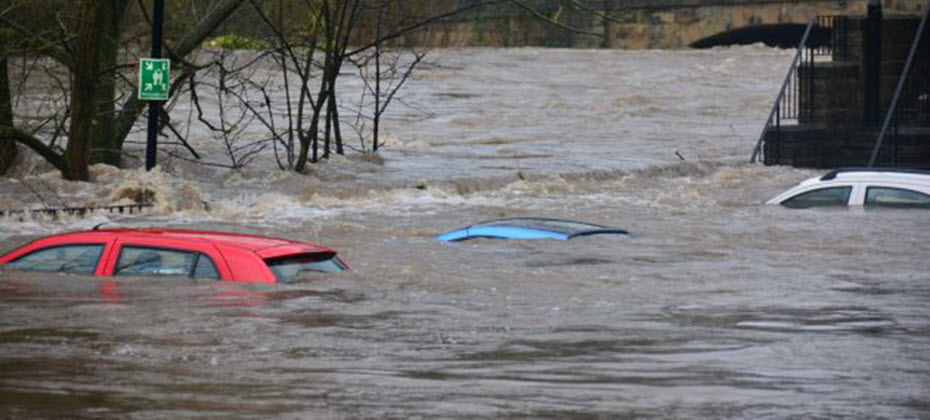
The AutoCheck FREE Flood Risk Check site has been updated with Hurricane Ida information New cars have been in short supply due to the worldwide microchip shortage, so consumers quickly turned their attention to used cars. Unfortunately, dealers continue to struggle with obtaining enough used car inventory to meet demand. To add to an already challenging year, Hurricane Ida hit the gulf coast in August resulting in an estimated 250,000 cars sustaining flood damage. It’s more important than ever that dealers be careful about obtaining pre-owned cars that could potentially have flood damage. The best way to mitigate the risk of purchasing a flood damaged vehicle is to start by running an AutoCheck Free Flood Risk Check. Visitors simply enter any vehicle's 17-digit VIN and the tool will check for flood brands and provide information if the vehicle was registered in a region impacted by a FEMA disaster declaration. Two levels of reporting available The first level of reporting determines whether the vehicle has been titled/registered 12 months prior in a county that has been identified as requiring public and individual assistance (FEMA categories A and B) for a FEMA-declared major disaster. This would yield a “Yes” result. For instance, you would get a “Yes” result if the vehicle was registered in an impacted area during the time of a FEMA-declared major disaster like Hurricane Ida. The “Yes” result should not be interpreted as confirmation of flood damage or even possible flood damage. The data is provided merely as information regarding the location of the vehicle’s registration/title history so users can be aware of risk exposure. For example, the Hurricane Ida region had thousands of damaged cars, but some cars in the region may not have been damaged by the hurricane — the owner could have driven the car when they evacuated, or a child or other family member may have been out of town with the car when the hurricane hit. The second level of reporting is based on search results from Experian data such as flood title and problem records, including flood State title brands, auction flood announcements, salvage auction flood designations, and other vehicle records determined by Experian to relate to or suggest an increased likelihood of flood damage or risk exposure. It takes time for claims and updates to vehicle title information to appear on a vehicle’s history and although the DMV requires that title brands be issued for vehicles damaged by floods, not every vehicle flood event is reported by car owners. Unreported flood events may not appear on an AutoCheck Flood Risk Check or AutoCheck Vehicle History Report. Although Experian provides flood related records from available data sources, we cannot provide assurance that an AutoCheck Flood Risk Check that does not produce any records means that the subject vehicle has not experienced flood damage. That’s why it’s important to review a full AutoCheck Vehicle History Report, which—in addition to potential flood damage—includes reported accidents, branded titles, recalls, number of owners and more. Once you run the full Vehicle History Report we recommend an independent evaluation and inspection of the vehicle to determine and confirm a vehicle’s condition prior to purchase. Try the AutoCheck Flood Risk Check today to help mitigate the risk of purchasing flood damaged vehicles. Not an AutoCheck subscriber? Contact us to become an AutoCheck client.

Experian has made the IDC 2021 Fintech Rankings Top 100, highlighting the best global providers of financial technology. Read more!

Incorporating artificial intelligence and machine learning into your business strategy can improve decisioning and reduce risk. Read more.

New technologies like artificial intelligence and advanced analytics are changing the prescreen landscape for financial institutions as never before.

Experian can help businesses overcome the barriers on the path to a seamless and digital verification process for mortgage lending.

To grow in today’s economic climate and beat the competition, financial institutions need to update their acquisition and cross-sell strategies.

It’s critical for credit unions to understand the specific threats presented by life online and be prepared with a fraud detection and prevention plan

Preventing fraud losses requires an understanding of the individual fraud types, how they differ from one another, and how this impacts potential solutions.

Utilities Q&A Perspective Series: Maintaining Quality Contact Data Throughout the Customer Lifecycle
UncategorizedBy ensuring your organization’s data quality, you can allocate resources more effectively, minimize costs and safely serve your customers. Read more!

Experian created the 2021 Future of Fraud Forecast to help businesses anticipate new types of fraud and prepare and protect consumers on the road ahead.

It’s important to understand the costs and financial benefits associated with a Defense in Depth strategy before implementation.

The mortgage and real estate industries have been uniquely affected by COVID-19. Here's 3 components missing from a truly modernized mortgage experience.
Download our report to learn why alternative credit data is supplemental and essential to consumer lending and how it’s being used by consumers and FI's.

Listen to our podcast for insight into the importance of having a different perspective when tracking the national economy.