Marketing & Acquisition

It’s not enough to just dig into the sales number of electric vehicles — It’s important to understand the consumers most interested.
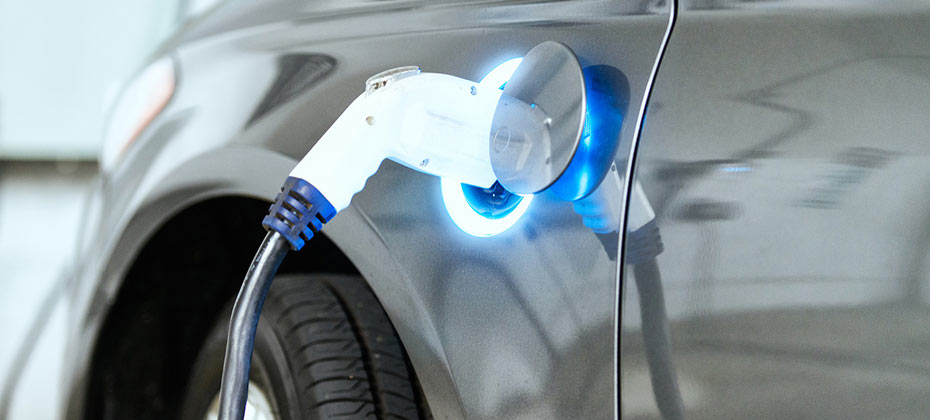
Electric vehicles are here to stay – and will likely gain market share as costs reduce, travel ranges increase and charging infrastructure grows.

Dynamic pricing models for consumer financial products can be especially difficult for at least four reasons.

With Hispanic Heritage Awareness Month underway and the topic of growing membership a constant priority, here are some tips from a credit union CEO.

Even with the Fed’s gradual 2018 rate hikes, consumers are shopping. Usage of credit cards is on the rise in 2018 and only expected to grow.

Trivia question: Millennials don’t purchase new vehicles. True or False?

The first full day of Vision 2018 featured in-depth talks on alternative credit data, enhanced credit marketing, faster decisioning, fraud and identity protections and the latest in tech innovation.

Recent research shows Hispanics—especially Millennials who are entering their home-buying years—are particularly eager for homeownership.

A thoughtful segmentation analysis contains two phases: generation of potential segments, and the evaluation of those segments.

A robust segmentation analysis contains two components: first is generation of potential segments, and the second is generation of potential segments.

Experian introduces new trended attributes to help lenders better serve consumers across the credit life cycle

In the world of marketing, this can happen to all of us. We think we know how much ad spend we should put towards a PPC campaign or what time a TV ad should air. In this digital realm, dealers are given a lot of data when a campaign finishes. Technology has pushed our boundaries so now, someone looking at a video of a specific automobile on a social media platform like YouTube can be targeted to receive video advertisements for your dealership. With that said, how do you know if you are targeting the right people? When it comes to your campaigns, you want to know your money is going towards the right forms of advertisements as well as the right demographics. If a campaign is doing well, extending out that campaign can be a better decision compared to letting it end. On the other side, if a campaign is doing poorly, pausing or evening stopping the campaign can be more beneficial in the future. The big questions you must ask yourself are: Am I targeting the wrong people? There can be a few reasons why you may be targeting the wrong people. First, the type of campaign can be incorrect. Social media is the newest and hottest form of marketing, but that may not work with your audience. Second, your demographics may be off. Without knowing the key demographics that you are targeting, you could be blindly targeting customers not interested in your vehicles or not in the market. The opposite could be said for that as well. You may be leaving out potential customers in key geological areas around your dealership. Because of this, you could be losing sales. Targeting doesn’t just stop with humans. You must think about your location and what you have in your inventory. If you are in a state like Colorado, you will want to allocate more SUVs and vehicles that have all-wheel-drive. By advertising rear-wheel-drive or sports cars to individuals that exclusively drive SUVs or only research SUVs, that can be a loss of advertising dollars. What can I do about it? A revamped marketing campaign is a good start for a strategy, but it may not be enough. Targeting can be a difficult endeavor, but thankfully there are programs and companies that can help. Experian Automotive’s Dealer Positioning System® can target key ZIP Code™ and display which campaigns are working - as well as which should be cut. Thanks to this type of data-driven targeting, market share and sales can increase even while advertising spend decreases. Another great aspect of using a system like Experian DPS is the ability to create campaigns to target vehicles your customers want. Like the example above of what not to do, you can formulate a plan of attack to focus on SUVs and light-duty trucks in a mountainous area. Conquesting intelligently not only means more people coming through your door but more allocations for vehicles your customers will want. Marketing is important. Whatever kind of advertising you do, remember that building your dealership is important. Having a solid game plan to conquest around you relies on smart targeting and the correct forms of advertising. Experian DPS can help boost market share and increase sales core models which is very helpful. To learn more about how Experian Automotive can assist with your targeting, click here.

In helping lenders with new product launches, there are common areas of focus and specific steps to move from initial business case to tactical planning.

At their heart, car dealers have always been marketers. It's part of learning the trade and understanding the business to gain natural insight into modern marketing and advertising practices. One could even argue that the experience gained through knowledge passed down, trial and error, and exposure to the automotive game itself can yield better strategies than a marketing degree. With all that said, it's still important to have the right data to guide the decisions as well as the tools necessary to decipher the data. Although we have a vast amount of information at our fingertips, it's very possible to truly build on "actionable data" and allow it to define the parameters for a dealership's marketing strategy. One of the most important things to consider when you're building and enhancing your strategies is that the data allows for decision making on the macro and micro levels. We see trend reports, analytics, and test cases that can influence decisions on both sides of the spectrum. Making decisions on the macro level means wholesale changes or additions. For example, the overall effectiveness of a particular classified advertising website can be broken down to determine whether or not it's making the right type of impact. Dealers have so many options today to advertise both online and offline, so making sure that any particular venue is effective is key to success. On the micro level, decisions can be made about how to position the dealership within the individual venues. You may be a big believer in search pay-per-click advertising, for example, and data can help to guide you or your vendor partners to position the dealership properly on search. Knowing which messages about individual cars are effective can be a guide. Then, understanding what zip codes have the highest opportunity level for the individual model can mold your PPC spend, while demographic data can drive effective messaging and help you optimize campaign creative and landing pages. Having access to the data is only the first step. Looking at the data appropriately is an important second step that many dealers are missing. Putting it all together into a decision-driving model is the step that almost every dealer should embrace to allow them to make the best decisions, macro or micro.

Many consumers would give the right bank or retailer their data in exchange for personalized marketing offers in their inbox, social feeds and mailbox.