Effectively reach and connect with voters

by Guest Contributor 1 min read September 3, 2014

By: Maria Moynihan

At a time when people are accessing information when, where and how they want to, why aren’t voter rolls more up to date?

Too often, voter lists aren’t scrubbed for use in mailing, and information included is inaccurate at the time of outreach. Though addresses and other contact information becomes outdated, new address identification and verification has not typically been a resource focus.  Costs associated with mandated election-related communications between government and citizens can add up, especially if messages never get to their intended recipients and, in turn, Registrar Offices never get a response.

To date, the most common pitfalls with poorly maintained lists have been:

  • Deceased records — where contact information for deceased voters has not been removed or flagged for mailing
  • Email and address errors — where those who have moved or recently changed information failed to update their records, or where errors in the information on file make it unlikely for the United States Postal Service® to reach individuals effectively
  • Duplicate records — where repeat records exist due to update errors or lack of information standardization

With resources being tighter than ever, Registrar Offices now are placing emphasis on mailing accuracy and reach. Through third-party-verified data and advanced approaches to managing contact information, Registrar Offices can benefit from truly connecting with their citizens while saving on communication outreach efforts.

Experian Public Sector recently helped the Orange County Registrar of Voters increase the quality of its voter registration process. Click here to view the write-up, or stay tuned as I share more on progress being made in this area across states.

Related Posts

What Is a Third-Party Breach? How to Prepare for and Respond to Vendor Incidents

Learn what a third-party breach is and steps to prepare, contain risk, and support affected customers. Read more!

November 9, 2026 by Laura Burrows
Mortgage Underwriting Moves from Modernization Talk to Action 

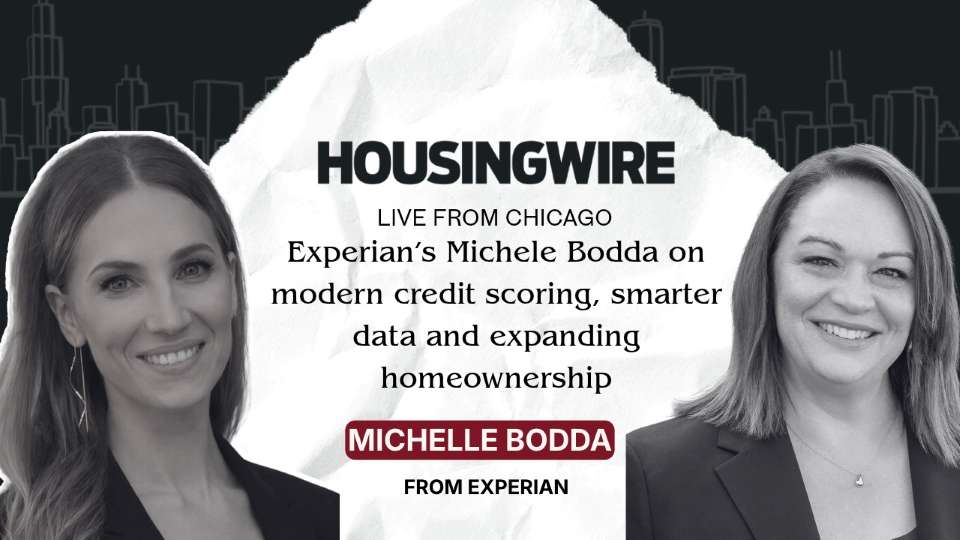
Mortgage underwriting is entering a new phase. In a recent conversation with HousingWire’s Allison LaForgia, Michele Bodda, Group President of Experian Housing, Verification Solutions, and Employer Services, discussed how modern credit scores, alternative data and verification tools are changing how lenders evaluate borrowers.  Lenders can now judge modernization by its results, Bodda said. “Now we’re actually letting more modern scores get into underwriting to help price loans and go all the way through to securitization,” she told HousingWire. “We’re letting the scores and the data actually speak for itself instead of just talking about it.”  The Right Data at the Right Time  Modernizing underwriting means providing useful information at the right stage, rather than giving lenders everything at once. “You don’t need everything all at once. You don’t need everything on initial pull,” Bodda said.  Alternative data, such as rental payments and buy now, pay later activity, can help show how consumers manage obligations, especially those with thinner credit files. A thin credit file does not necessarily mean someone has a thin financial life.  “It’s our responsibility as one of the primary data providers to make sure we can make all of that available, so that we’re best representing the consumer,” Bodda said. A fuller view of data may help lenders identify creditworthy applicants who might otherwise be difficult to assess.  Simplifying Verification and Reducing Friction  Bodda also shared how Experian is making credit information more easily accessible and reducing unnecessary costs during the originations process, explaining that new enhancements to Experian’s Power Profile Plus allow lenders to pull credit data at the start of underwriting and request another score later without repurchasing the data.  “You can pull it later and not pay for the credit data again,” Bodda said.   Experian is also investing in income and employment verification, including through a new partnership with Workday. Bodda explained that Experian will continue to focus on process improvement, competition and innovation across the mortgage ecosystem.  A Broader Path to Homeownership  As consumer expectations and underwriting capabilities evolve, borrowers want a process that reflects their financial lives, while lenders seek greater efficiency. Modern scores, relevant data, and streamlined verification can help lenders assess applications with more context—and may help more people pursue homeownership.  “If we as an industry can open this up and bring more people into the process, then we’re going to thrive,” Bodda said in the interview.   Watch the interview and hear all of Michele’s insights, and more here.  

November 6, 2026 by Caroline Basile
How to Deliver Data-Driven Customer Experiences

A data-driven credit customer experience offers personalization and low friction — it's a win-win for consumers and businesses.

November 5, 2026 by Zohreen Ismail

Subscribe to our Newsletter

Enter your name and email for the latest updates.

This site is protected by reCAPTCHA and the Google Privacy Policy and Terms of Service apply.

Subscribe to our Newsletter

Don't miss out on the latest industry trends and insights!
Subscribe