Tag: Data Breach
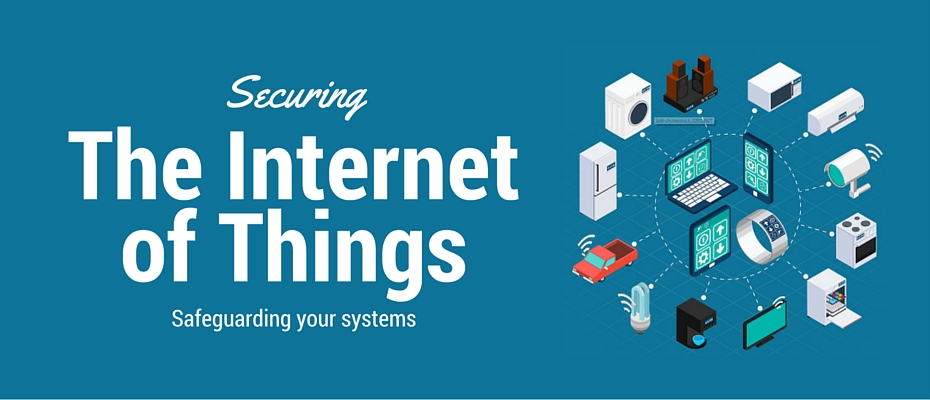
Securing systems from the Internet of Things - Credit Cornerstone

Employee-related security risks are the top concern for security professionals, according to our recent study.

Experian has acquired CSIdentity Corporation (CSID), a leading provider of consumer identity management and fraud detection services.

Whether you’re a small business owner or a global corporation, the cost of being without cyber insurance after an incident can be extreme.

Businesses must be vigilant and apply comprehensive, data-driven customer intelligence to thwart breaches and the malicious use of breached information.

Surveillance and fraud staging are the seemingly benign and often-transparent account activities that fraudsters undertake after an account has been compromised but before that compromise has been detected or money is moved.
The experience of being a victim of data breaches has created a shift in consumer behavior and attitude over the past year. A recent Ponemon Institute study found that more than one-third of consumers ignored data breach notification letters, taking no action to protect themselves against fraud. To combat data breach fatigue, companies should communicate with customers sincerely and avoid treating the notification process as a compliance issue. Notification letters should include an apology, a clear explanation of what happened and why, and steps consumers can take to protect themselves from fraud. 2015 Data Breach Industry Forecast
The news of the latest breach last week reported that tens of millions of customer and employee records were stolen by a sophisticated hacker incursion. The data lost is reported to include names, birth dates, Social Security numbers, and addresses. The nature of the stolen data has the potential to create long-term headaches for the organization and tens of millions of individuals. Unlike a retailer or financial breach, where stolen payment cards can be deactivated and new ones issued, the theft of permanent identity information is, well, not easily corrected. You can’t simply reissue Social Security numbers, birth dates, names and addresses. What’s more, the data likely includes identity data on millions of dependent minors, who are prime targets for identity thieves and whose credit goes frequently unmonitored. According to the Identity Theft Resource Center’s 2014 Data Breach Report, a record 783 breaches, representing 85 million records, occurred from January through September 2014 alone. The breaches have ranged across virtually every industry segment and data type. So where does all this breached data go? It goes into the massive, global underground marketplace for stolen data, where it’s bought and sold, and then used by cybercriminals and fraudsters to defraud organizations and individuals. Like any market, supply and demand determines price, and the massive quantity of recent breaches has made stolen identities more affordable to more fraudsters, exacerbating the overall problem. In fact, stolen health credentials can go for $10 each, about 10 or 20 times the value of a U.S. credit card number, according to Don Jackson, director of threat intelligence at PhishLabs, a cyber crime protection company. The big question: So what now? The answer: Assume that all data has been breached, and act accordingly. Such a statement sounds a bit trivial, but it’s a significant paradigm shift. It’s a clear-headed recognition of the implications of the ongoing, escalating covert war between cybercriminals and fraudsters, on one side, and organizations and consumers on the other. For individuals, we need to internalize this fact: our data has likely been breached, and we need to become vigilant and defend ourselves. Sign up for a credit monitoring service that covers all three credit bureaus to be alerted if your data or ID is being used in ways that indicate fraud. Include your children, as well. A child’s identity is far more valuable to a fraudster as they know it can be several years before their stolen identity is detected. Many parents do not check their child’s credit regularly, if at all. For organizations, it’s a war on two fronts: data protection and fraud prevention. And the stakes are huge, bigger than many of us recognize. We’re not just fighting to prevent financial theft, we’re fighting to preserve trust — trust between organizations and consumers, at the first level, and ultimately widespread consumer trust in the institutions of finance, commerce, and government. We must collectively strive to win the war on data protection, no doubt, and prevent future data breaches. But what breaches illustrate is that, when fundamental identity data is breached, a terrible burden is placed on the second line of defense — fraud prevention. Simply put, organizations must continually evolve their fraud prevention control and skills, and minimize the damage caused by stolen identity data. And we must do it in ways that reinforce the trust between consumers and organizations, enhance the customer experience, and frustrate the criminals. At 41st Parameter, we are at the front lines of fraud prevention every day, and what we see are risks throughout the ecosystem. Account opening is a particular vulnerability, as consumer identity data obtained in the underground will undoubtedly be used to open lines of credit, submit fraudulent tax returns, etc. unbeknownst to the consumer. Since so much data has been breached, many of these new accounts will look “clean,” presenting a major challenge for traditional identity-based fraud and compliance solutions. But it’s more than new accounts — account takeover, transactions, loyalty, every stage is in jeopardy now that so much identity data is on the loose. Even the call center is vulnerable, as the very basis for caller authentication often relies on components of identity. At 41st Parameter and Experian Fraud & Identity solutions, we advocate a comprehensive layered approach that leverages multiple solutions such as FraudNet, Precise ID, KIQ, and credit data to protect all aspects of the customer journey while ensuring a seamless, positive user experience across channels and lines of business. Read our fraud perspective paper to learn more. Now is the time to take action. http://www.reuters.com/article/2014/09/24/us-cybersecurity-hospitals-idUSKCN0HJ21I20140924

Our second annual data breach preparedness study reveals good news and bad news for businesses concerned with data security.
As data breaches continue to attract publicity, consumers are expecting more from impacted organizations.
A recent study conducted by the Ponemon Institute found that a data breach is among the top three occurrences that affect brand reputation, along with poor customer service and an environmental incident.

Companies need to send strong, informative and compassionate data breach notification letters as part of the company’s data breach response.

A breach notification letter is important for firms to let consumers know that their information may have been compromised.
By: Maria Moynihan In less than a year, my information has been compromised twice by a data breach. The companies involved varied significantly by way of size and type, yet both reacted expeditiously to inform me of the incident. As much as I appreciated the quick response and notification, I couldn’t help but wonder how well prepared we all are to handle these types of incidents within our own organizations. I recently read somewhere that data breaches are to be expected – like death and taxes. Can this be true? A recent Ponemon Institute Study, 2013 Cost of a Data Breach, highlighted alarming statistics around the typical impact a breach has on an organization. With costs amounting to approximately $5.4M and impact to brands ranging anywhere from $184M to $330M in losses, organizations cannot afford to pass breaches off as inevitable. Organizations must tighten their security standards, understand the evolving data breach environment and ensure their response plans are continuously enhanced to address emerging issues. To better understand what may lie ahead, Experian has developed six key predictions for how concerns about data breaches will evolve: 1. Data breach cost will be down – but still impactful The cost per record of a data breach will continue to decline, however security incidents and other breaches may still cause significant business disruption if not properly managed. 2. Will the Cloud and Big Data = Big International Breaches? With the rise of the cloud, data is now moving seamlessly across borders making the potential for complex, international breaches more possible. 3. Healthcare Breaches: Opening the Floodgates With the addition of the Healthcare Insurance Exchanges, millions of individuals will be introduced into the healthcare system and as a result, will increase the vulnerability of the already susceptible healthcare industry. 4. A Surge in Adoption of Cyber Insurance Many companies will look beyond investing in technology to protect against attacks and towards the insurance market to manage financial ramifications of breaches. 5. Breach Fatigue – Rise in Consumer Fraud? As the number of reported breaches in the media increases and the frequency of notifications that consumers receive grow, they may become apathetic towards the subject, thereby exposing themselves to greater risk. 6. Beyond the Regulatory Check Box State regulators and law enforcement will turn a new leaf this year, devoting significant attention to helping organizations better manage breaches. What is your organization doing to improve its data breach preparedness plan? Check out our 2014 Data Breach Industry Forecast and guide to handling data breach response. Check out other related content on data breach resolution.
The growing cost and number of data breaches has spurred more interest in cyber insurance. While companies often increase investments in technology and training programs to reduce the likelihood of a breach, a recent Ponemon Institute survey of risk-management professionals found that 31 percent of companies surveyed have cyber insurance and 39 percent plan to purchase cyber insurance in the future. Learn how to outline your response plan with our data breach response guide. Source: Managing Cyber Security as a Business Risk: Cyber Insurance in the Digital Age