Tag: auto finance

As vehicle prices and interest rates continue to evolve, both consumers and lenders are recalibrating their approaches to affordability and long-term sustainability. This shift has resulted in the subprime segment growing to its largest share of total finance market for subprime in the fourth quarter since 2021. According to Experian’s State of the Automotive Finance Market Report: Q4 2025, subprime borrowers accounted for 15.31% of total vehicle financing, an increase from 14.54% in Q4 2024. To understand why the subprime space is evolving, we took a deeper dive into the affordability picture and how changes in pricing and interest rates are influencing both consumer decisions and lender strategies. In Q4 2025, the average loan amount for a new vehicle increased $1,882 from the prior year to $43,582, and the average interest rate for a new vehicle went from 6.34% last year to 6.37% this quarter. As a result, the average monthly payment increased from $746 to $767 in the same time frame. On the used side, the average loan amount increased $872 year-over-year, reaching $27,528 in Q4 2025. However, despite the average interest rate declining from 11.63% to 11.26% during the same time, the average monthly payment grew $9 from last year to $537 this quarter. These changes are prompting thoughtful adjustments across the automotive ecosystem. Consumers are comparing financing options more carefully and adjusting loan terms when necessary to prioritize the cost of ownership. Lenders are also focusing more on payment flexibility and how long-term borrowers are performing as they leverage it for central pillars of strategies to stay ahead of the ever-evolving market. To learn more about automotive finance trends, view the full State of the Automotive Finance Market Report: Q4 2025 presentation on demand.
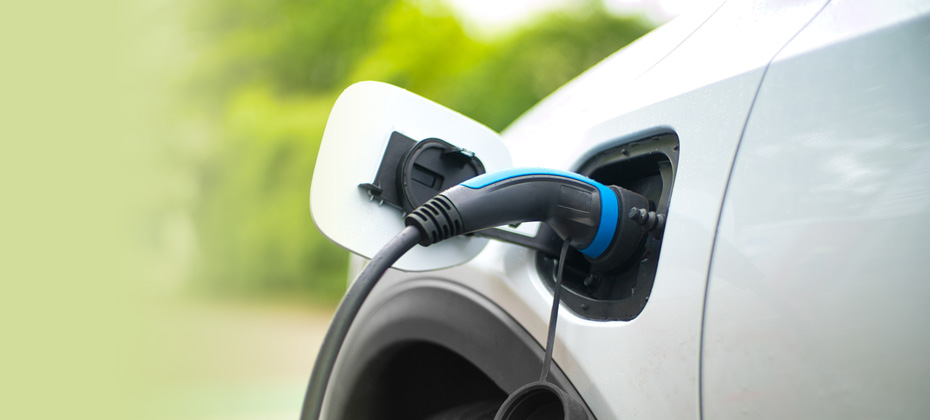
To help the industry better understand the widespread growth, ahead of the show we compiled an Auto Finance Year-in-Review report to break down all things EV—from financing trends to vehicle segments and more.

According to Experian’s State of Automotive Finance Market: Q3 2021 report, leasing comprised 24.03% of new vehicle financing in Q3 2021.

Expanded FCRA regulated data can help lenders extend more credit, and ensure consumers have access to affordable credit when they need it.

Trends can vary based on location. In the Q1 2021 State of the Automotive Finance Market report, we took a look at market share nationally and regionally.

Consumers are taking advantage of new car incentives, low interest rates and longer-term loans in order to ensure that their vehicle purchase is manageable.

As subprime originations decrease, some think that subprime consumers are being locked out of the automotive finance market, but that’s not the whole story.

Origination data from April and May provide some insight into the more immediate effects of the pandemic on the automotive industry.

The automotive industry is in the midst of weathering an unexpected storm due to COVID-19. Here's what the Q1 2020 delinquency rates tell us. Read more.

If there is one word to describe the automotive finance market in Q4 2019, it’s stable. By nearly every measure, the automotive finance market continued to move along at a good pace.

The average new vehicle loan hit $32,119 in Q2 2019. Average used vehicle loan amounts reached $20,156 in Q2 2019.

Experian Boost gives consumers greater control over their credit profiles by allowing them to add non-traditional credit information to their Experian credit file.

Findings from the Q3 State of the Automotive Finance report show that Subprime originations hit the lowest overall share of the market seen in 11 years.

With steady sales growth the past several years, the auto industry has had a great run since the trough of the Great Recession in 2009. Based on the latest data published in the State of the Automotive Finance Market report, the auto industry’s robust sales totaled more than 17 million vehicles in 2016, pushing the total open auto loan balances to a record high of $1.072 trillion, up from $987 billion in Q4 2015. Despite the current boom, new vehicle affordability is becoming more challenging. The average monthly payment for a new vehicle loan jumped from $493 in Q4 2015 to $506 in Q4 2016, while the average new vehicle loan reached an all-time high in Q4 2016, at $30,621. In addition, the chasm between new vehicle loan and used vehicle loan average amounts is wider than ever at $11,292. This trend appears to be pushing more credit-worthy customers into the used vehicle market. In Q4 2016, the percentage of used vehicle loans going to prime and super prime customers was up from 45.49 percent in Q4 2015 to 47.76 percent in Q4 2016. In addition, the average credit score for used vehicle loans is up from 649 in Q4 2015 to 654 in Q4 2016. Consumers also appear to be combating the vehicle affordability issue by shifting into leases or longer-term loans to keep their monthly payments low. Leasing was up from 28.87 percent of all new vehicle financing in Q4 2015 to 28.94 percent in Q4 2016. Loan terms of 73 to 84 months now account for 32.1 percent of all new vehicle loans, up from 29 percent in Q4 2015. Keeping payments manageable will help keep people out of delinquencies, which is good for consumers and their lenders. Data shows that 30-day delinquencies were relatively flat, moving from 2.42 percent in Q4 2015 to 2.44 percent in Q4 2016, while 60-day delinquencies are growing, moving from 0.71 percent to 0.78 percent. It seems that as long as new vehicle costs rise, it is likely that more people will move toward leasing, longer term loans and used vehicles. While none of these trends are inherently bad, they could re-shape dealer strategy moving forward. Many analysts predict flat new vehicle sales in 2017, making used vehicle, F&I and service business more important to overall dealership growth this year.