Latest Posts
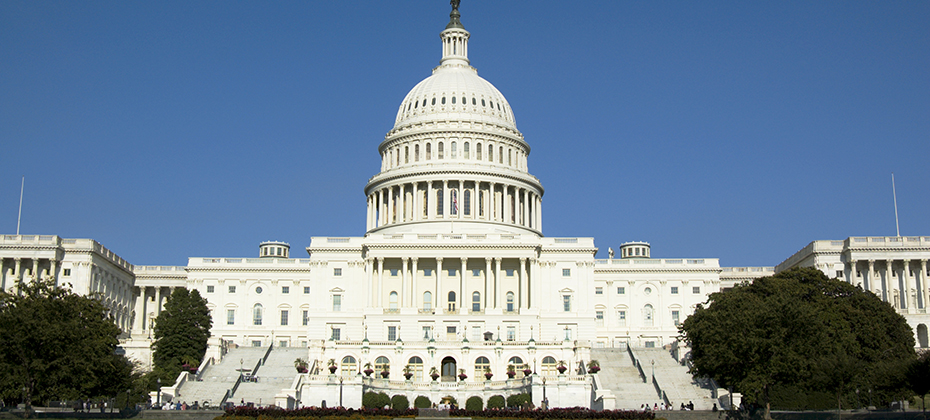
Congress recently took several actions signaling a growing interest in regulatory issues surrounding the Fintech sector. This growing attention follows a number of recent inquiries by federal and state regulators into the business practices in the industry. Subcommittee takes a deep dive into Fintech and OML regulatory landscape In July, the House Subcommittee on Financial Institutions and Consumer Credit held a hearing entitled Examining the Opportunities and Challenges with Financial Technology (“Fintech”). Witnesses and lawmakers voiced optimism that online marketplace lending can help to expand access to capital for consumers and small businesses, but the hearing also focused on a growing schism as to whether new regulations or changes to the underlying framework is necessary to ensure consumers are protected. Some lawmakers and the witness from the American Banking Association expressed concerns that the Fintech and marketplace lenders may benefit from being outside of the supervisory scope of prudential regulators and the Consumer Financial Protection Bureau (CFPB). Witnesses from the marketplace lending industry argued that they are obligated to meet all of the same regulatory compliance requirements as traditional lenders. Rep. McHenry introduces package of Fintech bills aimed at spurring innovation In addition, Congressman Patrick McHenry (R-NC), a member of the House Republican Leadership team and the Vice Chairman of the House Financial Services Committee, introduced two bills this month aimed at spurring innovation in the Fintech industry. H.R. 5724, the Protecting Consumers’ Access to Credit Act of 2016, would clarify that federal law preempts a loan’s interest rate as valid when made. The bill is in response to the Supreme Court’s recent decision not to hear Madden v Midland, a case in which the Second Circuit court ruled that the National Bank Act does not have a preemptive effect after the national bank has sold or otherwise assigned the loan to another party. The reading of this law has created uncertainty for Fintech companies and the banks that partner with them. H.R. 5725, the IRS Data Verification Modernization Act of 2016, requires the IRS to automate the Income Verification Express Service process by creating an Application Programming Interface (API). The legislation is aimed at speeding up and improving the automation of the loan application process. In particular, it is aimed at streamlining the process by which lenders gain access to tax transcript data. Currently, lenders may require applicants to fill out IRS form “4506-T,” which gives the lender the right to access a summarized version of their tax transcript as part of the process to confirm certain data points on their application. According to industry reports, this manual process at the IRS takes two to eight days, creating unnecessary delays for Fintech companies and banks that rely on leveraging data and technology to make faster, informed decision for consumer and small business lending Both bills have been referred to the House Financial Services Committee for review.

Experian publishes five global business trends that will help senior executives protect their growth ambitions against rising fraud threats
Apply FSD TagFirst annual global fraud report covering the convergence of growth strategies and fraud threats and prevention.

Recent survey by Experian revealed opportunities for businesses to build relationships with future homebuyers before they’re ready to obtain a loan.

All customers are not created equal - at least when it comes to ability to pay. So what are the natural moments for a lender to assess?
Many fraud and compliance teams are struggling to keep pace with new business dynamics.

Financial health open doors for people, creating opportunities for credit, cars, homes and stability. So how can you get "healthy?"

In an attempt to stay ahead of the speed of fraud, systems have become more complex, more expensive and even more difficult to manage.

Securing systems from the Internet of Things - Credit Cornerstone

While organizations increasingly rely on data to make decisions, when it comes to data accuracy, too many wait to correct errors rather than implement proactive solutions.

College grads ill-prepared to manage credit

Experian®, today announced that it has been included in Forrester’s 2016 “Vendor Landscape: Mobile Fraud Management Solutions” report
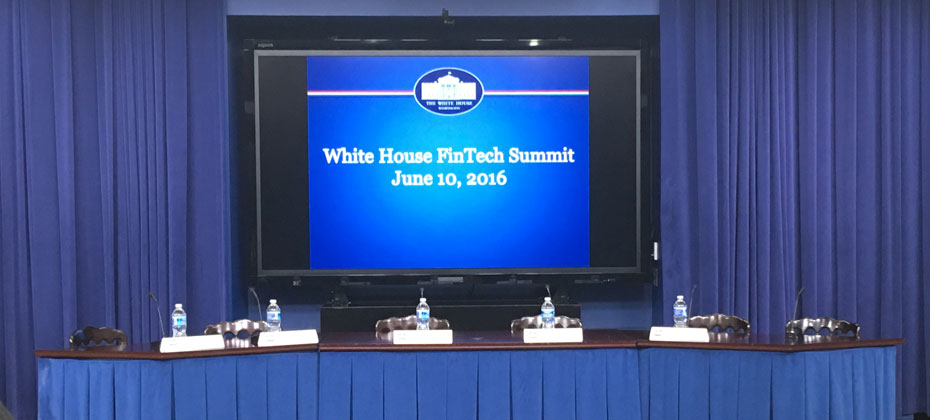
“The White House FinTech Summit” – the intent was to promote a discussion, on what could be done better to progress innovation in financial services,

Definition of first-party versus third-party fraud trends and shared actual case study of a first-party fraud scheme.

The Consumer Financial Protection Bureau (CFPB) proposed payday lending rule that will apply to virtually all lenders.

Auto loans top $1 trillion in start of 2016