North America Insights Report

Updated: August 4, 2026 by Guest Contributor 2 min read November 12, 2020

The shift created by the COVID-19 pandemic is still being realized. One thing that we know for sure is that North American consumers’ expectations continue to rise, with a focus on online security and their digital experience.

In mid-September of this year, Experian surveyed 3,000 consumers and 900 businesses worldwide—with 300 consumers and 90 businesses in the U.S.—to explore the shifts in consumer behavior and business strategy pre- and post-COVID-19.

More than half of consumers surveyed continue to expect more security steps when online, including more visible security measures in place on websites and more knowledge about how their data is being protected and stored. However, those same consumers aren’t willing to wait more than 60 seconds to complete an online transaction making it more important than ever to align your security and experience strategies.

While U.S. consumers are optimistic about the economy’s recovery, they are still dealing with financial challenges and their behaviors have changed. Future business plans should take into account consumers’:

  • High expectations of their online experience
  • Increases in online spending
  • Difficulty paying bills
  • Reduction in discretionary spending

Moving forward, businesses are focusing on use of AI, online security, and digital engagement. They are emphasizing revenue generation while looking into the future of online security. Nearly 70% of businesses also plan to increase their fraud management budgets in the next 6 months.

Download the full North America Insights Report to get all of the insights into North American business and consumer needs and priorities and keep visiting the Insights blog in the coming weeks for a look at how trends have changed from early in the pandemic.

North America Insights Report Global Insights Report
Related Posts

What Is a Third-Party Breach? How to Prepare for and Respond to Vendor Incidents

Learn what a third-party breach is and steps to prepare, contain risk, and support affected customers. Read more!

November 9, 2026 by Laura Burrows
Mortgage Underwriting Moves from Modernization Talk to Action 

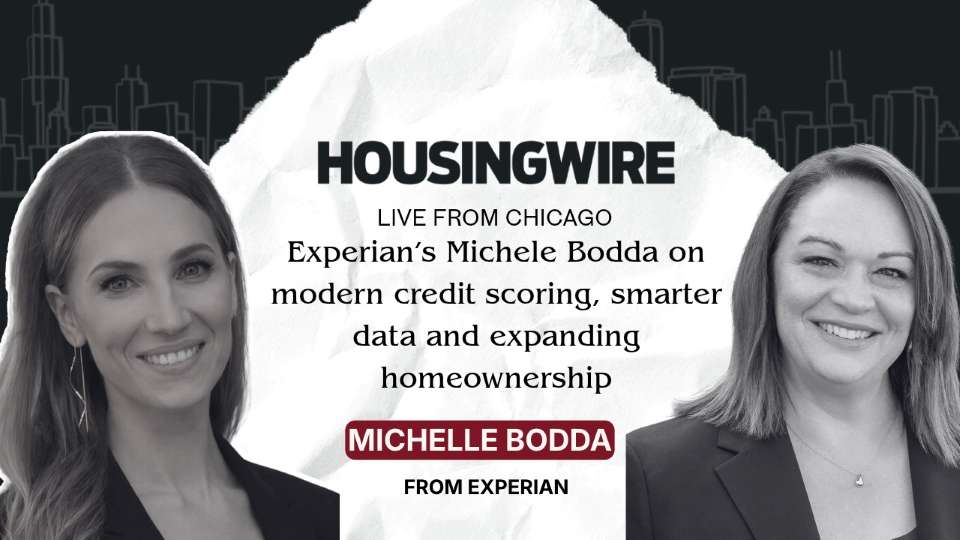
Mortgage underwriting is entering a new phase. In a recent conversation with HousingWire’s Allison LaForgia, Michele Bodda, Group President of Experian Housing, Verification Solutions, and Employer Services, discussed how modern credit scores, alternative data and verification tools are changing how lenders evaluate borrowers.  Lenders can now judge modernization by its results, Bodda said. “Now we’re actually letting more modern scores get into underwriting to help price loans and go all the way through to securitization,” she told HousingWire. “We’re letting the scores and the data actually speak for itself instead of just talking about it.”  The Right Data at the Right Time  Modernizing underwriting means providing useful information at the right stage, rather than giving lenders everything at once. “You don’t need everything all at once. You don’t need everything on initial pull,” Bodda said.  Alternative data, such as rental payments and buy now, pay later activity, can help show how consumers manage obligations, especially those with thinner credit files. A thin credit file does not necessarily mean someone has a thin financial life.  “It’s our responsibility as one of the primary data providers to make sure we can make all of that available, so that we’re best representing the consumer,” Bodda said. A fuller view of data may help lenders identify creditworthy applicants who might otherwise be difficult to assess.  Simplifying Verification and Reducing Friction  Bodda also shared how Experian is making credit information more easily accessible and reducing unnecessary costs during the originations process, explaining that new enhancements to Experian’s Power Profile Plus allow lenders to pull credit data at the start of underwriting and request another score later without repurchasing the data.  “You can pull it later and not pay for the credit data again,” Bodda said.   Experian is also investing in income and employment verification, including through a new partnership with Workday. Bodda explained that Experian will continue to focus on process improvement, competition and innovation across the mortgage ecosystem.  A Broader Path to Homeownership  As consumer expectations and underwriting capabilities evolve, borrowers want a process that reflects their financial lives, while lenders seek greater efficiency. Modern scores, relevant data, and streamlined verification can help lenders assess applications with more context—and may help more people pursue homeownership.  “If we as an industry can open this up and bring more people into the process, then we’re going to thrive,” Bodda said in the interview.   Watch the interview and hear all of Michele’s insights, and more here.  

November 6, 2026 by Caroline Basile
How to Deliver Data-Driven Customer Experiences

A data-driven credit customer experience offers personalization and low friction — it's a win-win for consumers and businesses.

November 5, 2026 by Zohreen Ismail

Subscribe to our Newsletter

Enter your name and email for the latest updates.

This site is protected by reCAPTCHA and the Google Privacy Policy and Terms of Service apply.

Subscribe to our Newsletter

Don't miss out on the latest industry trends and insights!
Subscribe