Loading...

Simple Steps to Lift an Experian Security Freeze

by Guest Contributor 2 min read March 14, 2018

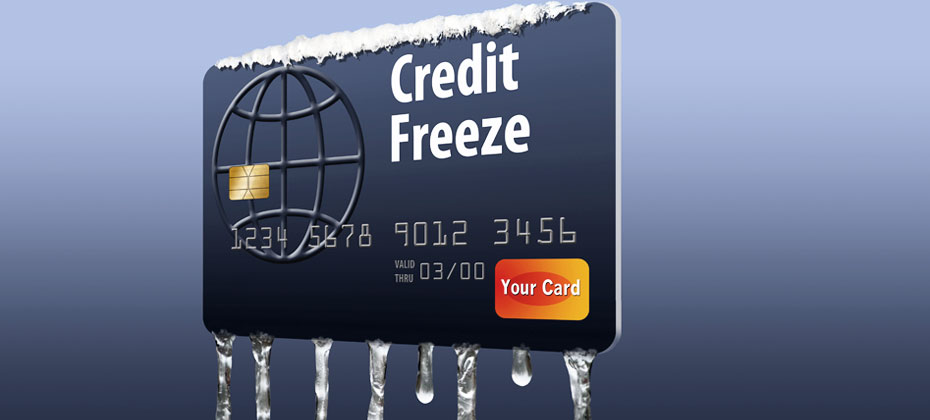
Millions of Americans placed a credit freeze or restricted access to their credit file in recent months to keep identity thieves at bay. Credit freezes keep any new creditors from seeing a consumer’s credit file, which makes it nearly impossible for hackers to open new accounts fraudulently. But a credit freeze can also be problematic for consumers when they are finally ready to consider new credit products and loans. 

We’ve heard from credit unions and other lenders about sharing best practices to help streamline the process for consumers who want to permanently or temporarily lift the freeze to apply for a legitimate line of credit.

Following are the three ways to help clients with a frozen Experian report quickly and efficiently allow access.

Unfreeze account: This will remove the freeze entirely from the consumer’s credit report so that it may be accessed with the consumer’s permission. To do this, the consumer will need to contact Experian online, by phone or mail and provide his unique personal identification number (PIN) code—provided when the consumer froze his account—to un-freeze the report.

Thaw account: An action that will temporarily remove the freeze for a timeframe determined by the consumer. The consumer should contact Experian online, by phone, or mail and provide his unique PIN code to thaw the report.

Grant a creditor one-time access: A consumer may provide a different/temporary PIN to a lender to access the report just once. The PIN can be emailed to the consumer, presented on screen if the consumer is online, or provided on the phone or by mail.

Typically, a consumer’s request to thaw or un-freeze his credit file online or by phone will thaw or un-freeze the file within minutes.

Experian can be reached:

Online: www.experian.com/freeze

Phone: 888-397-3742

Mail: P.O. Box 9554, Allen, Texas 75013

Remember, if a consumer has a frozen credit file with all three credit reporting agencies, he will need to contact each agency to enable access to his report.


Related Posts

Since 1996, The Internal Revenue Service (IRS) has issued more than 27 million individual taxpayer identification numbers (ITINs) –⁠ a 9-digit number used by individuals who are required to file or report taxes in the United States but are not eligible to obtain a Social Security number (SSN). Across the country, ITIN holders are actively contributing to their communities and the U.S. financial system. They pay bills, build businesses, contribute billions in taxes and manage their finances responsibly. Yet despite their clear engagement, many remain underrepresented within traditional lending models.  Lenders have a meaningful opportunity to bridge the gap between intention and impact. By rethinking how ITIN consumers are evaluated and supported, financial institutions can: Reduce barriers that have historically held capable borrowers back Build products that reflect real borrower needs Foster trust and strengthen community relationships Drive sustainable, responsible growth Our latest white paper takes a more holistic look at ITIN consumers, highlighting their credit behaviors, performance patterns and long-term growth potential. The findings reveal a population that is not only financially engaged, but also demonstrating signs of ongoing stability and mobility. A few takeaways include: ITIN holders maintain a lower debt-to-income ratio than SSN consumers. ITIN holders exhibit fewer derogatory accounts (180–⁠400 days past due). After 12 months, 76.9% of ITIN holders remained current on trades, a rate 15% higher than SSN consumers. With deeper insight into this segment, lenders can make more informed, inclusive decisions. Read the full white paper to uncover the trends and opportunities shaping the future of ITIN lending. Download white paper

by Theresa Nguyen 2 min read February 2, 2026

Mid-sized banks should take a data-driven approach to implementing credit risk strategies if they want to expand their loan portfolios.

by Brian Funicelli 2 min read August 27, 2025

As financial behavior becomes more dynamic, real-time data is emerging as a powerful tool in reshaping how lenders assess risk.

by Brian Funicelli 2 min read August 14, 2025

Subscribe to our blog

Enter your name and email for the latest updates.

This site is protected by reCAPTCHA and the Google Privacy Policy and Terms of Service apply.

Subscribe to our Experian Insights blog

Don't miss out on the latest industry trends and insights!
Subscribe