Loading...

Three Reasons the Income and Employment Verification Space is Ready for Change

by Guest Contributor 3 min read June 22, 2021

As quarantine restrictions lift and businesses reopen, there is still uncertainty in the mortgage market. Research shows that more thantwo million householdsface foreclosure as moratoriums expire. And with regulators, like theConsumer Financial Protection Bureau(CFPB), urging mortgage servicers to prepare for an expected surge in homeowners needing assistance, lenders need the right resources as well.

One of the resources mortgage lenders rely on to help gain greater insight into their borrower’s financial picture is income and employment verification. The challenge, however, is striking the right balance between gaining the insights needed to support lending decisions and creating a streamlined, frictionless mortgage process.

There are three main barriers on the path to a seamless and digital verification process.

Legacy infrastructure

Traditional verification solutions tend to rely on old technology or processes. Whether a lender’s verification strategy is centered around a solution built on older technology or a manual process, the time to complete a borrower verification can vary from taking a day to weeks. Borrowers have grown accustomed to digital experiences that are simple and frictionless and experiencing a drawn out, manual verification process is likely to impact loyalty to the lender’s brand.

Stale employment and income data

The alternative to a manual process is an instant hit verification solution, with the aim to create a more seamless borrower experience. However, lenders may receive stale borrower income and employment data back as a match. Consumer circumstances can change frequently in today’s economic environment and, depending on the data source the lender is accessing, data may be out of date or simply incorrect. Decisioning based on old information is problematic since it can increase origination risk.

Cost and complexity

Lenders that use manual processes to verify information are adding to their time to close and ultimately, their bottom line by way of time and resources. Coupled with pricing increases, lenders are paying more to put their borrowers through a cumbersome and sometimes lengthy process to verify employment and income information.

How can mortgage lenders avoid these common pitfalls in their verification strategy? By seeking verification solutions focused on innovation, quality of data, and that are customer-centric.

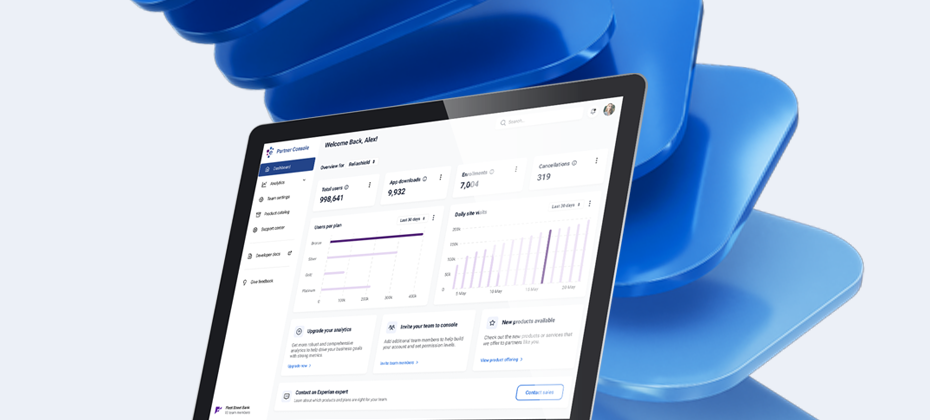
The right tool, such as Experian VerifyTM, can help provide a seamless customer experience, reduce risk, and streamline the verification process.
Learn more

Related Posts

  Experian Verify is redefining how lenders streamline income and employment verification; a value clearly reflected in Marcus Bondraeger’s experience at Freedom Mortgage. With access to the second-largest instant payroll network in the U.S., Experian Verify  connects lenders to millions of unique employer records, including those sourced through Experian Employer Services clients, delivering instant results at scale. This reach enables lenders to reduce manual processes, accelerate loan decisions and enhance the borrower experience from the very first touchpoint. Unlike traditional verification providers, Experian Verify offers transparent, value-driven pricing: it charges only when a consumer is successfully verified, not simply when an employer record is found. As lenders navigate increasing compliance requirements and secondary market expectations, they can also rely on Experian Verify’s FCRA-compliant framework, fully supporting both Fannie Mae and Freddie Mac. Combined with Experian’s industry-leading data governance and quality standards, lenders gain a verification partner they can trust for accuracy, security, and long-term operational efficiency. Perhaps most importantly, Experian Verify delivers 100% U.S. workforce coverage through its flexible, automated waterfall: instant verification, consumer-permissioned verification, and research verification. This multilayered approach ensures lenders meet every borrower where they are, whether they’re connected to a large payroll provider, a smaller employer, or require additional document-based validation. As Marcus highlights in the video, this comprehensive and configurable design empowers lenders to build verification workflows that truly fit their business needs while enhancing speed, completeness, and borrower satisfaction. Explore Experian Verify

by Ted Wentzel 3 min read February 20, 2026

%%excerpt%% %%page%% Who is renting in 2025 and why it matters. Explore renter demographics, affordability pressures, credit trends and how Experian data helps predict housing risk and demand.

by Manjit Sohal 3 min read February 4, 2026

%%excerpt%% %%page%% Explore how modern tools like consumer-permissioned data, secure uploads, and AI are transforming income and employment verification—bridging gaps left by outdated manual processes and supporting today’s evolving workforce.

by Lizel Ferrer 3 min read January 28, 2026

Subscribe to our blog

Enter your name and email for the latest updates.

This site is protected by reCAPTCHA and the Google Privacy Policy and Terms of Service apply.

Subscribe to our Experian Insights blog

Don't miss out on the latest industry trends and insights!
Subscribe