Tag: fraud

Children are attractive victims since fraud that uses their personal identifying information can go for years before being detected.

There are a lot of people talking about big data who are not fully leveraging the value of their data. How do you use data to innovate and stay competitive?

The MOBILE Act authorizes a standard for banks to scan and retain information from driver’s licenses and id cards as part of online onboarding process.

First-party fraud involves making financial commitments or using their own identity, a manipulated version of their own identity or a synthetic identity.

While the marketplace struggles to manage the impact of fraud prevention, CIP routinely disrupts more than 10 percent of new customer acquisitions.

some synthetic identities are being used for purposes other than fraud. Here are 3 types of common synthetic identities and why they’re created

The business case for identity verification and risk assessment tools is most compelling when it includes a broad range of both direct and indirect factors. Here are 3 indirect measures we suggest you consider:

On May 11, 2018, financial institutions will be required to perform Customer Due Diligence routines for their legal entity customers. Here are 3 facts that you should know

Recognizing customers is more than good service. Identify your customers to spot fraud. It’s a simple concept, but it’s not so simple to do. Consumers expect to be recognized and welcomed wherever and whenever they do business. Here's more insights on recognition and fraud.

Mitigate synthetic ID fraud before they enter your portfolio with these steps.

Kathleen Peters, SVP of Product Management for Global Fraud and Identity, and recently included in the Top 100 influencers in Identity.

Online activities among consumers reflect the increased adoption of digital commerce. In fact, recent findings from our 2018 Global Fraud and Identity Report show the top activity on mobile devices is online shopping, followed closely by personal banking.

Experian® is honored to be an MRC Technology Award nominee. Here are the top 3 reasons you should vote for CrossCore for MRC People's Choice Award Winner.
We obtained input from more than 5,500 consumers and 500 businesses worldwide on these priorities for our Global Fraud and Identity Report 2018.
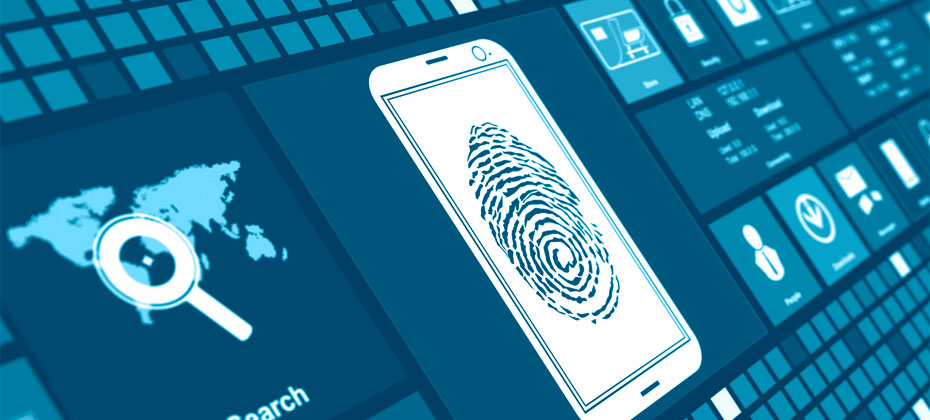
The multitude of modern fraud strategies available today necessitates applying an appropriate level of confidence to increase the likelihood of catching fraudsters without disrupting legitimate customers’ experiences.