Fraud & Identity
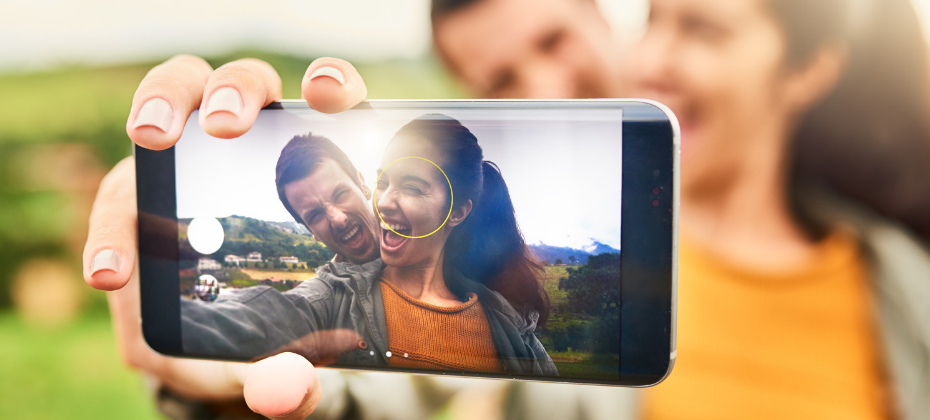
A new free photo editor has taken the internet by a storm, offering an AI-powered image-altering application that allows users to see their “future self.”
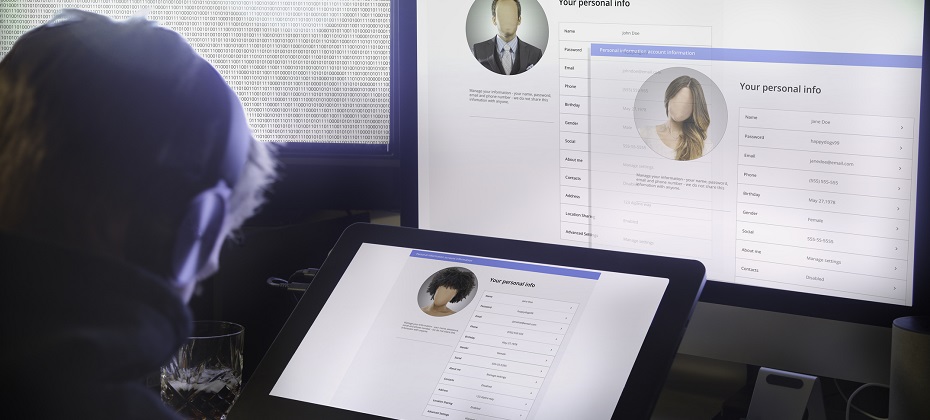
Synthetic identities can run several levels deep and be so complete that you don't find them until they reach collections
You can try to prepare for the unexpected. But with fraud, you need to expect that there are trends, technology and tactics that can help and hinder

The best online experience balances security and convenience. Technology and innovation is allowing businesses to give the maximum potential of both.

There's currently an outbreak of breach-fueled credential stuffing. Billions of stolen usernames/passwords have been compiled and available to criminals

Our 2018 study uncovers several important lessons learned from companies that have found success to prevent data breaches.
Regulatory trends, risk mitigation and customer trust are all critical to fintech fraud risk strategies and were discussed at a recent Experian panel.

How can fintech companies ensure they’re one step ahead of fraudsters? Kathleen Peters discusses how fintechs can prepare for success in fraud prevention.

It’s the holiday season, and we’re prepared for holiday fraud. Our team monitors FraudNet to identify anomalies as millions of transactions occur this month

Criminals constantly search and exploit weaknesses. In this digital age, protecting people fuels our commitment to identity protection and fraud prevention.

Children are attractive victims since fraud that uses their personal identifying information can go for years before being detected.
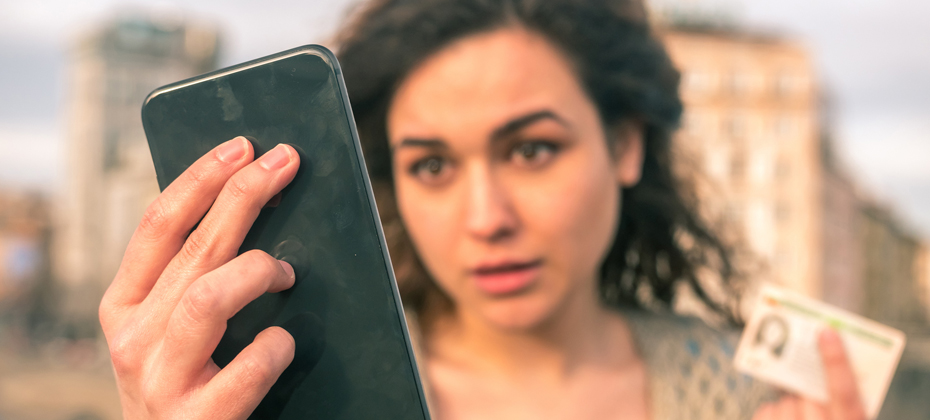
The MOBILE Act authorizes a standard for banks to scan and retain information from driver’s licenses and id cards as part of online onboarding process.

First-party fraud involves making financial commitments or using their own identity, a manipulated version of their own identity or a synthetic identity.

While the marketplace struggles to manage the impact of fraud prevention, CIP routinely disrupts more than 10 percent of new customer acquisitions.

some synthetic identities are being used for purposes other than fraud. Here are 3 types of common synthetic identities and why they’re created