Fraud & Identity

A well-prepared data breach response drill should first define all breach scenarios (ransomware, phishing, etc.) and their specific steps.

Podcast to discuss the emergence of synthetic identity fraud, its true financial impact and how organizations can begin to fight back.

Sophisticated criminals work hard to create convincing, verifiable personas they can use to commit fraud. Here are the 3 main ways fraudsters manufacture synthetic IDs:

The future of identity proofing in the public sector is more than just verifying individual identities. Read to learn about modernizing identity proofing
Juniper Research recently recognized Experian as a Fraud Detection and Prevention Market Leader in its Online Payment Fraud Whitepaper. Juniper also shared important market insights in the report.


Despite rising concerns about identity theft, most Americans aren’t taking basic steps to make it harder for their information to be stolen, according to a survey Experian conducted in August 2017.

Synthetic identity fraud is on the rise across financial services, ecommerce, public sector, health and utilities markets. The long-term impact of synthetic identity remains to be seen and will hinge largely upon forthcoming efforts across the identity ecosystem made up of service providers, institutions and agencies, data aggregators and consumers themselves.
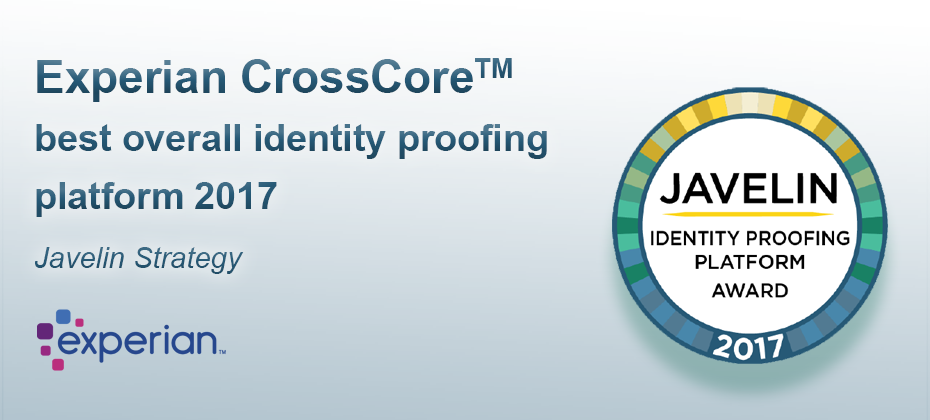
Javelin Strategy & Research announced the 2017 Identity Proofing Platform Awards. We were honored to see CrossCore as the identity proofing platform winner.
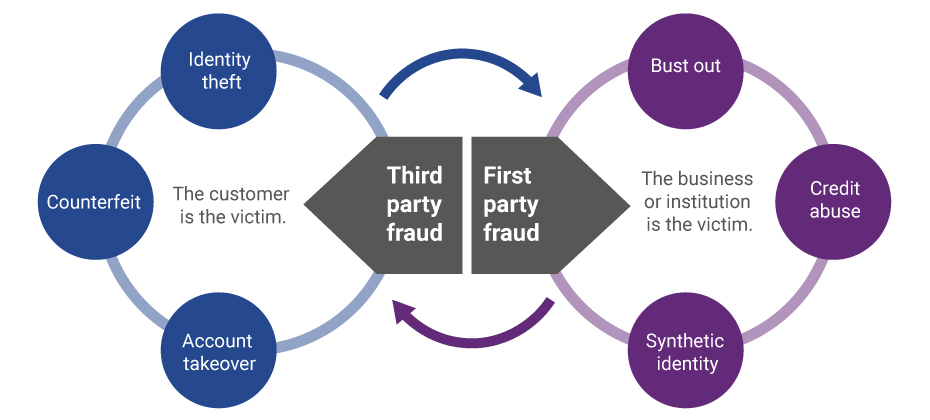
Third-party and first-party schemes are now interchangeable, and traditional fraud detection practices are less effective in fighting these evolving fraud types.
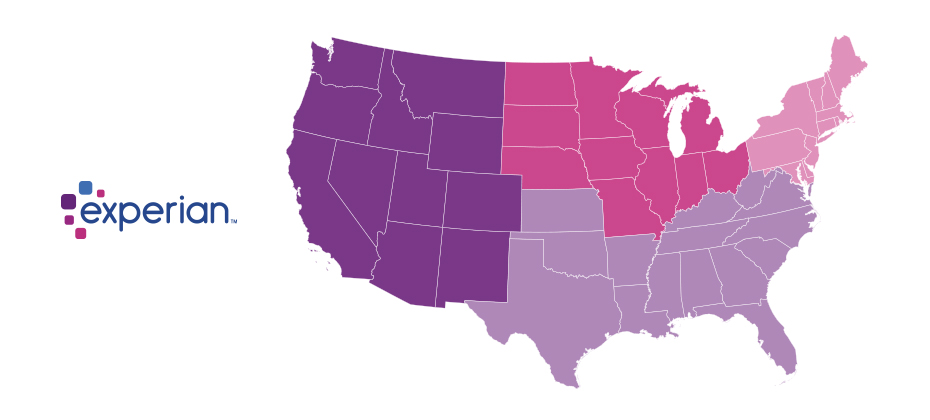
We recently analyzed millions of online transactions from the first half of 2017 to identify fraud attack rates. Here are the top 3 riskiest states for e-commerce billing and shipping fraud for H1 2017

An Experian survey shows that many consumers still seriously underestimate their risk of falling victim to identity theft.

Everyone has a role in cybersecurity. Cybersecurity cannot be successful if siloed. The entire organization must be part of the effort.
With minimal risk and high reward at stake, e-commerce fraud attacks have increased dramatically over the last few years, with no signs of slowing down.

Too many C-suite executives are disengaged with their organization’s cybersecurity efforts. That indifference can seriously hamper an organization’s ability to quickly and effectively respond to an incident. To best protect the organization, take the following steps to increase engagement: