
Supporting Startups with Experian’s API Developer Portal

by Guest Contributor 2 min read June 21, 2018

The early stages of establishing a startup are some of the most difficult. In fact, it is said 90 percent of startups fail. Challenges include forming the right team, raising capital, and constructing a business model. But no one will deny that one of the most important parts of a startup’s business strategy is the data and technology that underpin its solution.

On the one hand, new startups don’t benefit from a wealth of historic data on their clients, prospects, and partners like their more established competitors. While this isn’t the end of the world, it does emphasize the importance of finding a trusted data partner to build those data insights into the design for their application or platform. By using a trusted third-party data provider, companies can ensure they receive reliable and accurate data to utilize in their products and services.

On the other hand, startups have the luxury of not being bogged down and burdened by legacy systems and older tech. While building a solution from the ground up is never an easy feat, startups can generally move faster. They can benefit from the latest technology to build new apps and products, making them nimbler than the incumbents in the space.

Cloud technology enables organizations to quickly get their business up and running. In addition, companies are exposing many of their data assets and services through application programming interfaces (APIs), allowing others to more easily create their own solutions. Rather than reinventing the wheel, companies can leverage existing services to build more complex solutions and launch faster.

“We’ve talked to countless startups and businesses and know they want easy, fast, and secure access to our data assets and services,” said Alpa Jain, vice president of Experian’s API Center of Excellence. “That’s why we’ve launched our API Developer Portal.”

The list of APIs available through Experian’s Developer Portal includes solutions like consumer credit data, commercial credit data, commercial public record information, data quality, vehicle history information, and more.

Companies can browse the list of available APIs, create an account, and start utilizing the APIs for building out a product within minutes.

“Our goal is to help companies unlock untapped market opportunities and grow,” said Jain. “Success with APIs requires a successful developer program and portal to accelerate developer productivity – we believe we’ve created both with our new portal experience.”

Related Posts

What Is Fraud Orchestration? A Guide for Lenders

Learn what fraud orchestration is, how it works and how lenders can connect fraud prevention tools, improve decision-making and reduce friction for legitimate customers.

November 20, 2026 by Gary Stockton
Data Snapshot: VantageScore 4.0 Adoption Trends

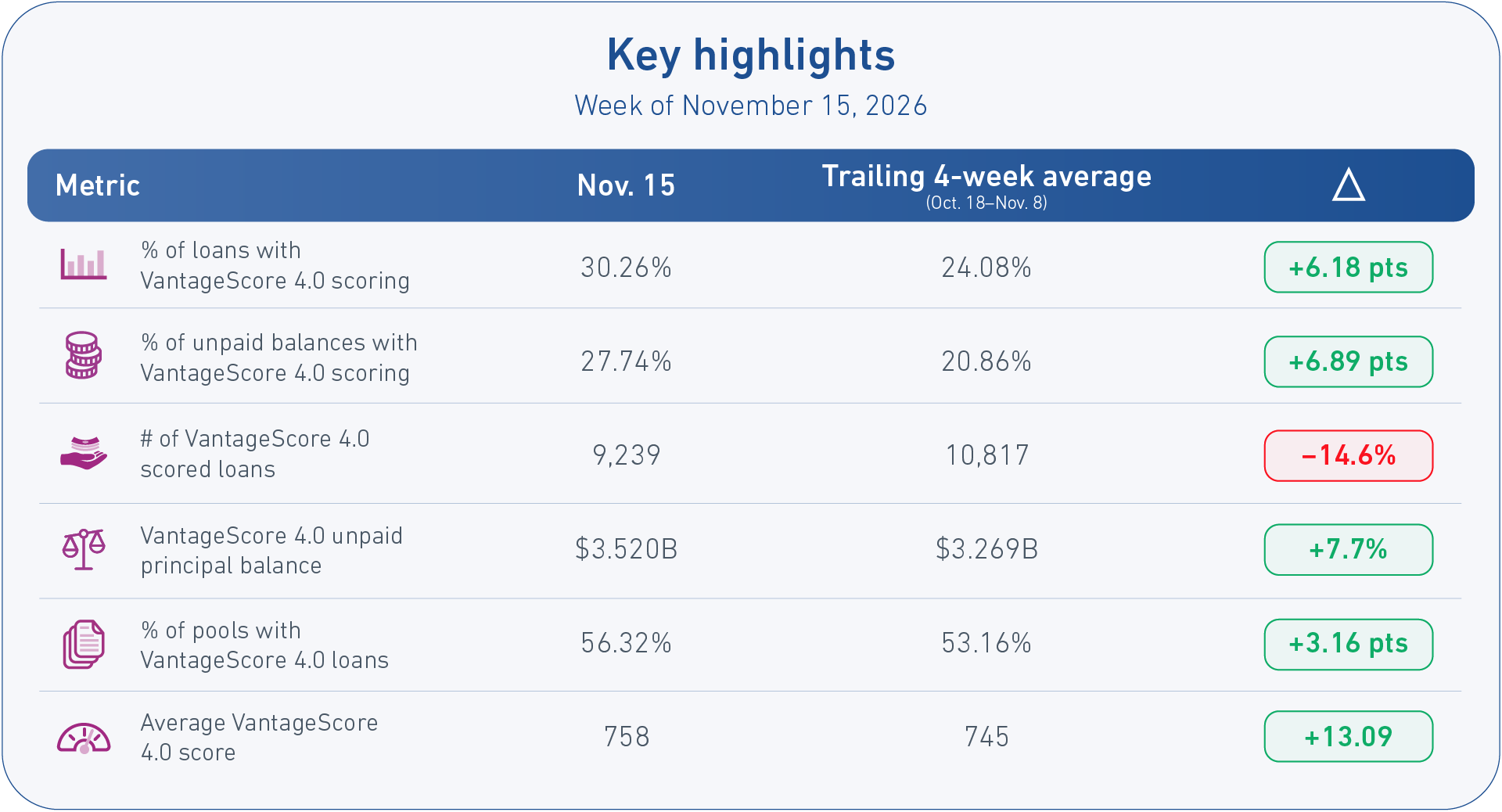
New data indicate signs of increased VantageScore 4.0 adoption. Recent Experian Capital Markets data reporting points to gradual growth in VantageScore 4.0 adoption, and more loans beginning to appear in a larger share of GSE pools.

November 20, 2026 by Angad Paintal
What Is a Ransomware Attack? How to Prepare and Respond

Ransomware attacks can create challenges that extend far beyond an organization’s IT systems. When critical applications become unavailable or sensitive information is compromised, businesses may face operational disruption, financial losses and difficult decisions about how to support affected customers. While cybersecurity defenses are essential, organizations also need clear response procedures, coordinated communication and recovery plans. Understanding how ransomware attacks happen, their potential impact and the steps organizations can take to prepare can help businesses respond more effectively when an incident occurs. What is a ransomware attack? A ransomware attack is a type of cyberattack in which criminals use malicious software or extortion tactics to demand payment from an organization. Traditionally, ransomware encrypts files or systems, preventing authorized users from accessing information until a ransom is paid. Some attackers also steal sensitive data and threaten to release it unless their demands are met. These tactics may occur separately or together, creating challenges for organizations trying to restore operations and protect sensitive information. Paying a ransom does not guarantee that attackers will restore access, delete stolen information or refrain from making additional demands. How do ransomware attacks happen? Ransomware attacks often begin when cybercriminals gain unauthorized access to an organization’s systems or accounts. Once inside, attackers may attempt to expand their access, steal information or deploy malicious software. Common attack methods include: Phishing and social engineering: Deceptive emails or messages that trick employees into opening malicious attachments, visiting harmful websites or sharing login credentials Compromised credentials: Stolen passwords or authentication information used to access business systems and accounts Unpatched vulnerabilities: Security weaknesses in software, servers or network devices that attackers exploit Third-party access: Compromised vendors or connected systems that provide a potential entry point Malicious downloads: Harmful software installed through deceptive websites, compromised applications or unsafe downloads Understanding these methods can help organizations identify potential weaknesses and strengthen their security practices. How do ransomware attacks affect businesses and customers? The consequences of a ransomware attack depend on the systems affected, the information involved and the organization's ability to contain the incident. Business disruption and financial losses When critical systems become unavailable, organizations may experience interruptions to customer service, payment processing, internal operations or other essential functions. The financial impact can be significant. According to the FBI's 2025 Internet Crime Report, reported ransomware-related losses reached approximately $32.3 million, up from $12.5 million in 2024. These figures do not capture the full financial impact of ransomware incidents, including business interruption, recovery expenses and other indirect costs. Customer data exposure and fraud risks Some ransomware incidents involve the theft of sensitive information, potentially exposing customers to identity theft or fraud. If attackers obtain login credentials or personal information, organizations may also need to consider related threats, including account takeover. Customer trust and reputation Customers expect organizations to protect their information and communicate clearly when incidents affect them. Delayed or confusing communication may create additional uncertainty. A coordinated response can help organizations provide timely information and appropriate support to affected individuals. What should organizations do after a ransomware attack? When a ransomware incident is suspected, organizations should activate their incident response procedures and work with qualified professionals to assess and contain the threat. Important response steps include: Activate the response team: Bring together IT, cybersecurity, legal, privacy, communications and leadership teams as appropriate. Contain the incident: Identify affected systems and take steps to limit further unauthorized activity while preserving relevant evidence. Investigate the impact: Determine which systems and information may have been compromised, including whether sensitive data was accessed or removed. Evaluate notification requirements: Work with legal and privacy advisers to determine applicable regulatory, contractual and customer communication obligations. Support affected customers: Prepare clear communications and appropriate resources when personal information has been exposed. An established data breach response strategy can help organizations coordinate customer notification and support activities following an incident. How can organizations prepare for and recover from ransomware attacks? Organizations can prepare for ransomware attacks by combining security controls, tested backups, employee training and a documented incident response plan. Recovery planning should also address how teams will restore systems, assess data exposure and communicate with affected customers. Key preparedness measures include: Maintain secure backups: Keep protected backups and regularly test restoration procedures. Strengthen access controls: Implement multifactor authentication and limit access to sensitive systems. Update software: Address known vulnerabilities through consistent patch management. Train employees: Help staff recognize phishing attempts and suspicious activity. Monitor security threats: Use appropriate detection and monitoring tools to identify potential attacks. Test response plans: Conduct exercises that evaluate technical recovery, communication and decision-making responsibilities. Following an incident, recovery should focus on restoring systems safely, addressing remaining vulnerabilities and evaluating potential risks to affected individuals. Organizations may also need to consider whether compromised information could contribute to additional fraud. Depending on the circumstances, fraud prevention solutions may support broader identity risk management efforts. Security teams should also evaluate related threats, including automated bot attacks, when assessing potential misuse of compromised accounts or credentials. Once operations are restored, reviewing lessons learned can help organizations strengthen their security controls, response procedures and future preparedness. How can breach response planning help protect customers? Ransomware preparedness should account for both operational recovery and the potential impact on customers. If sensitive information is compromised, organizations may need to coordinate notifications, respond to customer questions and provide appropriate support. Experian® offers data breach resolution services that help organizations plan for and manage customer-facing aspects of a breach, including notification management and response support. By establishing response procedures before an incident, organizations can improve coordination and prepare to address customer needs when a breach occurs. Prepare for a more coordinated breach response Explore Experian's data breach response solutions and learn how to plan for customer notification and support. Explore data breach response solutions Download the 2027 Data Breach Response Guide

November 20, 2026 by Julie Lee

Subscribe to our Newsletter

Enter your name and email for the latest updates.

This site is protected by reCAPTCHA and the Google Privacy Policy and Terms of Service apply.

Subscribe to our Newsletter

Don't miss out on the latest industry trends and insights!
Subscribe