At A Glance
As AI agents take on a greater role in digital commerce, agent identity and payment verification are becoming increasingly important components of digital trust.Artificial intelligence (AI) agents are already changing the way consumers interact with businesses online. Instead of simply helping people research products, compare options or complete forms, increasingly capable AI agents can act on a user’s behalf, including initiating purchases and completing transactions.
For businesses, this shift introduces a new identity challenge. Traditional digital transactions are generally built around verifying the identity of the person interacting with a business. But what happens when an AI agent is the entity initiating the interaction?
Businesses need to know more than whether an AI agent is technically legitimate. They need confidence in who is behind the agent, whether the agent has permission to act and whether the transaction reflects the user’s actual intent.
That requires trust across both identity and payment. Businesses need to verify that the consumer is who they claim to be, the payment instrument belongs to them, and the agent is authorized to use it, including what it can purchase and how much it can spend.
What is AI agent identity verification?
AI Agent verification is the process of establishing trust in an AI agent and connecting its actions to a verified individual or entity.
In traditional digital commerce, organizations may evaluate identity information, device signals, behavioral patterns, payment information and other risk indicators to determine whether a transaction should proceed. AI Agents introduce another participant into that relationship. Instead of a straightforward interaction between a consumer and a business, the transaction may involve three parties:
Consumer → AI agent → Business
That means organizations need a way to evaluate not only the consumer’s identity but also the relationship between the consumer and the AI agent acting on their behalf.
Effective AI agent identity verification can help businesses answer several critical questions:
- Who is the person behind the AI agent?
- Is the agent authorized to act for that person?
- What actions has the consumer authorized?
- Does the consumer own the card?
- Does the transaction align with that authorization?
- Is there identity, behavioral or fraud signals that indicate elevated risk?
- Can the business establish accountability for the transaction?
Answering these questions creates a foundation for trusted agentic interactions.
Why verifying an AI agent is different from verifying a human
Identity verification has traditionally focused on establishing whether a person is who they claim to be. AI agents change that model because the entity interacting with a business may not be the consumer directly. An agent might search for a product, negotiate an offer, select a payment method or initiate a transaction without the consumer being present for every individual step. That creates a potential trust gap.
A business may be able to recognize the agent or platform making a request, but that alone does not establish whether the person associated with the agent authorized a particular action. As agentic commerce grows, businesses may therefore need to establish trust across three dimensions:identity, authorization and intent.
Together, these signals can help businesses distinguish legitimate agent-driven transactions from unauthorized or potentially fraudulent activity.
The fraud risks associated with AI agent transactions
AI agents have the potential to make commerce faster and more convenient. But automation can also change the speed and scale at which fraud occurs.
Fraudsters already use automation and AI to support activities such as bot attacks, account takeover and identity-based fraud. As autonomous agents become more capable, organizations will need to determine whether an automated interaction represents a trusted customer or a malicious actor.
This concern is becoming increasingly important for consumers. Experian’s U.S. Identity and Fraud Report found that more than half of consumers are very or extremely concerned about AI-enabled scams.
Agentic transactions could create several areas of exposure.
The challenge for businesses will be managing these risks without eliminating the convenience that makes AI agents valuable in the first place.
How to verify AI agents in transactions
There is unlikely to be a single signal that establishes whether every AI-driven transaction should be trusted. Instead, organizations can consider a layered approach that connects identity verification with agent authentication, authorization and ongoing risk assessment.
1. Verify the person behind the agent
Trust starts with establishing the identity associated with the AI agent. Organizations can use identity verification capabilities to evaluate whether identity information belongs to a legitimate individual and whether there are indicators of identity theft, synthetic identity fraud or other forms of misuse.
2. Establish a secure human-to-agent connection
Once an individual has been verified, businesses need a mechanism for connecting that identity to the AI agent. Thishuman-to-agent bindinghelps establish that the agent represents a known person rather than simply accepting an agent’s assertion about who it represents. Binding also allows merchants and other organizations to maintain their connection with customers as transactions move across platforms and payment environments, supporting ongoing engagement and loyalty.
3. Capture authorization and intent
Knowing who owns an agent isn’t necessarily enough. Businesses also need to understand what the agent has permission to do. For example, a consumer might authorize an AI agent to purchase an airline ticket within a certain price range. That authorization does not necessarily mean the agent can make unrelated purchases or exceed established parameters. Capturing consent and transaction intent can help organizations assess whether an agent’s requested action aligns with what the consumer authorized.
4. Evaluate risk in real time
Identity intelligence, device information, behavioral analytics and transaction signals can help businesses identify anomalies that may indicate increased risk. Experian’s fraud prevention capabilities, for example, combine identity insights, machine learning and verified data with orchestration that can incorporate identity verification, device intelligence and behavioral analytics into decisioning workflows. This layered approach can help organizations identify suspicious activity while allowing lower-risk transactions to move forward with less friction.
5. Create portable trust signals
Agentic commerce may involve multiple organizations within a single journey. An AI agent could interact with a platform, merchant, financial institution and payment provider before a transaction is complete. Requiring every participant to rebuild identity and authorization from scratch could introduce significant friction. Trusted, tokenized signals can provide participating organizations with information about identity, consent and risk while helping minimize unnecessary exposure of underlying identity data.
6. Continue evaluating the agent over time
Agent behavior can change; credentials can become compromised and fraud patterns can emerge over time. Ongoing risk evaluation can help businesses detect unusual activity and adjust decisions as new signals become available. The result is a more dynamic model of trust: one that evaluates not only whether an agent was trusted previously, but whether the current interaction should be trusted now.
Scaling the framework for agentic commerce
Businesses are already familiar with frameworks such as Know Your Customer (KYC), which help organizations verify customer identities. Agentic commerce creates the need for an additional layer:A Know Your Agent (KYA) approach can help businesses connect the identity of the consumer with the AI agent, the consumer’s authorization and the risk associated with the transaction.
Rather than replacing existing identity verification and fraud prevention practices, KYA can extend them into environments where autonomous agents participate in transactions.
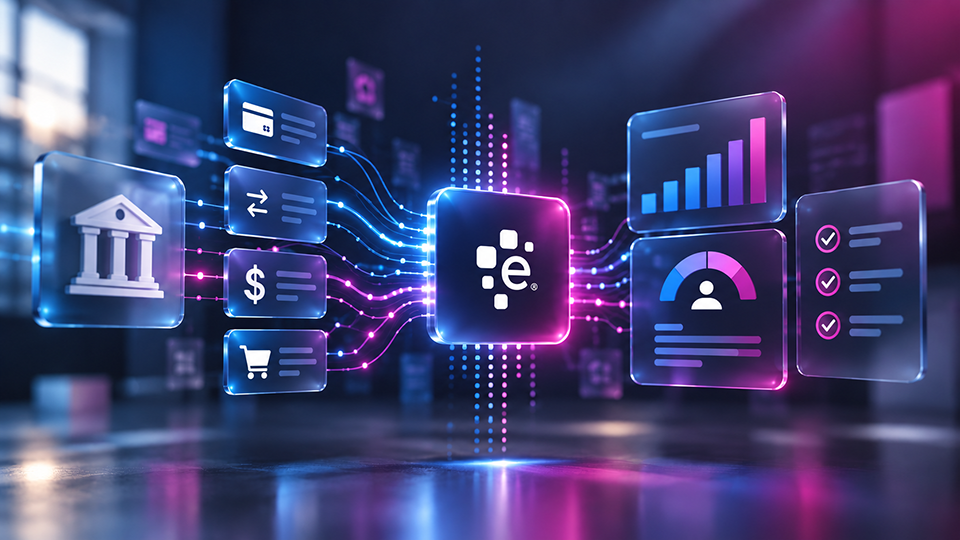
Experian Agent Trust™ is designed around this model. It connects identity, intent and risk to help businesses establish trust in AI-driven interactions. The approach includes verifying identity and payment information, securely binding the human to the AI agent, evaluating consent and intent, and providing trust signals that can support transaction decisions.
Building trust without adding unnecessary friction
One of the biggest opportunities associated with AI agents is convenience. Consumers may eventually rely on agents precisely because they reduce the number of steps required to research, compare and purchase products and services. In fact, 31% of consumers say they’ve already used an agent for online purchases or bookings.
A verification model that forces consumers to repeatedly interrupt an agent’s workflow could undermine that value. Businesses should therefore consider a risk-based approach to AI agent identity verification. Lower-risk transactions with strong identity, authorization and behavioral signals may be able to proceed with minimal intervention. Transactions with conflicting signals or elevated risk could trigger additional verification. This approach mirrors a broader principle of effective fraud prevention: apply the appropriate level of friction based on risk rather than treating every interaction the same way.
Preparing for an agent-driven future
Agentic commerce is still developing, but businesses can begin preparing now.
Organizations should consider how their existing identity and fraud strategies would operate if the entity interacting with their systems were an AI agent rather than a human.
That includes evaluating whether existing systems can:
- Establish the identity behind an agent
- Determine whether the agent has been authorized
- Validate transaction intent
- Recognize agent and device signals
- Assess fraud risk in real time
- Exchange trusted signals across commerce ecosystems
- Continuously evaluate agent behavior
Organizations that establish these capabilities early may be better positioned to adopt agentic experiences while maintaining security and customer trust.
Why partner with us for AI agent identity verification?
Trusted agentic commerce requires more than identifying an AI agent. It requires connecting the agent to a verified person, understanding what that person authorized and evaluating risk throughout the interaction.
Experian® Agent Trust extends our identity verification and fraud prevention capabilities into AI-driven commerce through a Know Your Agent framework designed to connectidentity, intent and risk.
With capabilities including identity and payment verification, Human-to-Agent Binding, real-time trust signals and continuous risk evaluation, we can help businesses establish greater confidence in transactions initiated by AI agents, while supporting the seamless experiences consumers expect.
Ready to explore how your organization can prepare for trusted agentic commerce?