From thought-provoking conversations on the main stage to practical discussions on AI, fraud, analytics and the future of financial services, day two of Vision 2026 brought together bold ideas and actionable insights.
Navigating trust and cybersecurity with Theresa Payton
The morning began with Theresa Payton, a trailblazer in technology and cybersecurity and the first female White House Chief Information Officer, for a conversation spanning cybersecurity, leadership and the evolving fight against fraud.
Drawing on experiences from her career, Payton explored emerging threats including synthetic identity fraud and shared lessons from organizations around the world working to stay ahead of increasingly sophisticated fraudsters.
She also explored the role of trust in building high-performing teams — from creating cultures where people have permission to take risks and learn from failure to preparing for challenges before they happen. Throughout the conversation, she emphasized how trust is earned over time through individual moments, preparation and openness.
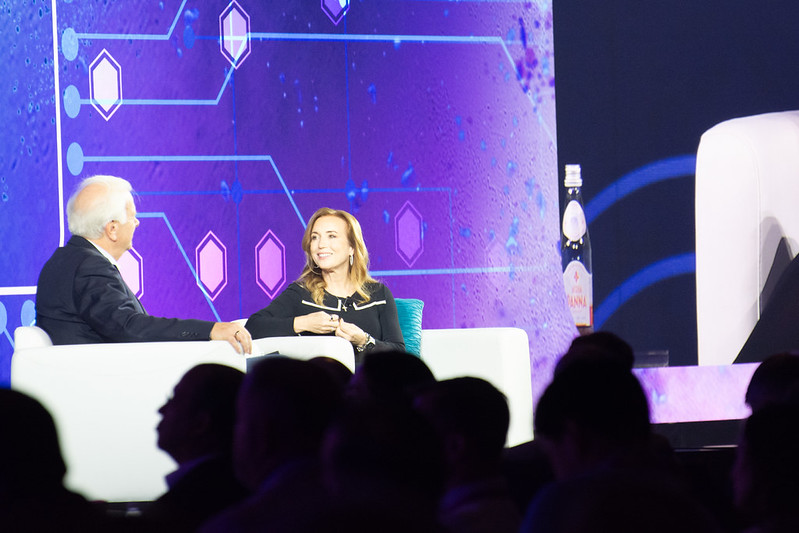
Theresa Payton speaks with Alex Lintner at Vision 2026.
Leadership lessons with Coach K
Next, legendary basketball coach and Hall of Famer Coach K took the stage for a conversation about leadership, resilience and what it takes to build high-performing teams.
Drawing on decades of experience leading at the highest levels of basketball, he explored four qualities central to leadership: agility, adaptability, accountability and a winning attitude. He also emphasized preparation, confronting challenges with solutions rather than excuses and building trust by addressing the truth directly.
At the center of his message was the power of the team. Excellence isn’t achieved alone — it comes from preparing together, holding one another accountable and maintaining a shared commitment to excellence.
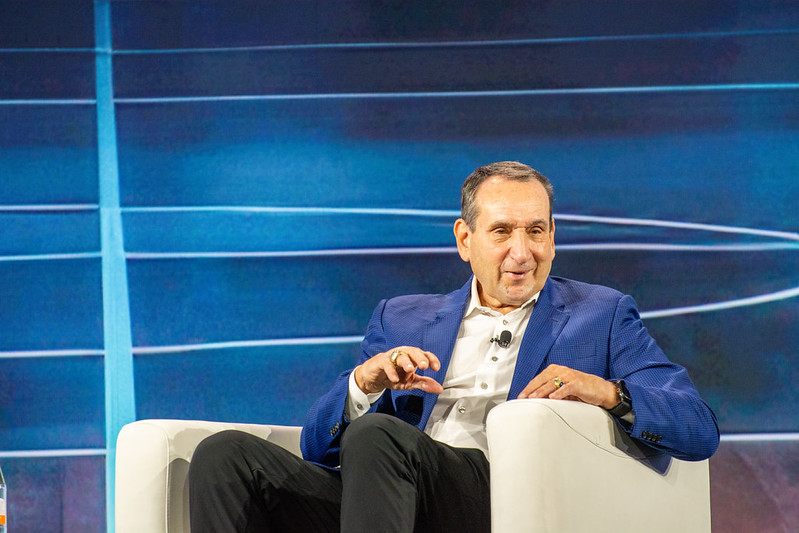
Coach K delivered inspiration during the General Session at Vision 2026.
Innovation in action
The Innovation Arena kept the momentum going, giving attendees another opportunity to experience Experian’s latest capabilities and connect directly with the experts behind them. Across 27 demos, participants explored innovations spanning AI, analytics, decisioning, identity, fraud prevention and more — bringing many of the ideas discussed throughout Vision to life through hands-on experiences.
The Innovation Arena Challenge also returned for day two, with points reset to zero and participants getting another opportunity to explore demos, earn points and climb the leaderboard.
Exploring the forces reshaping financial services
Beyond the main stage, another full lineup of breakout sessions gave attendees the opportunity to dig deeper into the challenges and opportunities shaping financial services.
AI remained a major focus, with conversations spanning AI-native credit onboarding, responsible governance, emerging generative AI capabilities and new ways to bring analytics directly into enterprise data environments.
Fraud and identity sessions explored deepfakes, synthetic identities, account takeover and the emerging challenge of establishing trust as AI agents begin acting on behalf of people.
Across credit and analytics, conversations examined how cash flow and transaction data, emerging signals and integrated credit and fraud decisioning can support smarter decisions. Other sessions explored approaches to expanding credit access through income and employment data, ITIN-based identity resolution, vehicle history and real-time signals.
Attendees also looked ahead to evolving market and regulatory conditions, from housing and automotive trends to regulatory readiness for 2027.
Across the sessions, one idea connected many of the conversations: turning new data, technology and intelligence into trusted, actionable decisions that can drive meaningful business outcomes.
Closing the general session with Matthew McConaughey
The afternoon general session brought Matthew McConaughey to the Vision stage for a memorable conversation about preparation, opportunity and taking meaningful risks.
Drawing on experiences from his career and life, McConaughey explored how being prepared can help create the right opportunities — and why moving forward sometimes means taking a chance without waiting for everything to be perfect. He encouraged attendees to embrace the possibility of stumbling along the way, viewing setbacks not as the end, but as part of the journey alongside success.
His perspective brought a fitting close to the general sessions, reinforcing the value of preparation, resilience and having the courage to act when the moment is right.
Vision 2026 continues
Day 2 showed what happens when technology, expertise and human connection come together. From conversations on leadership and the future of technology to practical strategies for navigating AI, fraud, credit and analytics, the day offered new perspectives attendees can take back to their organizations.
And with Vision 2026 still underway, there’s more to come. We’re already looking ahead to next year, when Vision will bring the conversations to Orlando, Florida.